
How Do Photocopiers Work?
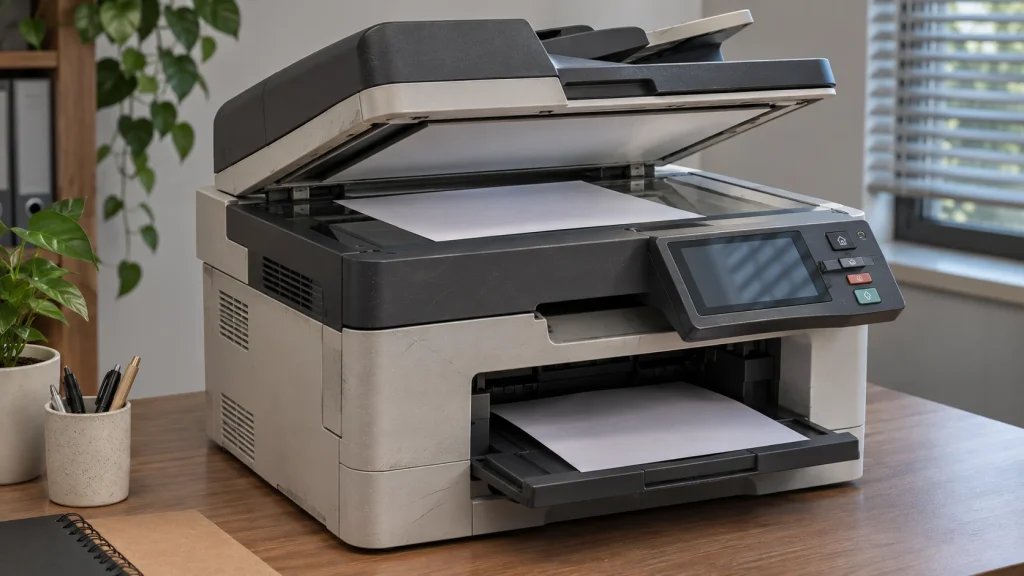
Follow a copied word from digital capture to an invisible charge pattern, visible toner, transfer and heat fixing—and see how copiers differ from scanners.
How Do Electric Guitar Pickups Work?
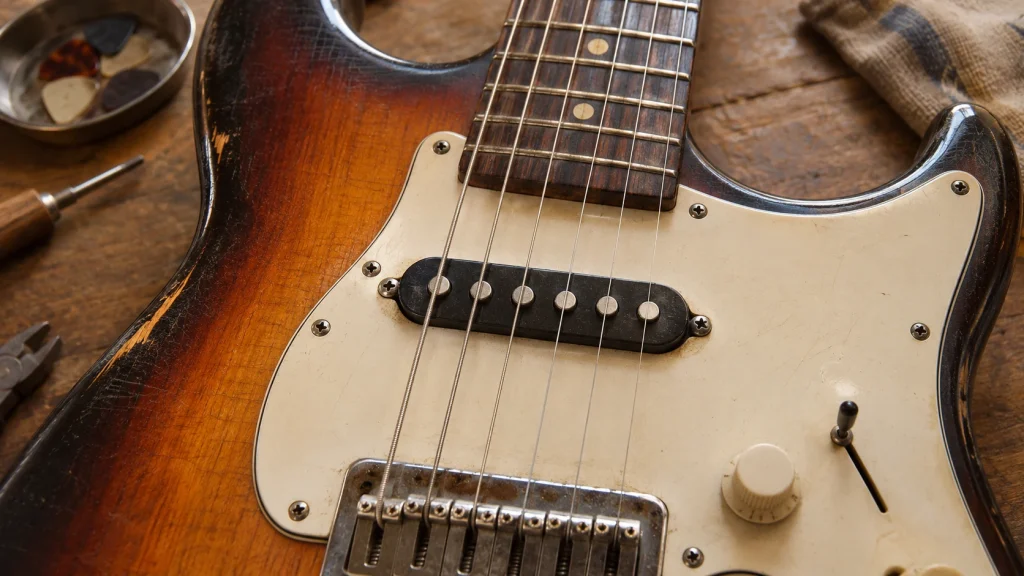
A conventional electric-guitar pickup uses magnets and a coil of fine wire to sense a vibrating ferromagnetic string. The string’s movement changes the magnetic flux linked with the coil, inducing a changing voltage. That small signal travels to an amplifier, which uses its own power supply to drive a loudspeaker.
Why Does Coffee Leave a Ring When It Dries?

A small coffee spill reveals how evaporation, pinned edges and moving particles create a stain—and why paper, particle shape and surface flows change the result.
Why Does Stainless Steel Resist Rust?
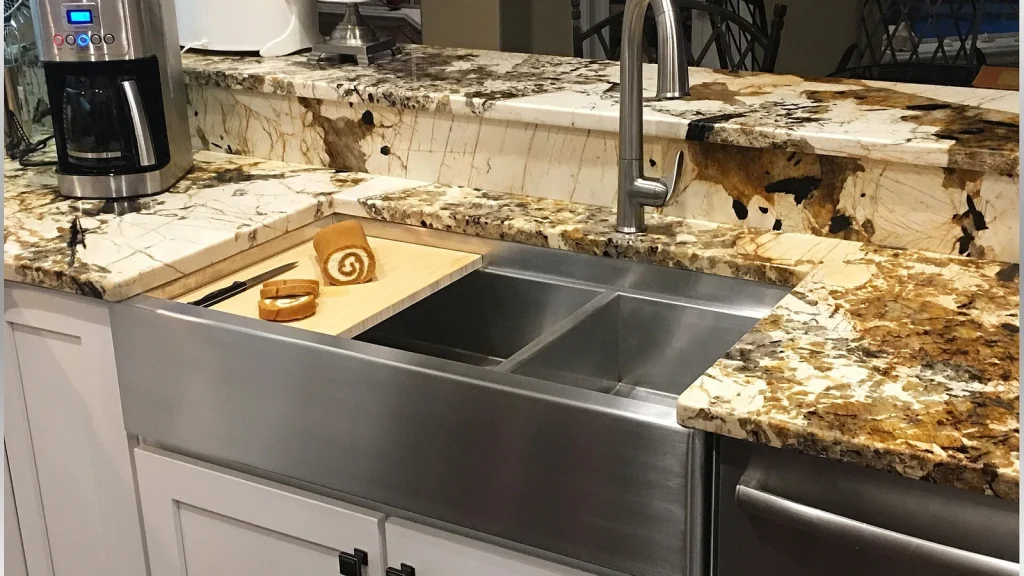
Stainless steel resists rust because it contains enough chromium to form a thin, tightly adherent chromium-rich oxide film at the surface. This passive layer slows the movement of oxygen, water and metal ions that sustain ordinary iron corrosion. If scratched in the presence of oxygen, the film can reform. Stainless does not mean corrosion-proof: chlorides, acids, heat, contamination, crevices and unsuitable alloy grades can locally defeat passivity and cause staining, pitting or cracking.
Why Does Wet Pavement Look Darker?
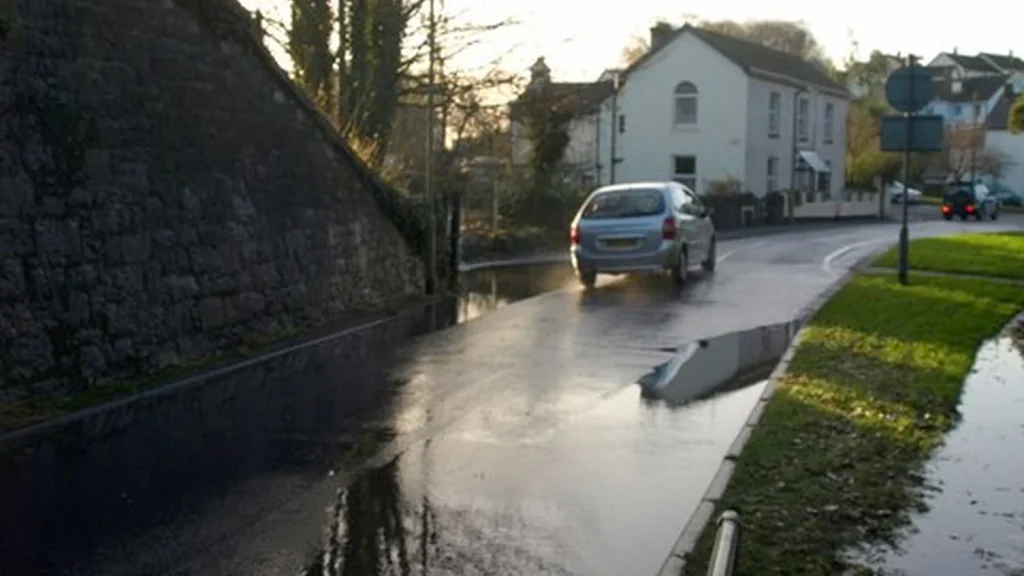
Dry pavement looks relatively bright because microscopic mineral and binder surfaces scatter incident light in many directions, including toward an observer. Water fills air gaps and reduces the refractive-index contrast at those internal boundaries, so less light is scattered straight back out. More light travels deeper, where dark material absorbs it, and some returning light becomes trapped by internal reflection at the water-air surface. The roadway therefore looks darker from many viewing angles while producing bright mirror-like glare in the specular direction.
How Do Zippers Work?
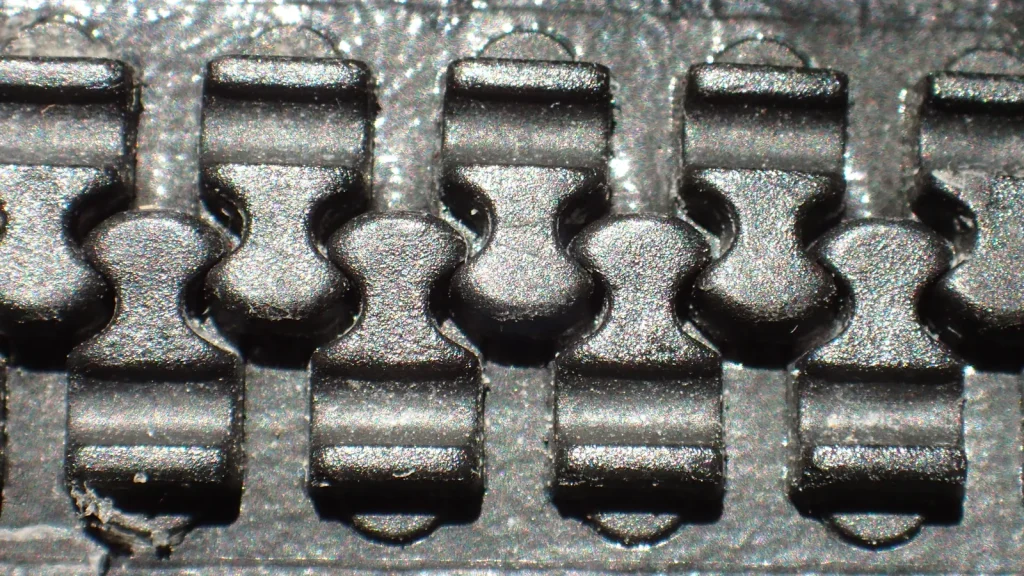
A zipper closes when its slider guides two flexible rows of teeth or coils into a narrowing Y-shaped channel. The slider bends and positions matching elements so a projection on one side enters a recess on the other. Once interlocked, the teeth resist pulling apart sideways, while the fabric tapes carry the load. Moving the slider in reverse separates the rows by forcing them along diverging channels. Stops prevent the slider leaving the chain, and some sliders use a locking pin to resist unintended movement.
Why Do Bananas Turn Brown?

Bananas brown through related ripening and damage processes. Ethylene gas activates genes that soften cell walls, convert starch to sugar and change peel pigments from green chlorophyll to yellow. As cells age, bruise or become chilled, membranes lose integrity and previously separated enzymes meet phenolic compounds. In the presence of oxygen, polyphenol oxidase helps form reactive quinones that join into dark pigments. Brown freckles can accompany normal ripening, while broad black areas may reflect bruising, chilling injury or advanced decay.
How Do Thermometers Measure Temperature?
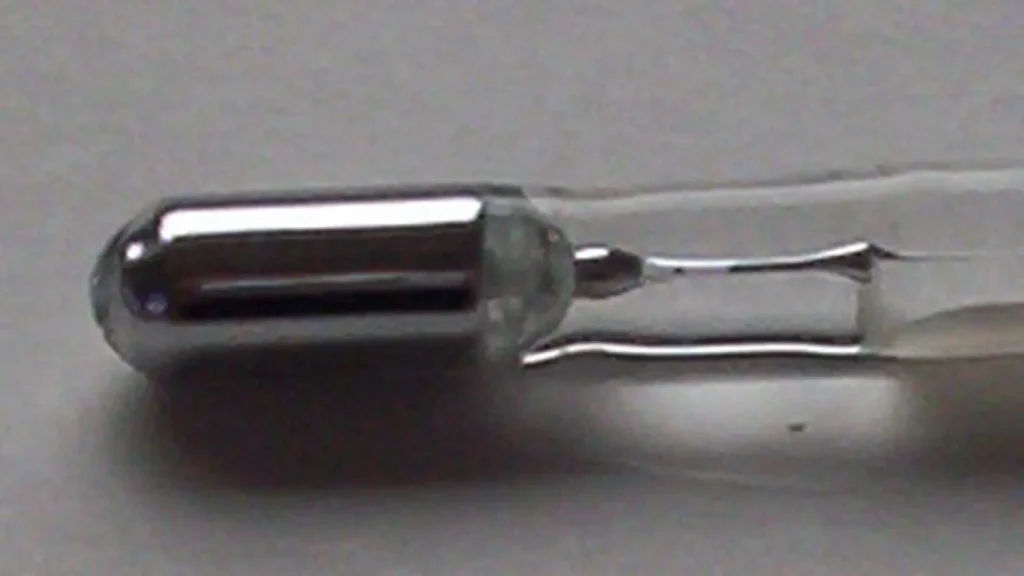
A thermometer measures a property that changes predictably with temperature, such as liquid volume, electrical resistance, voltage or infrared radiation. Calibration connects that property to an agreed scale. Contact thermometers approach thermal equilibrium with the object; infrared instruments infer surface temperature from emitted radiation.
Why Do CDs and DVDs Show Rainbow Colours?
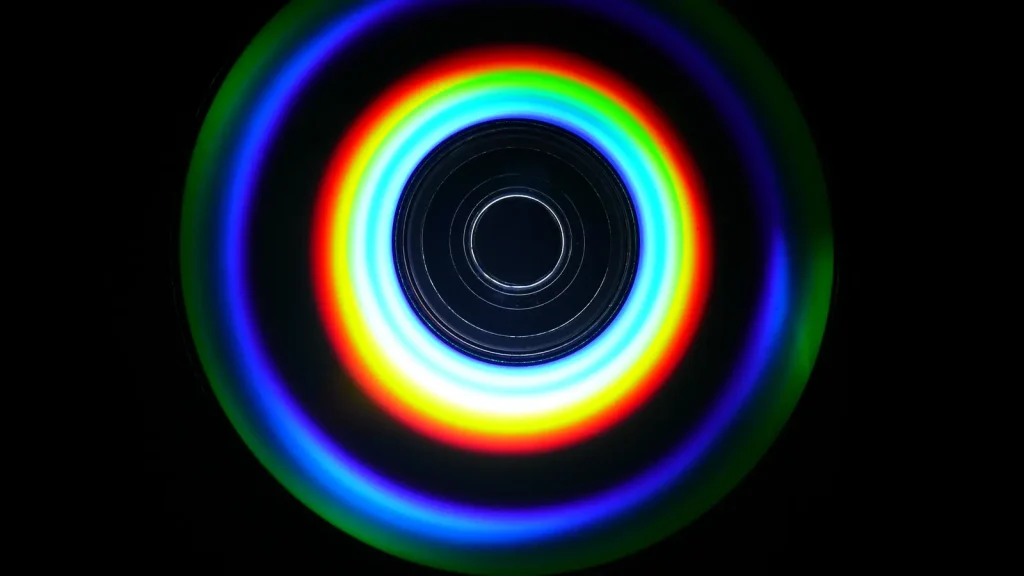
A CD or DVD shows rainbows because its tightly spaced spiral track acts like a reflection diffraction grating. Light from neighbouring tracks travels slightly different distances. Waves of a particular wavelength reinforce at some angles and cancel at others. Because visible wavelengths differ, red, green and blue leave in different directions.
How Do Traffic Lights Detect Cars?
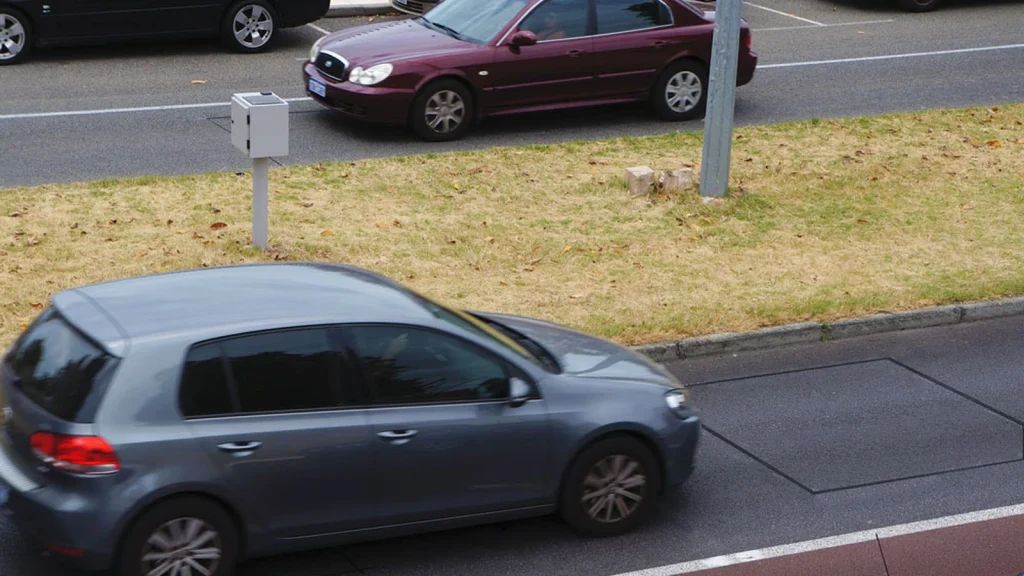
Many traffic signals detect vehicles with inductive loops: wire coils buried in the pavement whose electrical inductance changes when a large conductive vehicle enters their magnetic field. Other junctions use video cameras, microwave radar, magnetometers or thermal sensors. A signal controller combines detector calls with programmed minimum greens, yellow and all-red intervals, pedestrian requests, coordination plans and conflict-prevention logic. Detection does not command an instant green; it provides evidence that the controller uses within a safe sequence.