
How Do Wind Turbines Generate Electricity?
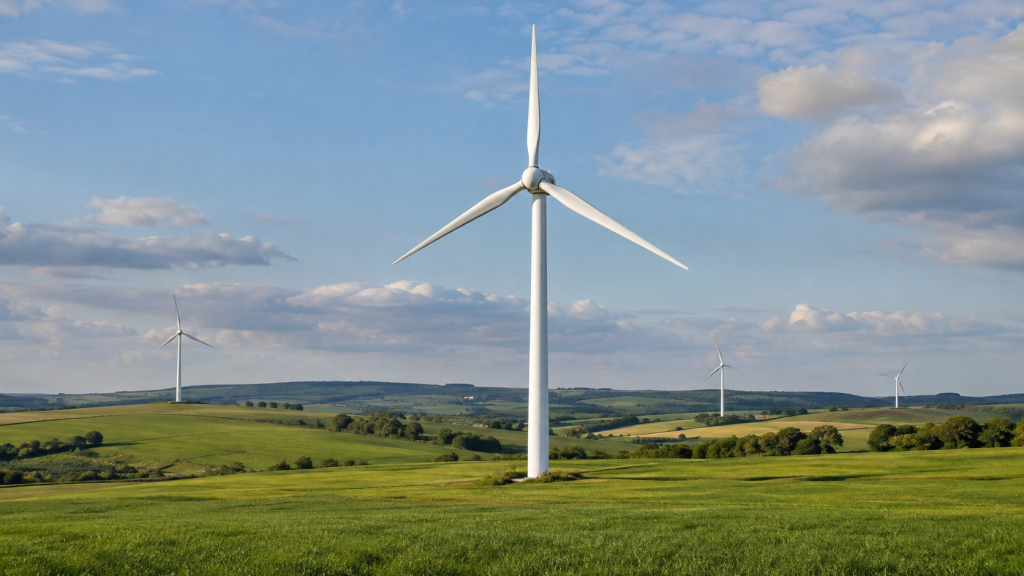
Wind turbines use aerodynamic forces on their blades to turn a rotor. The rotating drivetrain transfers mechanical power to a generator, which converts it into electrical power. Some designs use a gearbox and others connect the rotor directly to a suitable generator. Controls, electrical equipment and the local wind conditions determine how the complete system operates.
How Do Sundials Tell Time?
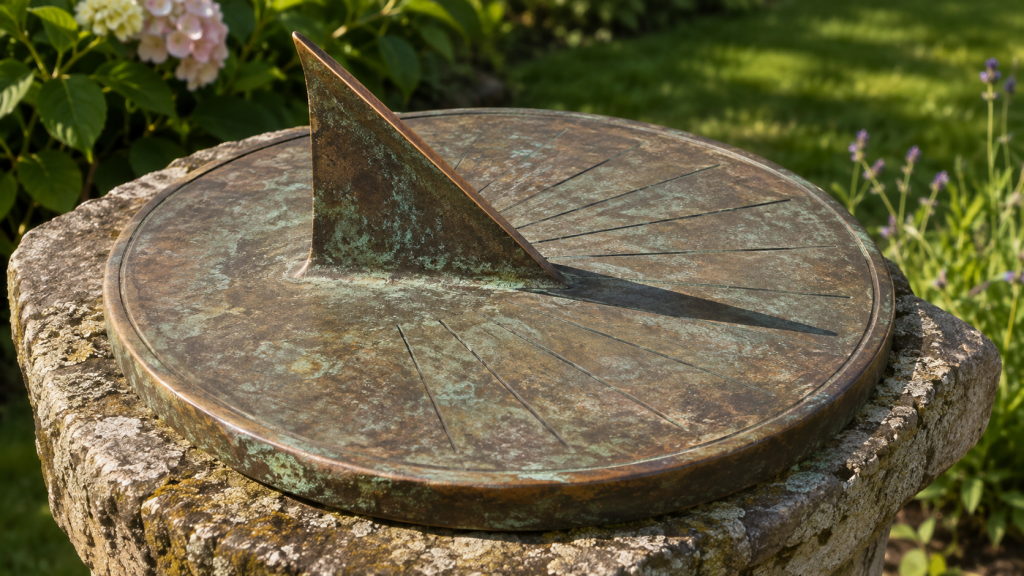
A sundial uses the Sun’s apparent motion to cast a changing shadow across a marked surface. Its shadow-casting part, the gnomon, and the hour lines are arranged for a particular geometry and location. An ordinary sundial reads local apparent solar time, which can differ from civil clock time because of longitude, seasonal solar timing and daylight-saving adjustments.
How Do Bicycle Gears Work?
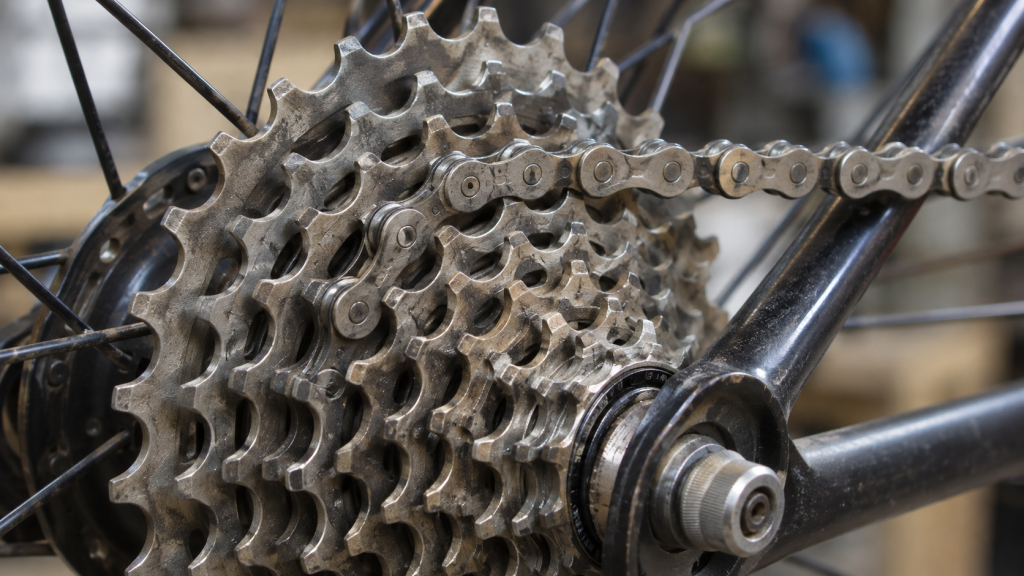
Bicycle gears change the relationship between pedal turns and wheel turns. On a conventional derailleur drivetrain, a chain links a front chainring to a selected rear sprocket. A smaller front ring or larger rear sprocket lowers the ratio, making the wheel turn fewer times per pedal revolution while increasing mechanical advantage. The derailleur selects the sprocket and manages chain slack.
How Do Electric Motors Turn Electricity into Motion?
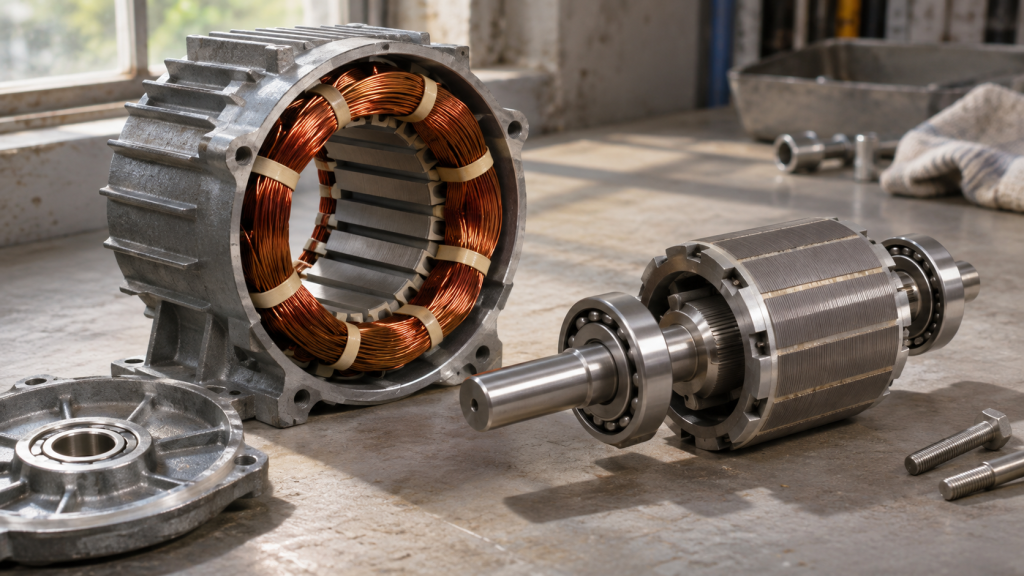
An electric motor converts electrical energy into mechanical motion through magnetic interactions. In a rotating motor, forces produce torque on a rotor. The machine keeps that torque useful by changing the magnetic relationship as it turns, using mechanical commutation, electronic switching or an alternating magnetic field, depending on the motor type.
Why Does Fog Form?
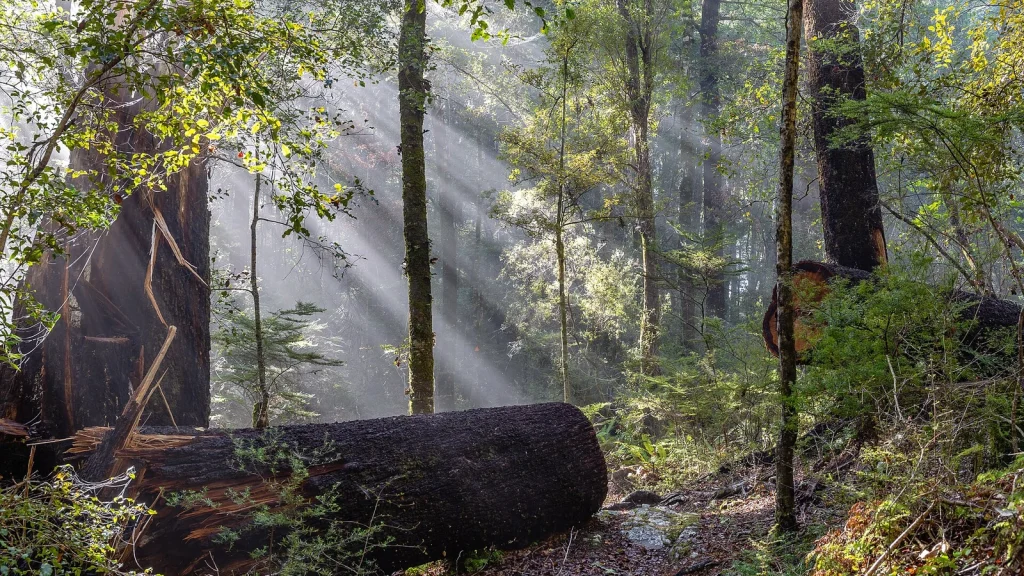
Fog forms when air near the ground becomes saturated and water vapour condenses onto microscopic particles into tiny liquid droplets or, in severe cold, ice crystals. Saturation can occur because air cools to its dew point, moisture is added or air masses mix. Radiation fog, advection fog, upslope fog, evaporation fog and valley fog reach that state through different pathways. Wind, terrain, aerosols and sunlight determine how thick the fog becomes and how long it lasts.
How Do Escalators Work?

An escalator circulates linked steps through shaped tracks that form stairs on the incline and flatten them at the landings. Its drive, handrail, brakes and protective devices work together; fitted safety features vary with design and age.
How Does a Microwave Oven Door Keep Radiation Inside?
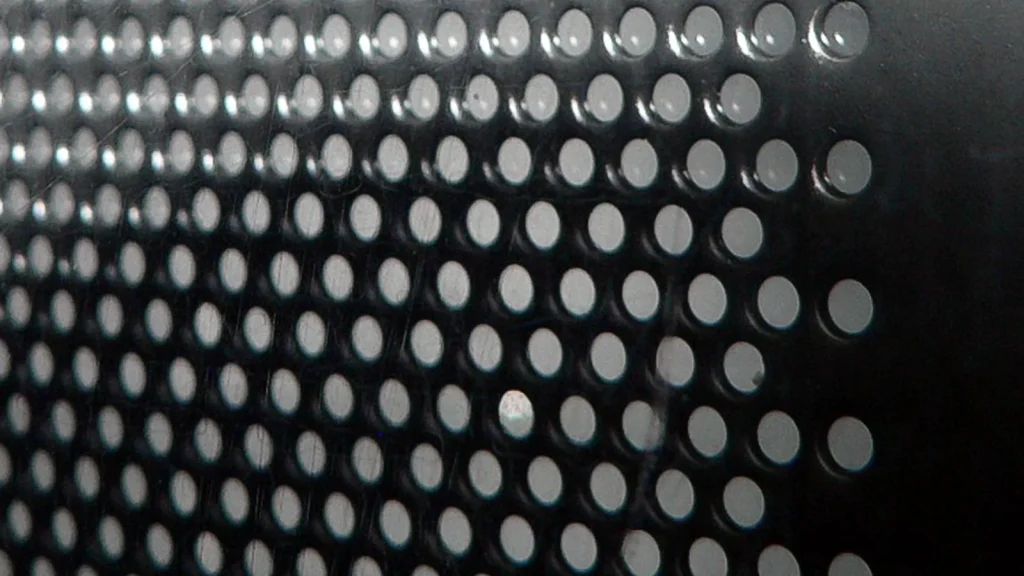
Metal mesh lets visible light through while strongly limiting microwave transmission. Door-edge geometry controls another possible escape path, and safety interlocks stop microwave generation as the door is opened.
How Do Fire Sprinklers Know When to Turn On?

Conventional automatic sprinkler heads respond to local heat. In a wet-pipe system, a thermal element releases a closed waterway and a deflector distributes the spray. Dry-pipe, preaction and deluge arrangements have different supply or control features.
Why Do Paper Cuts Hurt So Much?

Paper cuts hurt because a narrow edge injures sensitive, frequently moving skin. Pain-sensing pathways, inflammation and repeated disturbance can all contribute. The explanation is not simply that fingertips have the greatest density of pain nerves.
Why Do Boomerangs Come Back?

A returning boomerang combines wing-like arms, rotation and changing orientation. Follow the forces that bend its flight, and distinguish returning designs from other boomerangs.