
How Can Dogs Smell So Well?
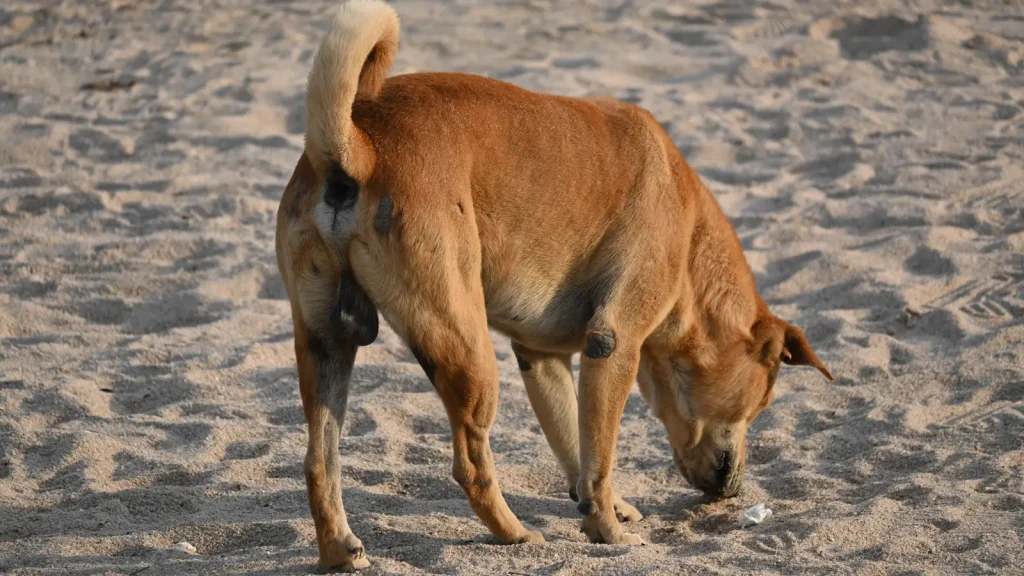
Dogs smell so well because their noses capture and analyze odour molecules with remarkable efficiency. Sniffing directs pulses of air into a large folded olfactory region containing many receptor neurons. Separate airflow helps retain samples while fresh odour arrives. The brain’s olfactory structures interpret combinations of receptor activity, allowing dogs to detect faint scents, separate mixtures and follow how an odour changes across space and time.
Why Do We Hear Echoes?

We hear an echo when sound waves travel to a surface, reflect and return after a noticeable delay. Because sound moves through air at roughly 343 metres per second near room temperature, a reflecting surface must usually be far enough away for the round trip to create a distinct repetition. Closer reflections blend with the original sound and become reverberation instead. Surface size, shape and material determine how much sound returns.
Why Are Bubbles Round?
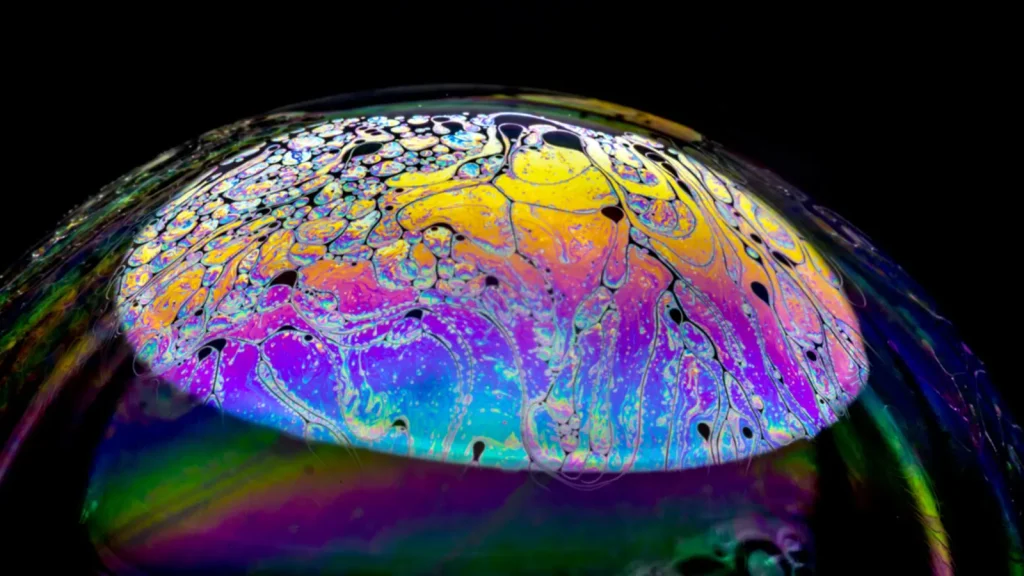
A free bubble becomes round because surface tension tries to minimize the area of its thin liquid film. For a given enclosed volume, a sphere has less surface area than any other shape. The film therefore contracts until pressure from the trapped gas balances the inward surface-tension force. Gravity, airflow, contact with surfaces and neighbouring bubbles can distort the sphere.
How Does Velcro Work?
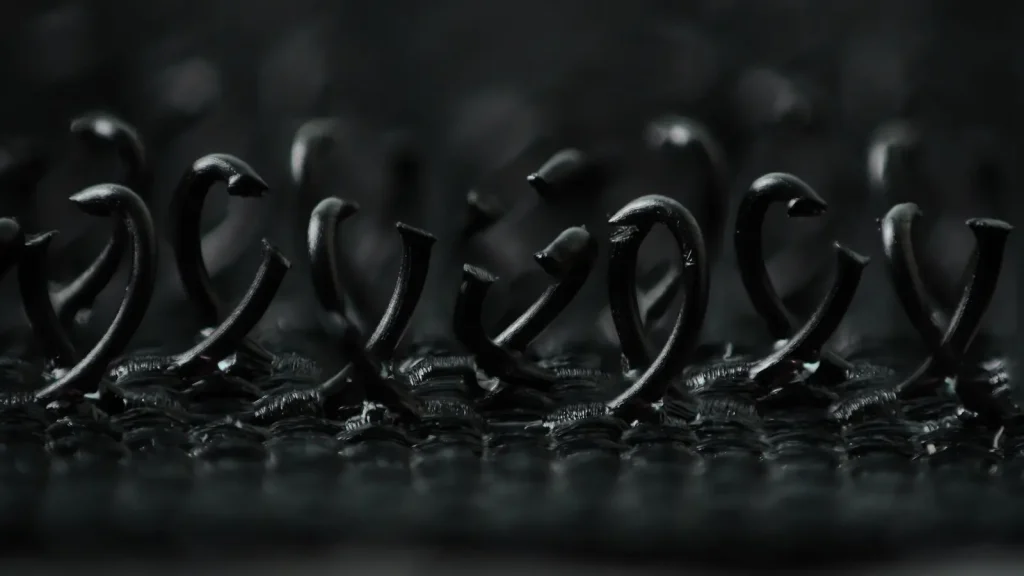
Hook-and-loop fasteners work through two textile surfaces. One carries many tiny stiff hooks; the other carries soft loops. Pressing them together lets hooks enter and catch loops at many points. Pulling parallel to the surfaces loads many engagements, creating a strong shear connection. Peeling from an edge releases hooks sequentially, so the fastening opens with much less force.
Why Do Cut Apples Turn Brown?
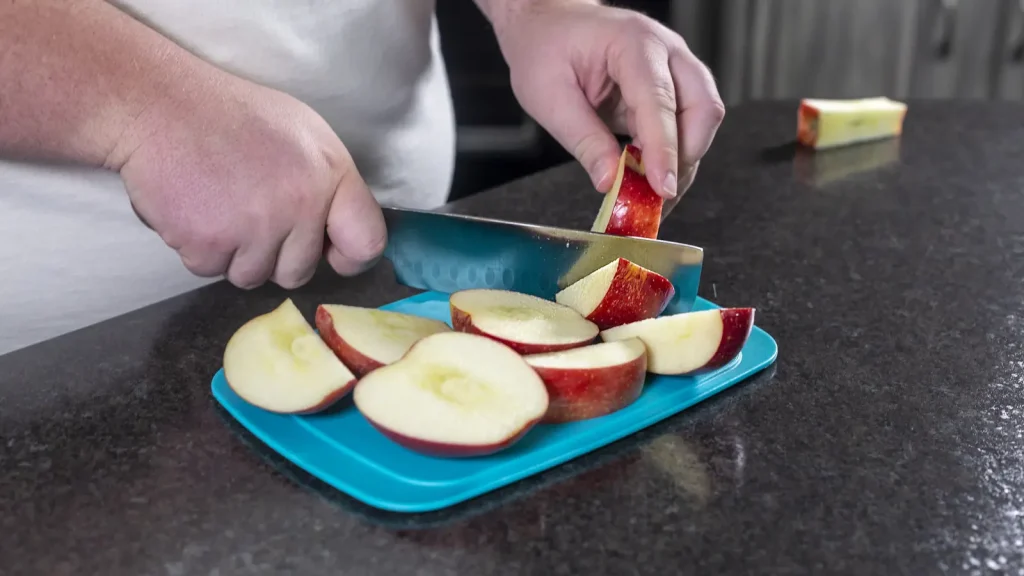
Cut apples turn brown because tissue damage breaks cellular compartments. Oxygen from the air reaches polyphenol oxidase enzymes and phenolic compounds, allowing the enzymes to create reactive quinones. Those molecules then combine through several reactions into brown pigments. Acidity, low temperature, limited oxygen and antioxidants can slow the process, which is why lemon juice or refrigeration helps.
How Do Glow Sticks Produce Light?
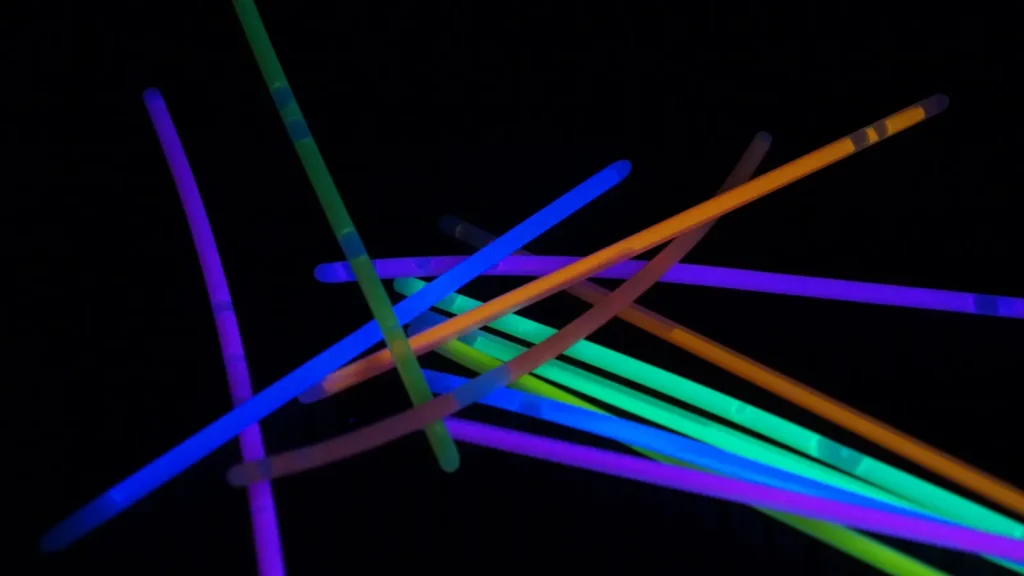
Glow sticks produce light through chemiluminescence. Bending the plastic tube breaks a small inner glass vial and mixes hydrogen peroxide with an oxalate ester solution containing a fluorescent dye. The reaction creates a high-energy intermediate that transfers energy to the dye. Excited dye molecules then return to a lower-energy state and emit photons. The dye determines the colour, while temperature controls reaction speed and brightness.
Why Do Mirrors Seem to Reverse Left and Right?
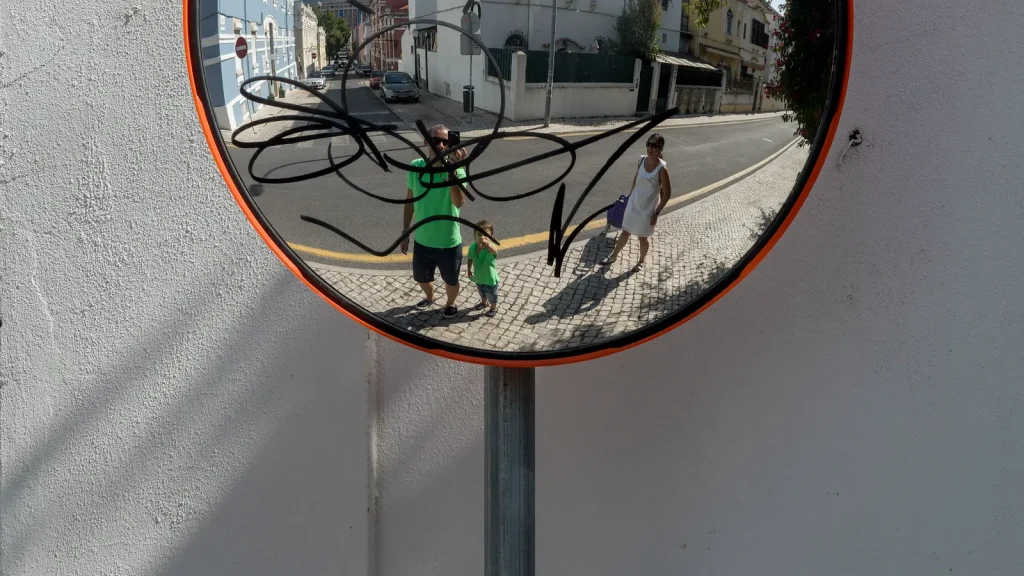
Mirrors do not physically swap left and right. A flat mirror reverses front and back: light that travelled toward the mirror returns from it, creating a virtual image behind the glass. We interpret the result as left-right reversal because we mentally compare the reflection with a person turned around to face us. Writing looks backward for the same geometric reason, while top and bottom remain where they are.
How Do Noise-Cancelling Headphones Work?
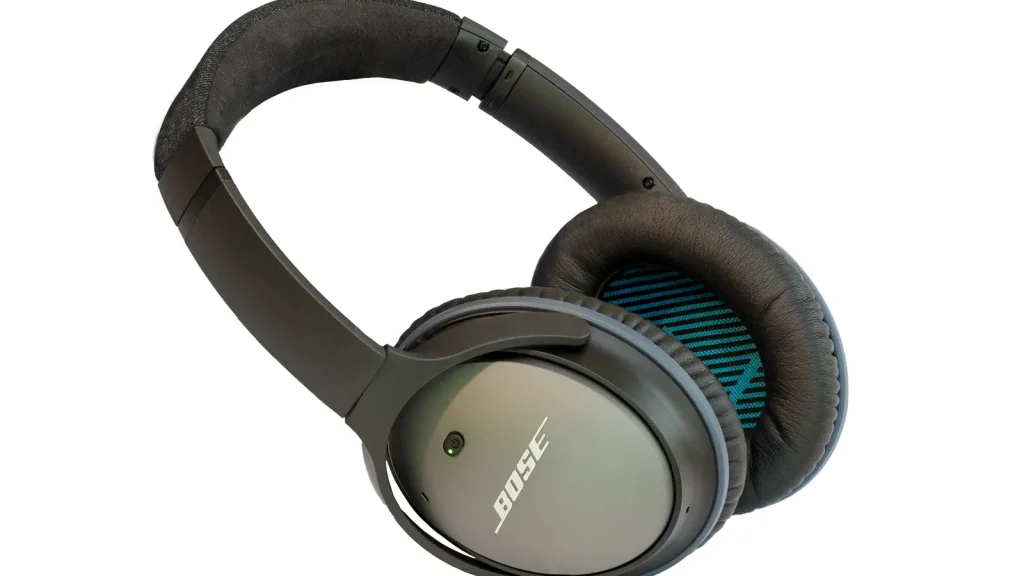
Active noise-cancelling headphones use microphones to measure surrounding sound, electronics to estimate the sound arriving at the ear and speakers to generate a matching waveform with opposite pressure changes. When noise and anti-noise overlap, destructive interference reduces the remaining sound. Passive seals still block sound physically, and active systems work best on steady low-frequency noise such as engines or ventilation.
Why Does Static Electricity Make Hair Stand Up?
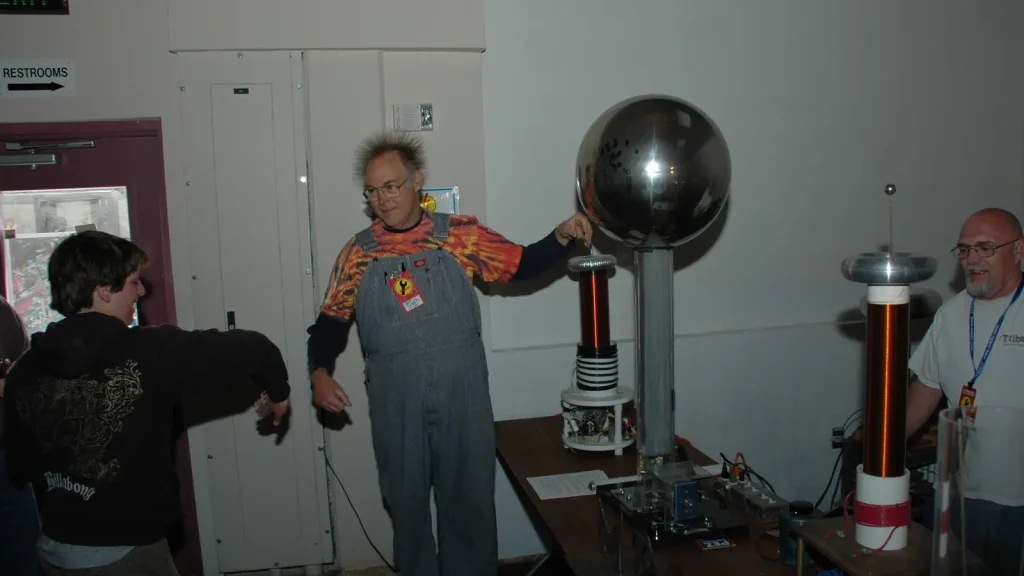
Static electricity makes hair stand up when electrons move between materials and leave many hairs with the same net charge. Like charges repel, so neighbouring strands push apart. Each hair also responds to the surrounding electric field and may be attracted toward an oppositely charged object. Dry air lets charge remain longer, while humid air helps it leak away across slightly conductive surfaces.
Why Does Ice Float on Water?
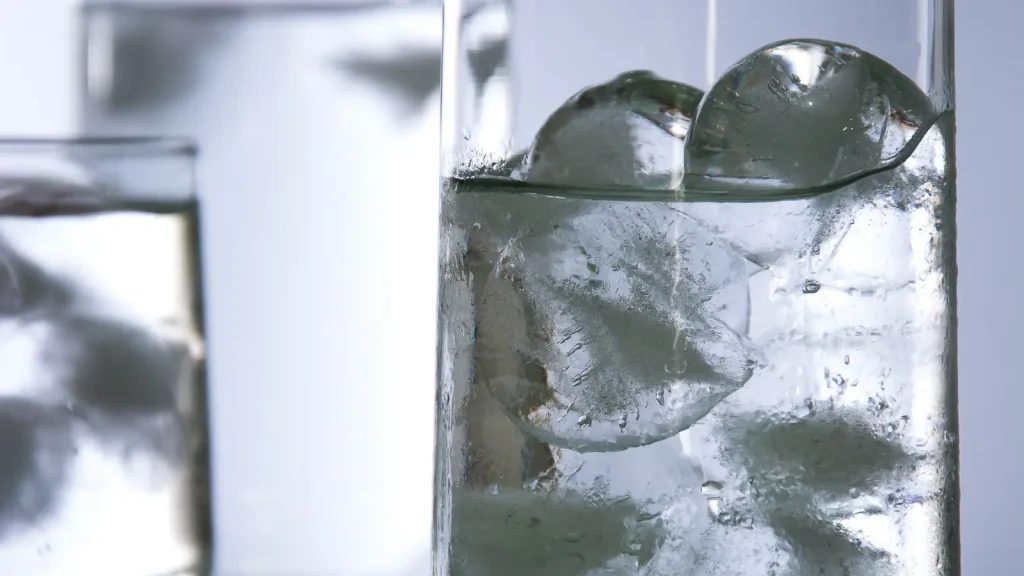
Ice floats because ordinary solid water is less dense than liquid water. As water freezes under everyday pressure, hydrogen bonds organize molecules into an open hexagonal crystal network. The same number of molecules therefore occupies more volume than in the liquid. A floating piece sinks only until it displaces water equal to its own weight, leaving roughly one-tenth of freshwater ice above the surface.