
Why Does Bread Rise?
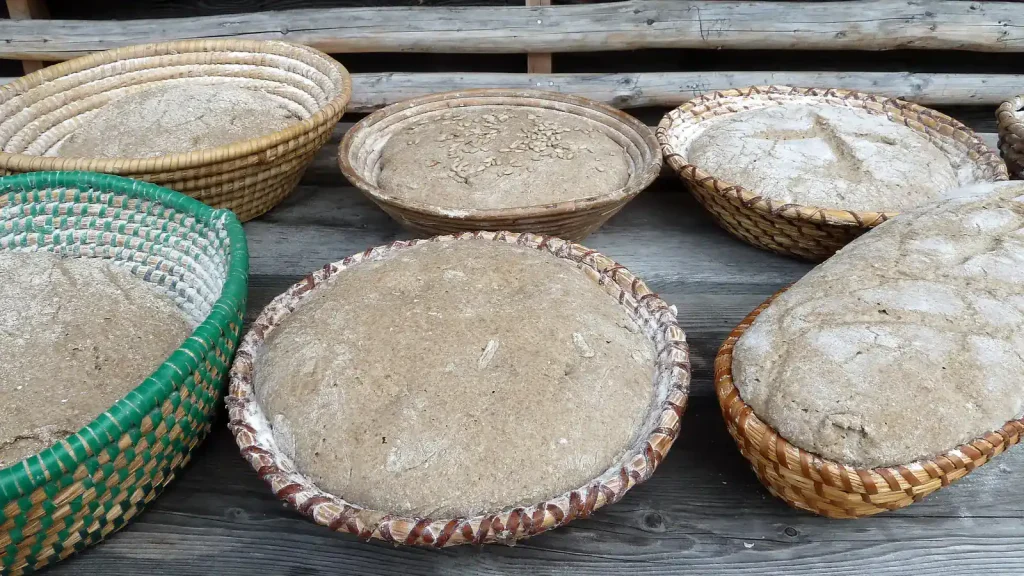
Bread rises because baker’s yeast metabolizes available sugars and releases carbon dioxide. Gas accumulates in tiny bubbles that expand inside the dough. Hydrated flour proteins form a viscoelastic gluten network that stretches around those bubbles instead of letting them escape immediately. During baking, gas and water vapour expand, yeast becomes inactive, starch gelatinizes and proteins set, preserving the loaf’s porous structure.
How Do Ants Find Food?
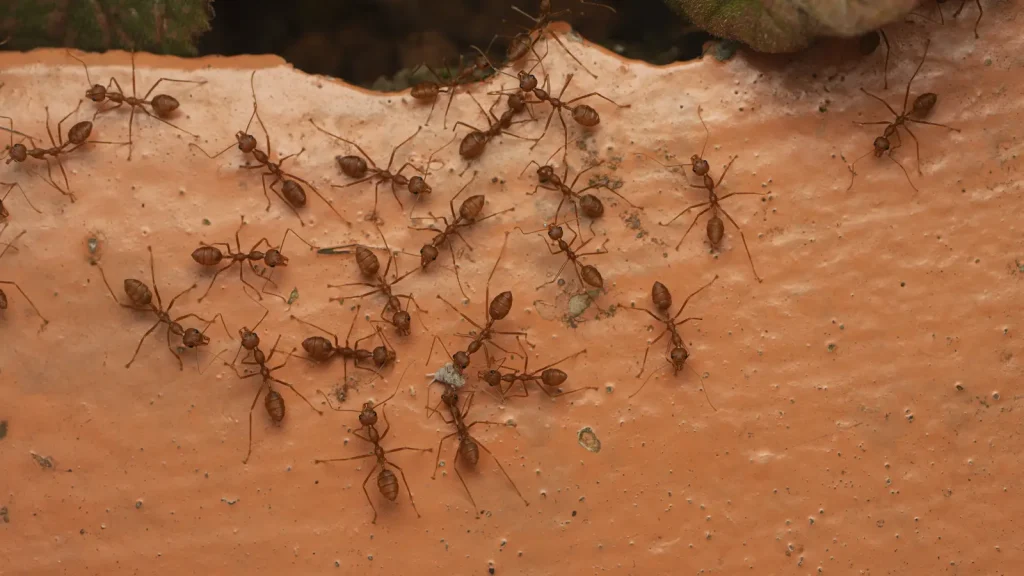
Ants find food through a combination of individual searching and colony communication. A scout explores using smell, touch, vision, path integration and local memory. After finding a useful resource, many species deposit trail pheromones while returning to the nest. Other workers detect the chemical with their antennae and reinforce a successful route. Because pheromones evaporate, an unrewarding path fades while busy routes can become stronger.
Why Does Salt Melt Ice?
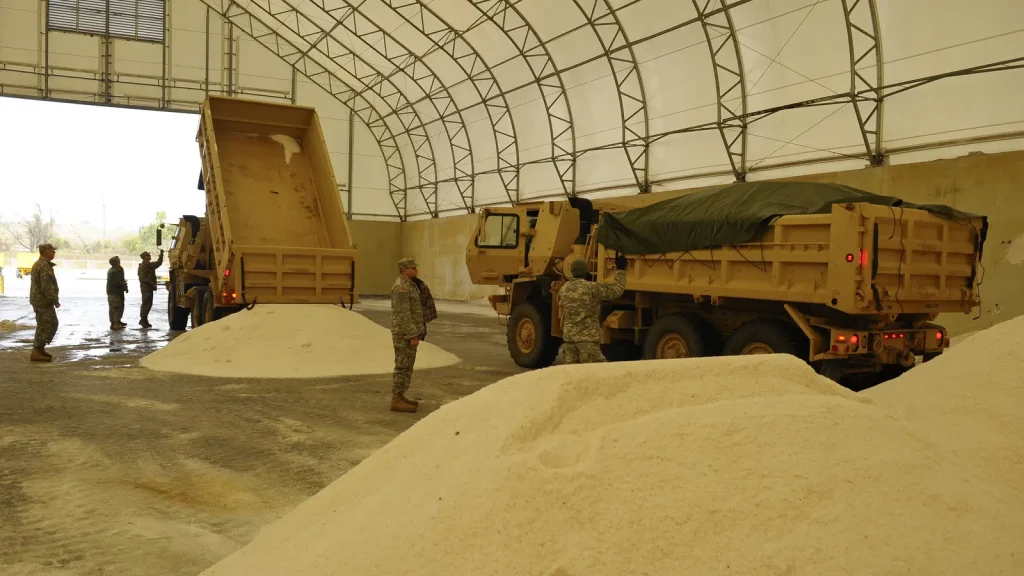
Salt melts ice by dissolving in the thin layer of liquid water that naturally exists on an ice surface. Sodium and chloride ions make it harder for water molecules to organize into a crystal, lowering the solution’s freezing point. If the surrounding temperature is above the brine’s new freezing point, more ice melts until temperature and salt concentration reach equilibrium. At very low temperatures, ordinary road salt becomes much less effective.
How Do Beavers Build Dams?
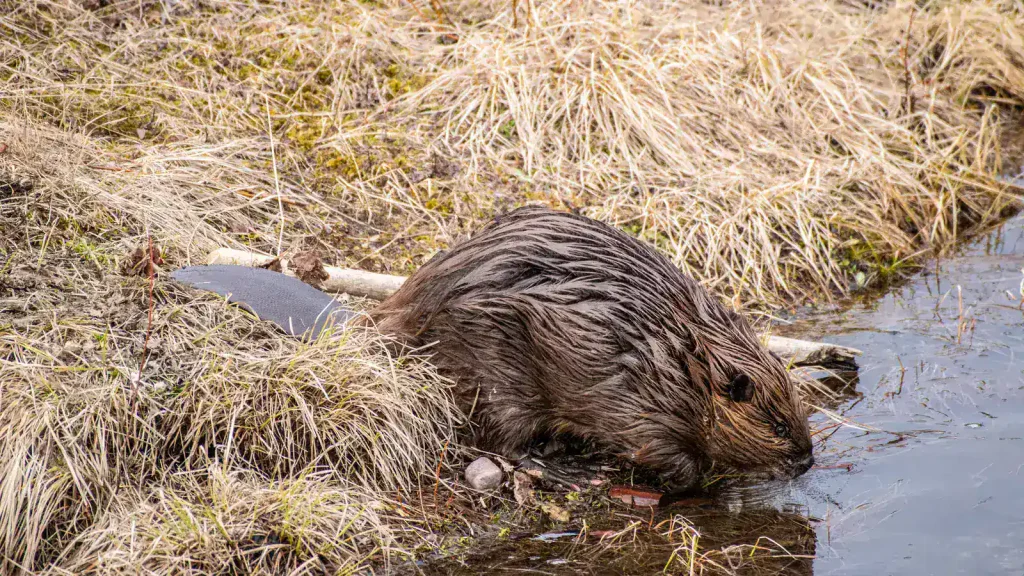
Beavers build dams by cutting and transporting woody material, anchoring branches across moving water and packing gaps with mud, plants and stones. The sound and feel of flowing water help trigger repair behaviour. A dam slows a stream and raises the upstream water level, creating a pond that gives beavers safer access to food and to an underwater lodge entrance. Dams are continually maintained rather than built once from a fixed blueprint.
Why Is Glass Transparent?

Ordinary clear glass is transparent to visible light because its electrons do not have readily available energy transitions that match most visible photons. Much of the light therefore travels through instead of being absorbed. The disordered atomic structure avoids the large grains and boundaries that can scatter light in some materials, although surfaces still reflect a small fraction and impurities, colourants or damage can reduce transmission.
How Do Migrating Birds Find Their Way?
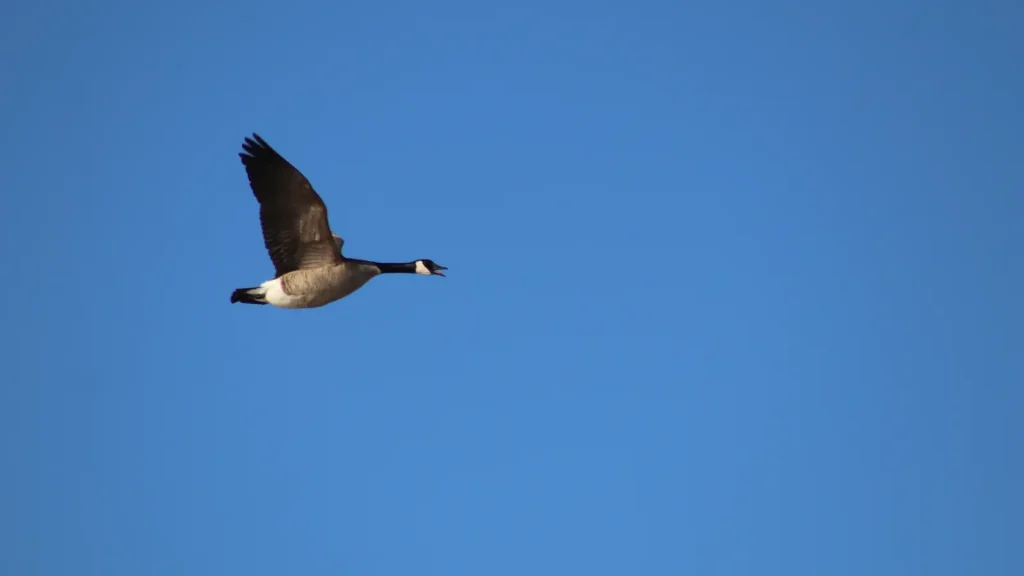
Migrating birds navigate with a flexible toolkit. Depending on species, age and conditions, they can use the Sun, stars, Earth’s magnetic field, polarized light, landmarks, smells and social information. An inherited programme can supply young birds with a direction and timing, while experience builds a more detailed map. The brain compares cues and can switch when clouds, geography or magnetic disturbance make one source unreliable.
Why Does Metal Rust?
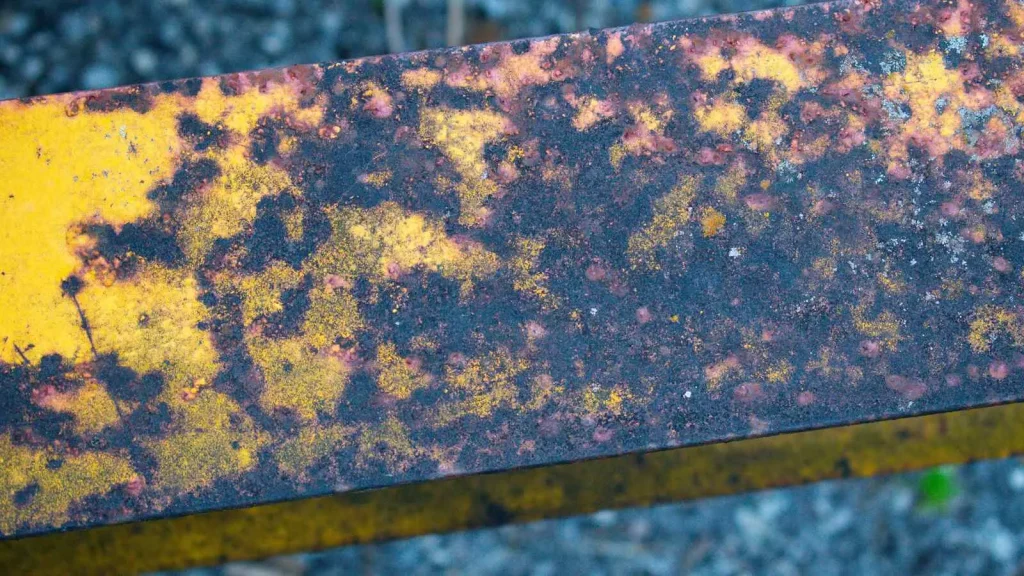
Rust is iron corrosion, driven by reactions on a wet surface. Water, oxygen, salts and protective coatings help explain why some objects deteriorate faster than others.
How Do Owls Fly So Silently?
Owls reduce flight noise through a combination of broad wings, slow wingbeats and specialized feathers. Comb-like serrations on the leading edge, a porous fringe at the trailing edge and a velvety upper surface alter turbulent airflow and damp sound. The result is quieter rather than perfectly silent flight, helping many owls approach prey while preserving their own ability to hear.
Why Do Muscles Feel Sore After Exercise?
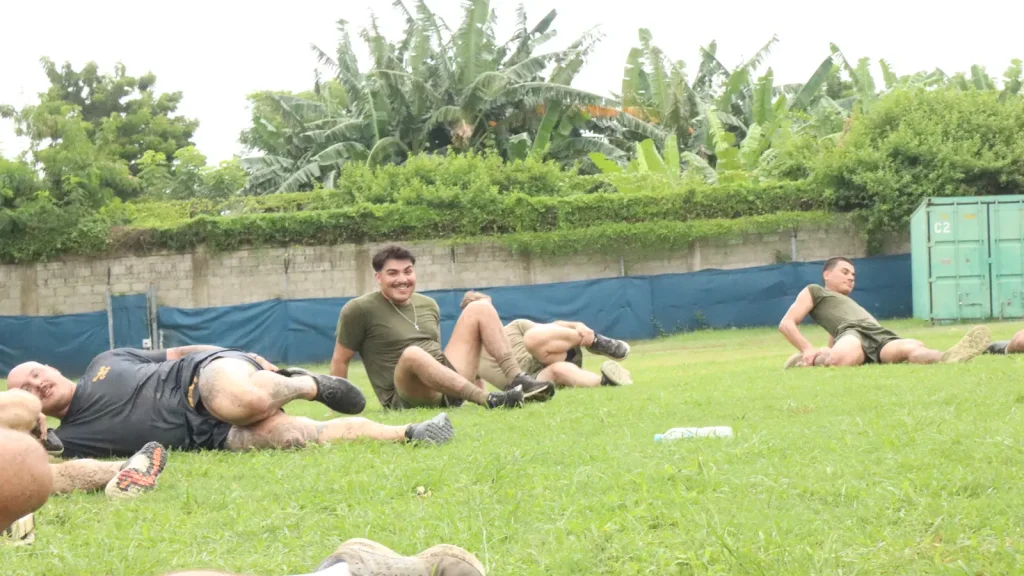
Delayed-onset muscle soreness, or DOMS, commonly begins hours after unfamiliar or unusually intense exercise and peaks roughly one to three days later. Lengthening contractions can disrupt muscle fibres and surrounding connective tissue, triggering inflammation, swelling and sensitized pain receptors. Lactate clears far too quickly to explain soreness that appears the next day.
How Do Sand Dunes Move?
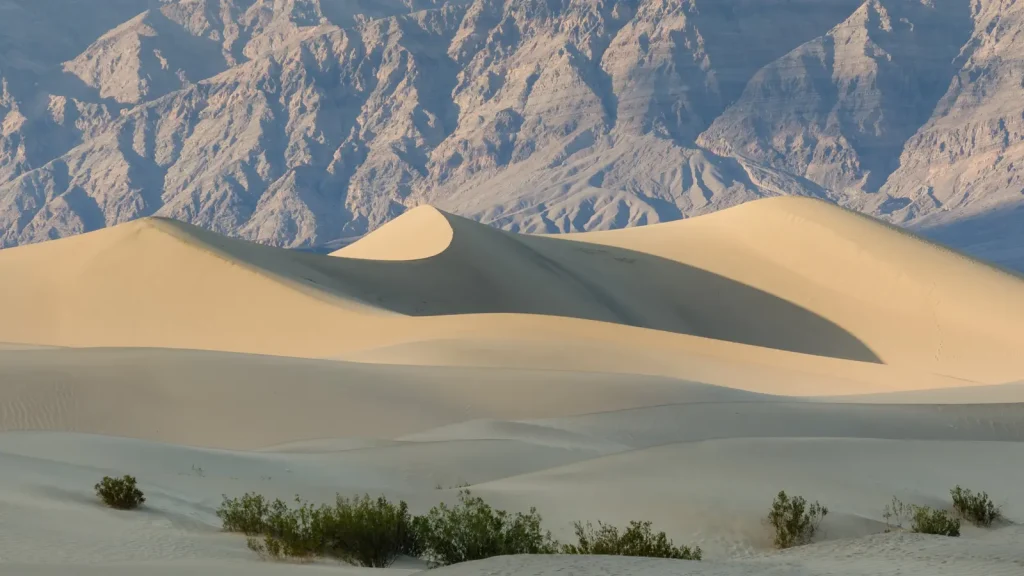
Sand dunes migrate when wind transports grains up their windward slope and deposits them near the crest. Sand then avalanches down the steeper sheltered side. Repeating that cycle shifts the entire landform downwind even though individual grains move only short distances at a time. Speed and shape depend on wind, sand supply, moisture, vegetation and obstacles.