
Why Does Static Electricity Build Up?
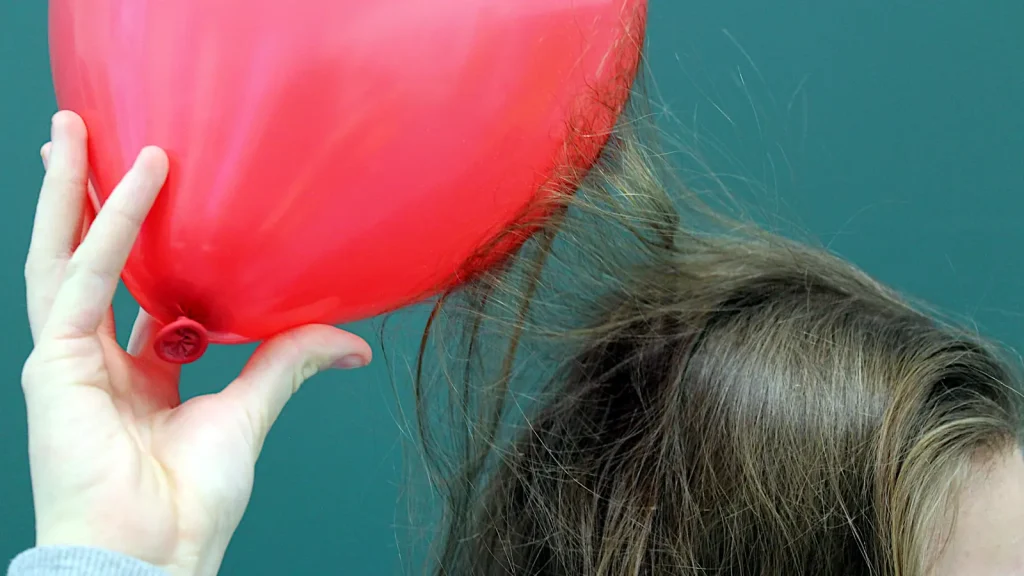
Static electricity builds when electrons are transferred or separated between materials faster than the charge can leak away. Rubbing often increases contact and separation, but friction is not the fundamental source. Dry air and insulating surfaces help charge persist. A sufficiently strong electric field can ionize air, producing a spark that rapidly equalizes the imbalance.
How Do Sharks Sense Electric Fields?
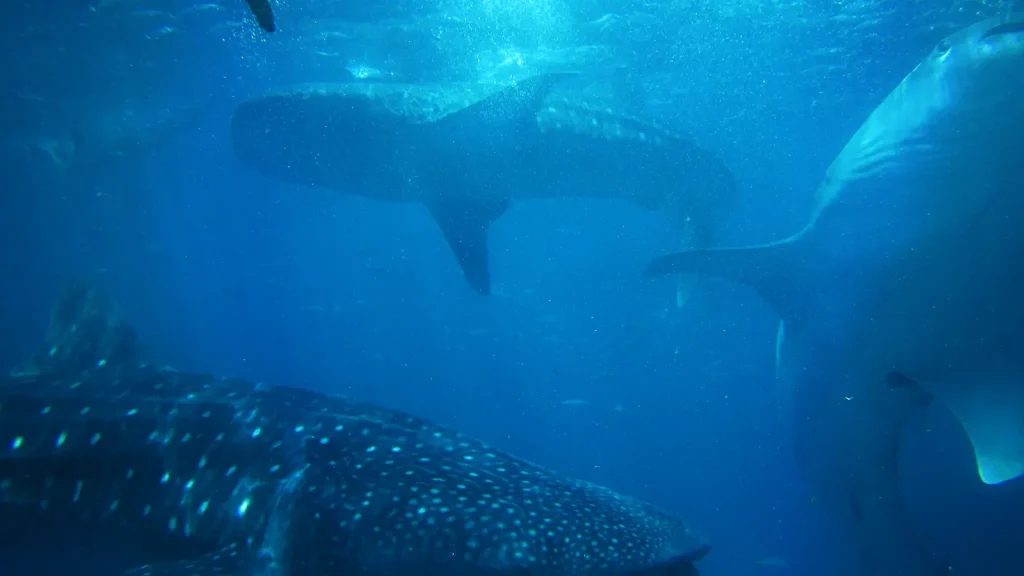
Sharks and rays detect weak electric fields with ampullae of Lorenzini: clusters of sensory cells connected to seawater by gel-filled canals and skin pores, mostly around the head. Voltage differences across the canals alter receptor activity. The sense helps locate hidden prey, orient to environmental fields and guide the final stage of an attack.
Why Do We Get Goosebumps?
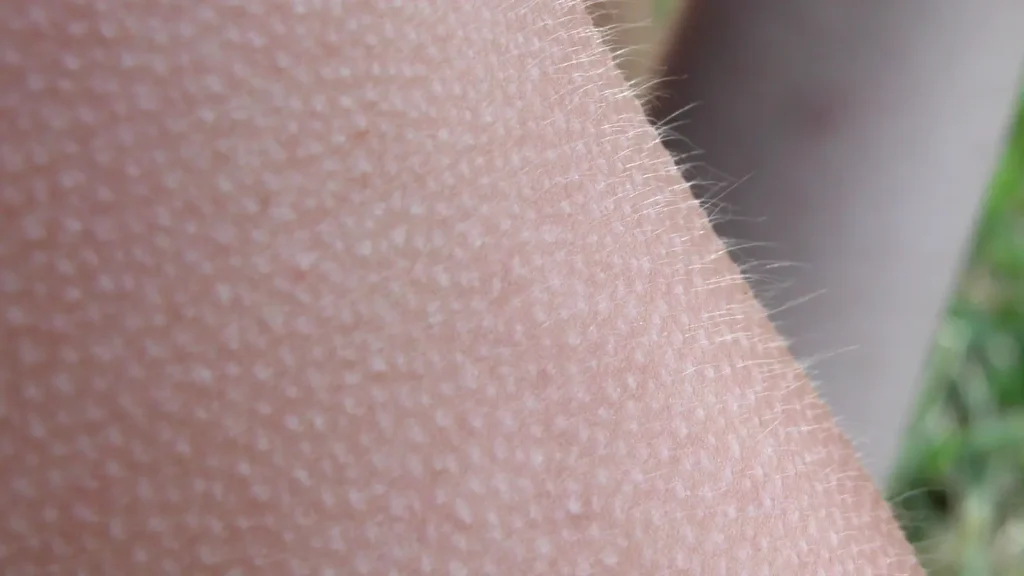
Goosebumps occur when sympathetic nerves trigger tiny arrector pili muscles attached to hair follicles. The contraction raises each hair and dimples the surrounding skin. In furred mammals, piloerection traps insulating air and makes the animal appear larger. Human body hair is sparse, so the visible bumps are largely a retained reflex with smaller practical effects.
How Do Clouds Stay in the Sky?

Cloud droplets and ice crystals are heavier than air, so gravity does pull them downward. They remain aloft because individual particles are tiny and have very low terminal speeds, while rising air and turbulence continually counter their settling. A cloud is also constantly forming and evaporating rather than behaving like one permanent floating object.
How Batteries Work: Chemical Reactions, Voltage and Capacity
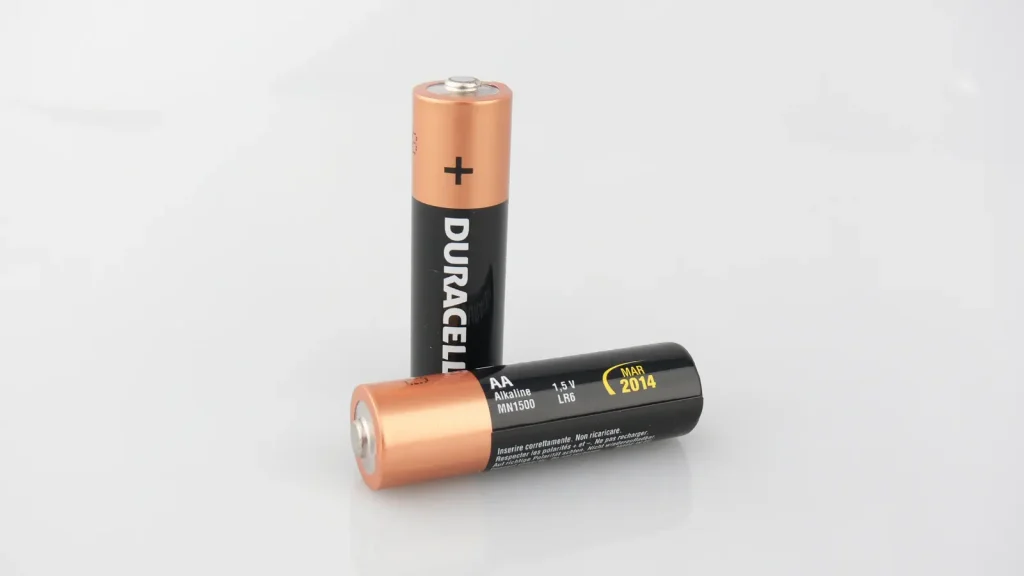
How electrodes and electrolytes turn chemical reactions into voltage and current, and why capacity, power and rechargeability differ.
How Do Mushrooms Reproduce?

A mushroom is usually the spore-producing fruit body of a much larger fungus. Specialized cells on gills, pores or other surfaces make microscopic spores, which are released into air, water or onto animals. A spore that reaches suitable conditions can germinate into hyphae. Compatible hyphae may fuse, forming a mycelium capable of producing new mushrooms.
Why Do We Feel Dizzy After Spinning?

Spinning moves fluid inside the semicircular canals of the inner ear. That fluid bends sensory structures that signal head rotation. When you stop suddenly, inertia keeps the fluid moving for a short time, so the vestibular system reports rotation even though your eyes and body say you are still. The mismatch produces vertigo, unstable posture and involuntary eye movements.
How Does Soap Remove Grease?
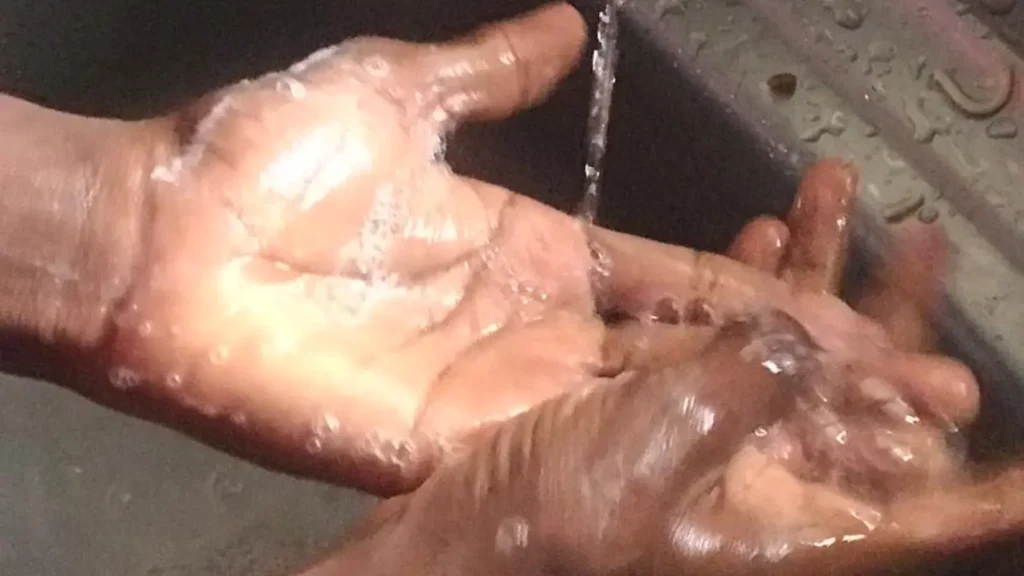
Soap removes grease because each surfactant molecule has a water-attracting head and an oil-attracting tail. The tails associate with grease while the heads remain in water. Agitation breaks oily material into small droplets surrounded by surfactant, forming structures that stay dispersed long enough to be rinsed away.
Why Do Some Animals Hibernate?
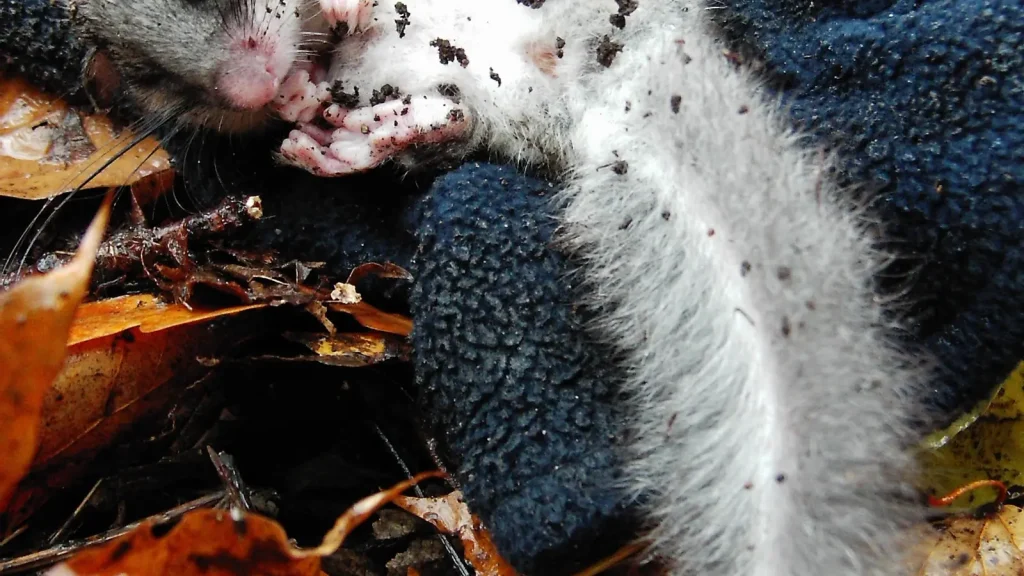
Animals hibernate to conserve energy during predictable cold or food scarcity. Hormonal and nervous-system changes lower metabolism, and many small hibernators allow body temperature, heart rate and breathing to fall dramatically. Stored fat supplies fuel. Hibernation is diverse: bears remain comparatively warm, while ground squirrels and dormice enter deeper torpor.
How Does Popcorn Pop?

A popcorn kernel contains water and dense starch sealed inside a hard hull. Heating turns the water into pressurized vapour and softens the starch. When pressure exceeds the hull’s strength, the shell ruptures, pressure falls suddenly and the hot starch expands into a foam that cools into the familiar white flake.