
Why Do We Sneeze?
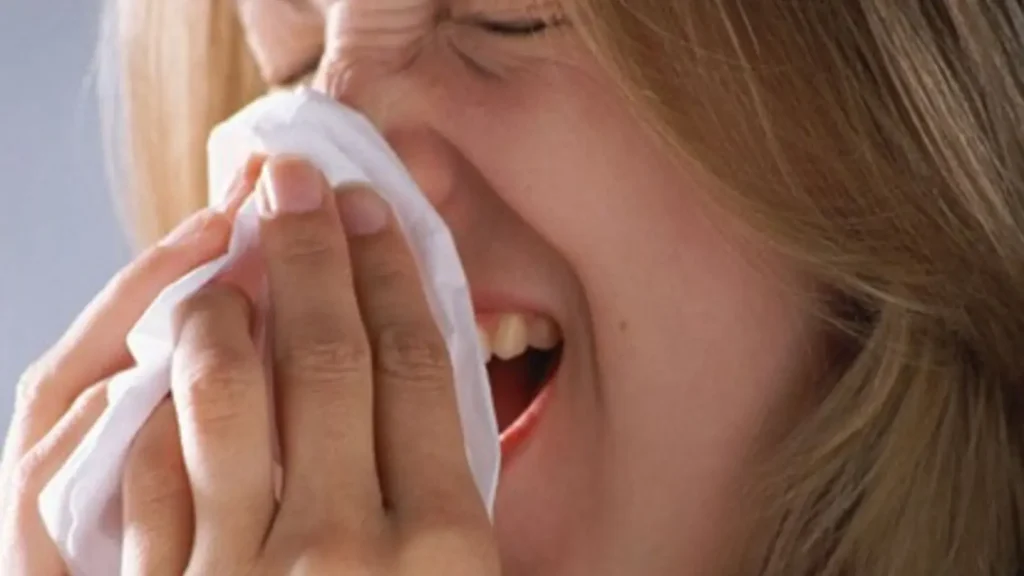
Sneezing is a protective respiratory reflex. Irritation in the nose activates sensory branches of the trigeminal nerve, brainstem circuits organize a deep breath and forceful contraction, and the resulting airflow helps expel mucus, particles and irritants through the nose and mouth. Allergies, infections, dust, spices and even bright light can trigger the pathway.
Why Does Ice Float?
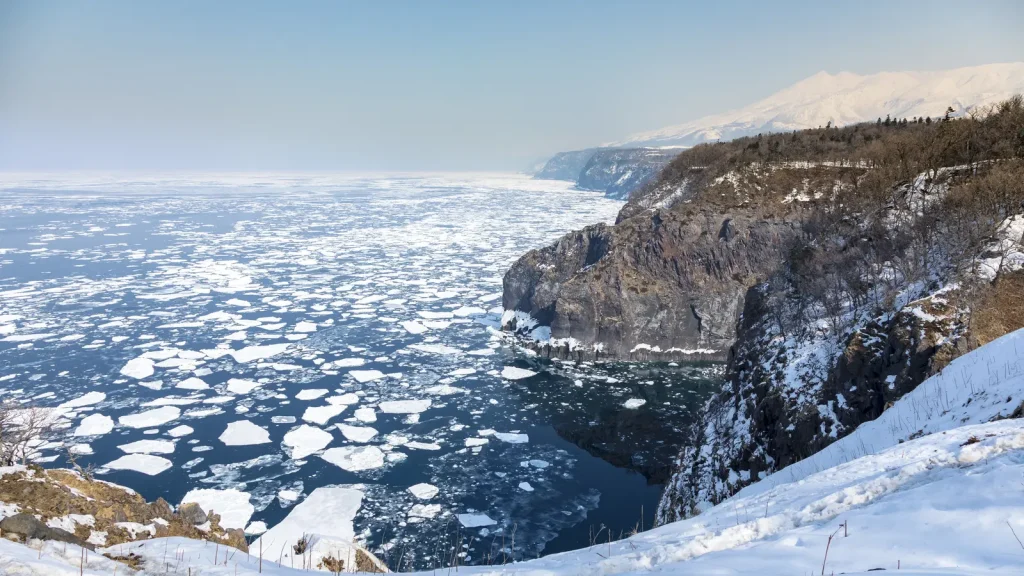
Ice floats because ordinary ice is less dense than liquid water. When water freezes, hydrogen bonds arrange its molecules into an open hexagonal crystal lattice. The same mass occupies more volume, so its density falls below that of the surrounding liquid. Buoyancy then supports the ice, leaving roughly one-tenth of a freshwater ice block above the surface.
How Do Bats Use Echolocation?
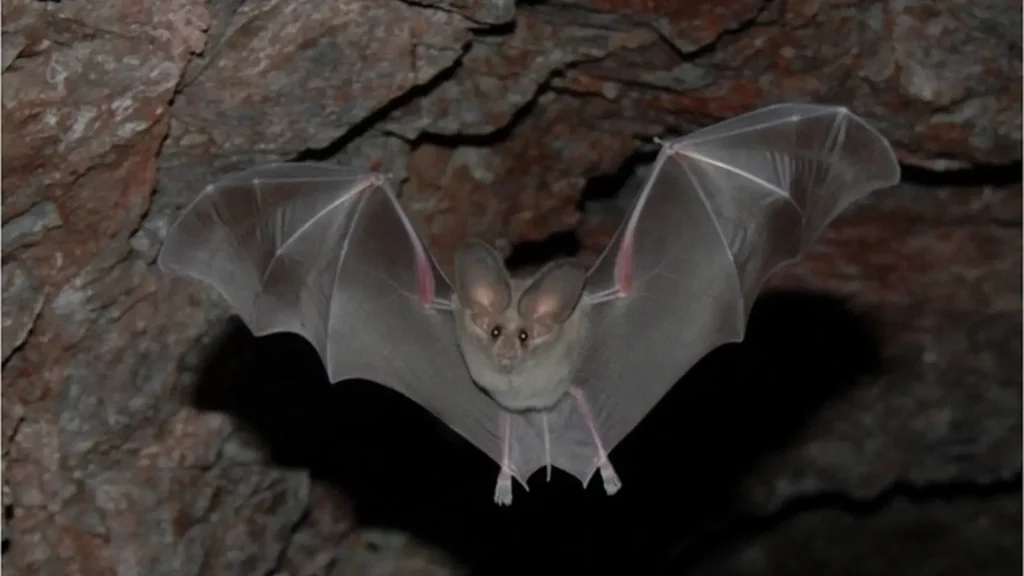
Many bats echolocate by emitting high-frequency calls and analysing returning echoes. Delay indicates distance, differences between the ears reveal direction, spectral changes carry information about structure, and Doppler shifts reveal motion. Bats adjust call rate, duration and loudness as they search for, approach and capture prey.
Why Do We Blush?
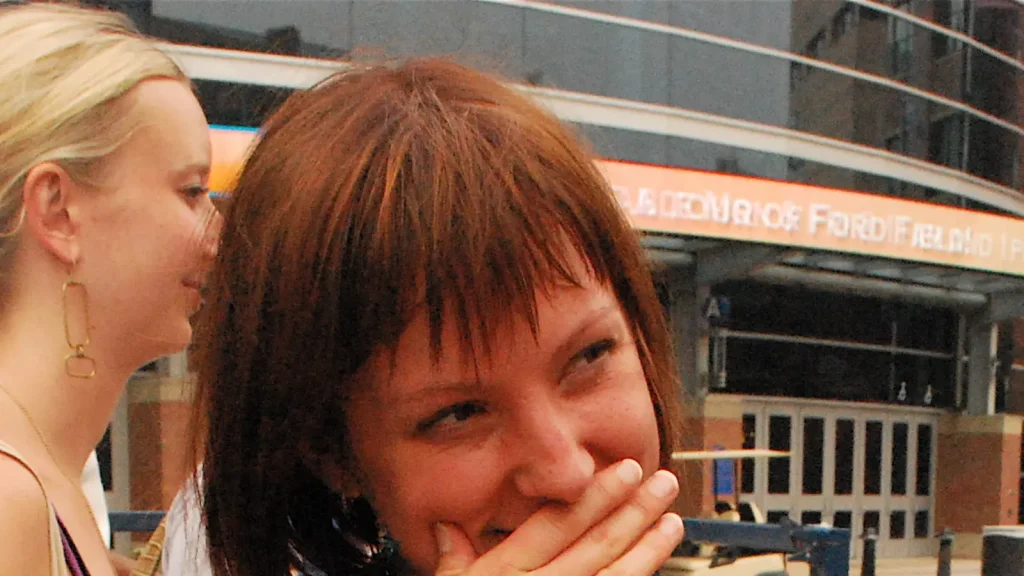
Blushing is involuntary reddening and warming of the face, ears, neck or chest caused by increased blood flow near the skin. Embarrassment, unwanted attention, praise or awareness of being evaluated can trigger it. The autonomic nervous system participates, but the precise pathway and social function remain active research questions.
How Are Caves Formed?
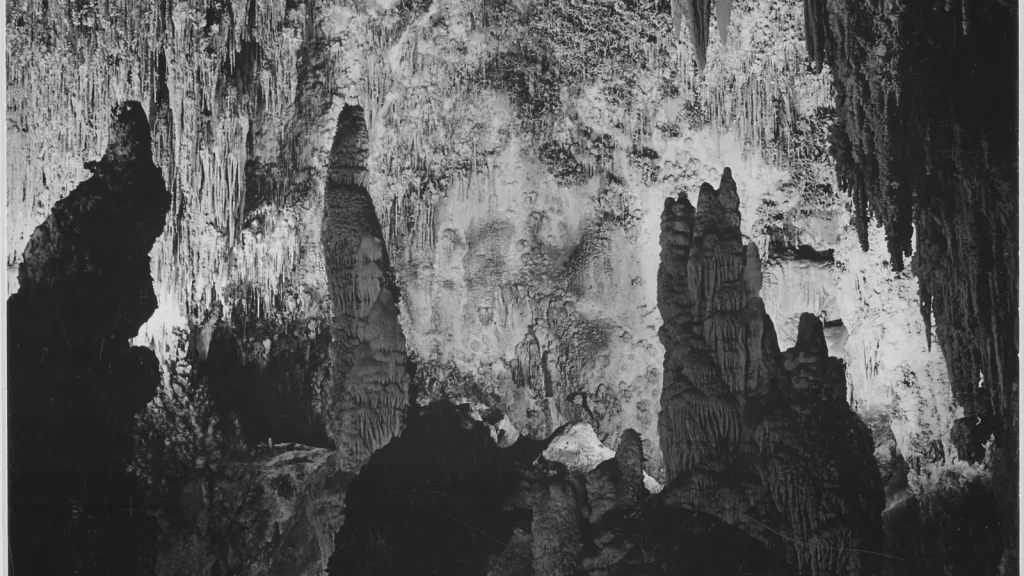
Most familiar caverns form when mildly acidic groundwater dissolves soluble rock, especially limestone, along fractures and bedding planes. Flow enlarges openings into passages; later drainage exposes chambers where mineral-rich drips build stalactites and stalagmites. Lava, ice, waves and hydrothermal fluids can create other cave types.
What Causes Ocean Waves?
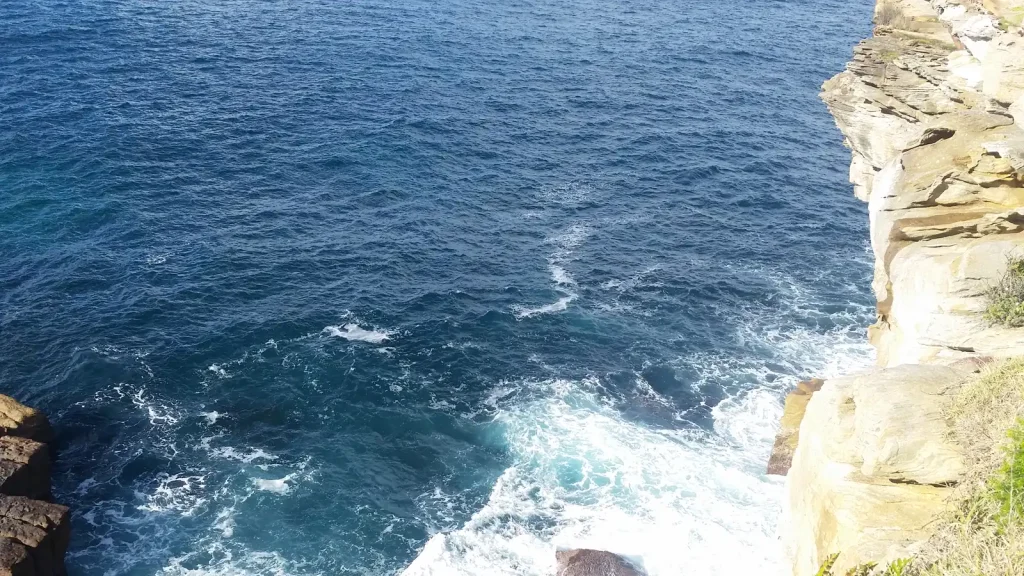
Most everyday ocean waves form when wind transfers energy to the surface. Size depends mainly on wind speed, duration and fetch—the uninterrupted distance across water. Gravity restores the displaced surface, allowing energy to travel. Near shore, decreasing depth slows, steepens and eventually breaks waves.
How Does Sunscreen Protect Your Skin?
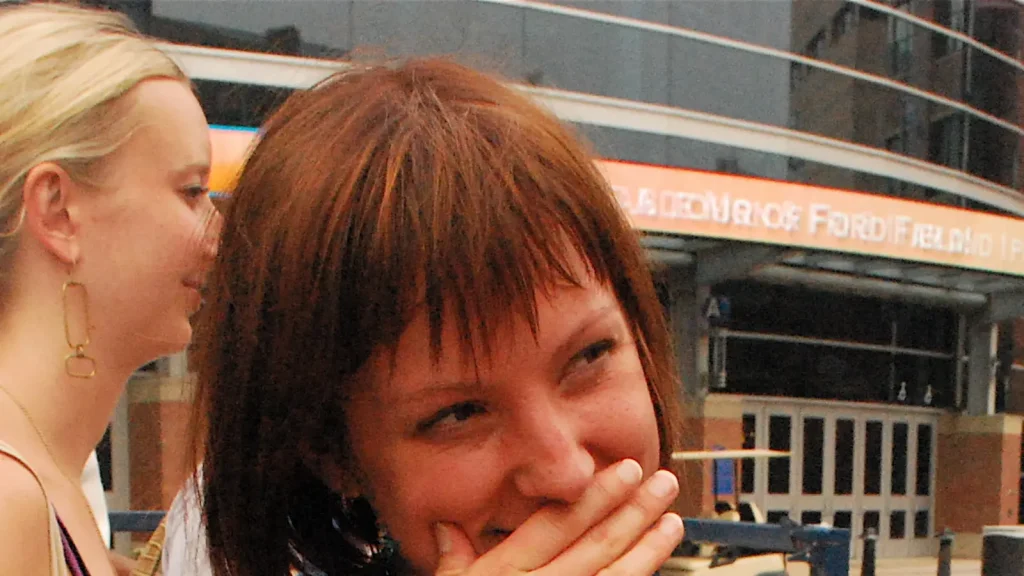
Sunscreen uses ultraviolet filters to absorb most incoming UV energy before it reaches vulnerable skin cells; mineral filters also scatter and reflect a smaller portion. Broad-spectrum products protect against both UVA and UVB. Protection depends on applying enough, covering every exposed area and reapplying.
Why Do Cats Land on Their Feet?
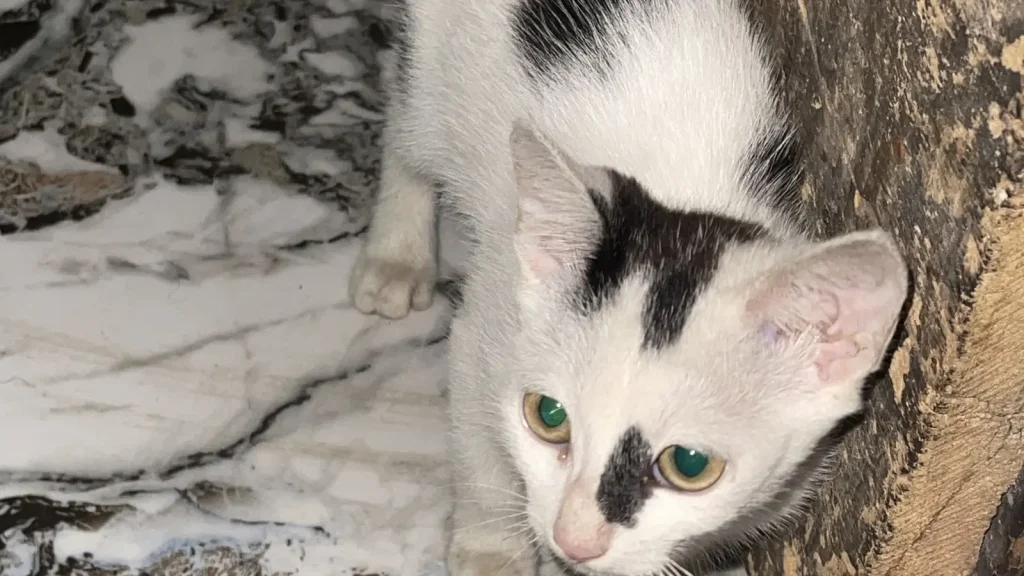
Cats often land feet-first because their vestibular and visual systems detect orientation, then a flexible spine and coordinated limb movements rotate the front and rear halves. By changing how mass is distributed, a cat can reorient while conserving total angular momentum. The reflex reduces risk but does not make falls safe.
How Do Fish Breathe Underwater?
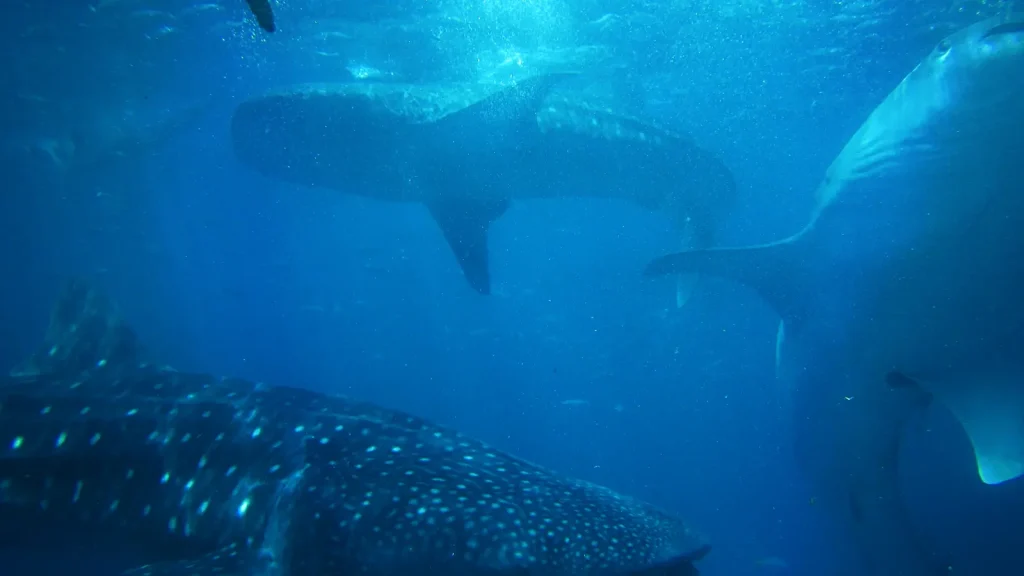
Most fish breathe by moving water across gills. Oxygen dissolved in water diffuses through thin gill surfaces into blood, while carbon dioxide diffuses out. In many bony fish, blood moves opposite to the water, preserving an oxygen gradient across much of the exchange surface.
Why Do Cats Purr?
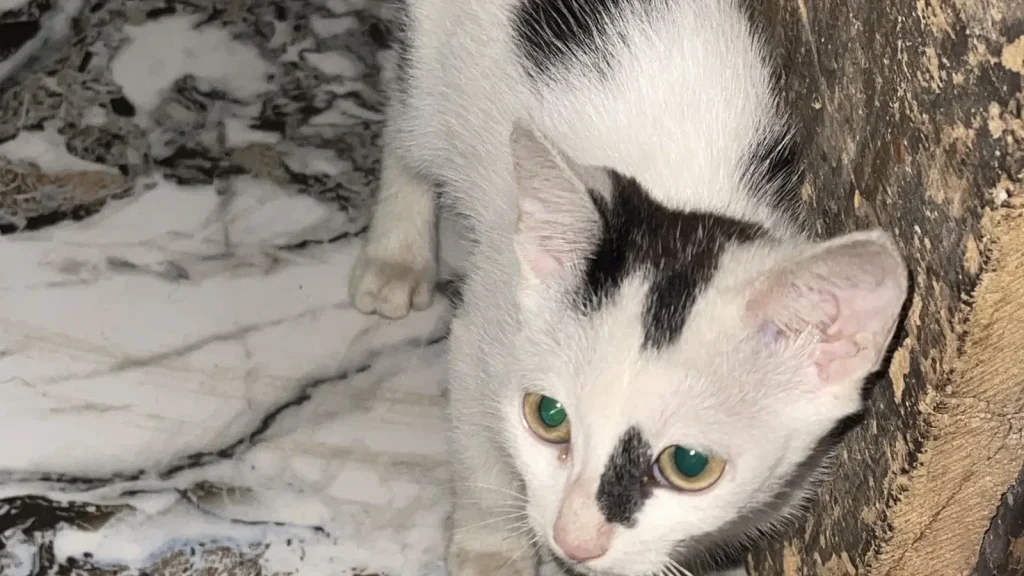
Cats use purring in more than one context. Research on the voice box explains how the low sound can form, while communication studies help explain its effects on people.