
Why Do Stars Twinkle?

Stars twinkle because moving layers of Earth’s atmosphere distort incoming starlight. Planets usually look steadier because their apparent disks average some of those fluctuations.
Why Do Onions Make You Cry?
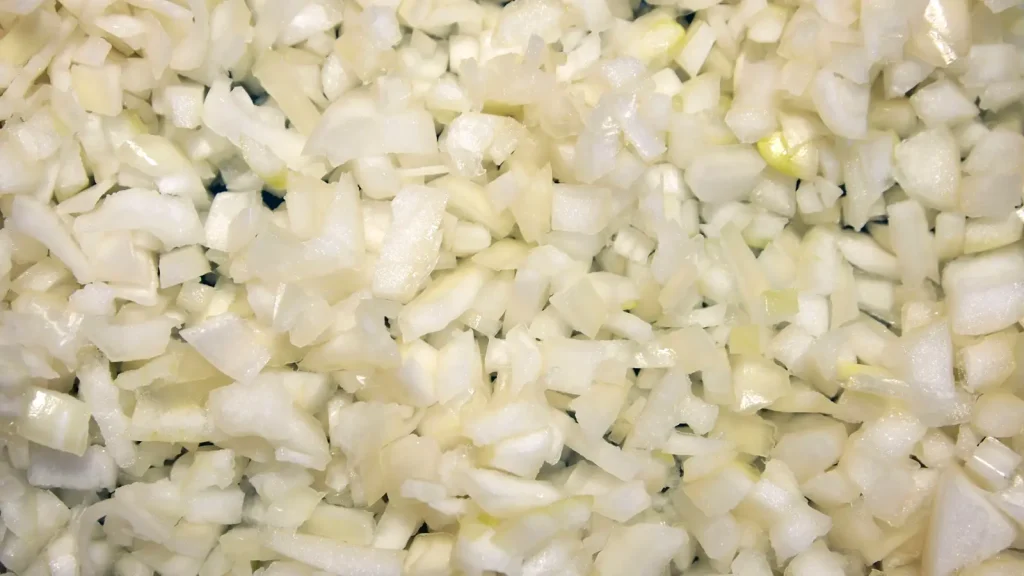
Cutting onion tissue starts an enzyme-driven reaction that releases a volatile irritant. The tear response comes from exposure at the eyes, not from the onion smell alone.
Why Do Earthquakes Happen?

Most earthquakes happen when tectonic forces slowly deform rock on opposite sides of a fault. Friction keeps the fault locked while elastic strain accumulates. When stress exceeds the fault’s resistance, part of it slips suddenly and releases energy as seismic waves. Aftershocks follow as the crust adjusts to the new stress pattern.
How Do Spiders Make Silk?
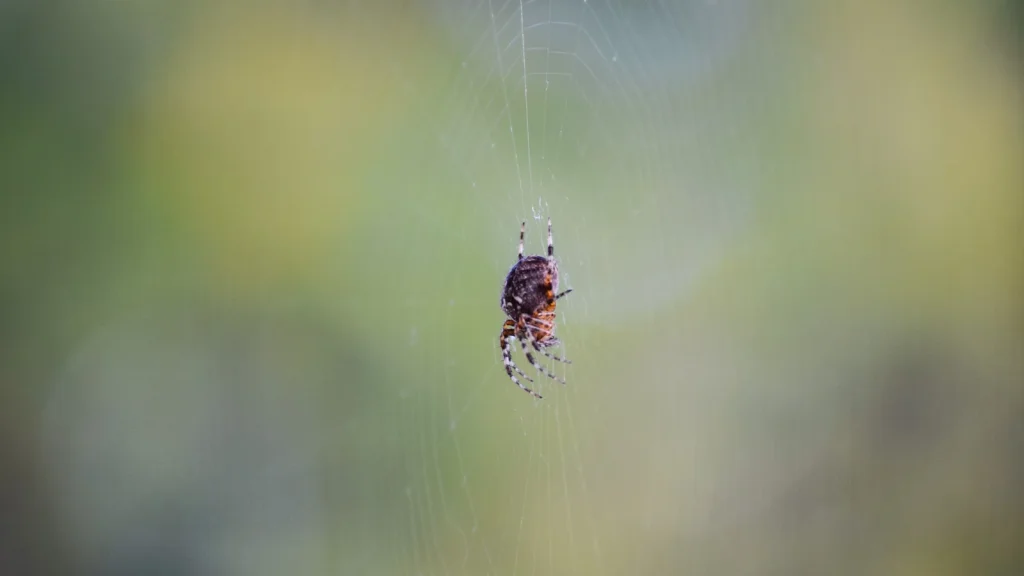
Spiders produce silk proteins in glands and transform them into fibres during spinning. Chemistry, flow and protein organisation determine the properties of different silks.
How Do Glaciers Move?
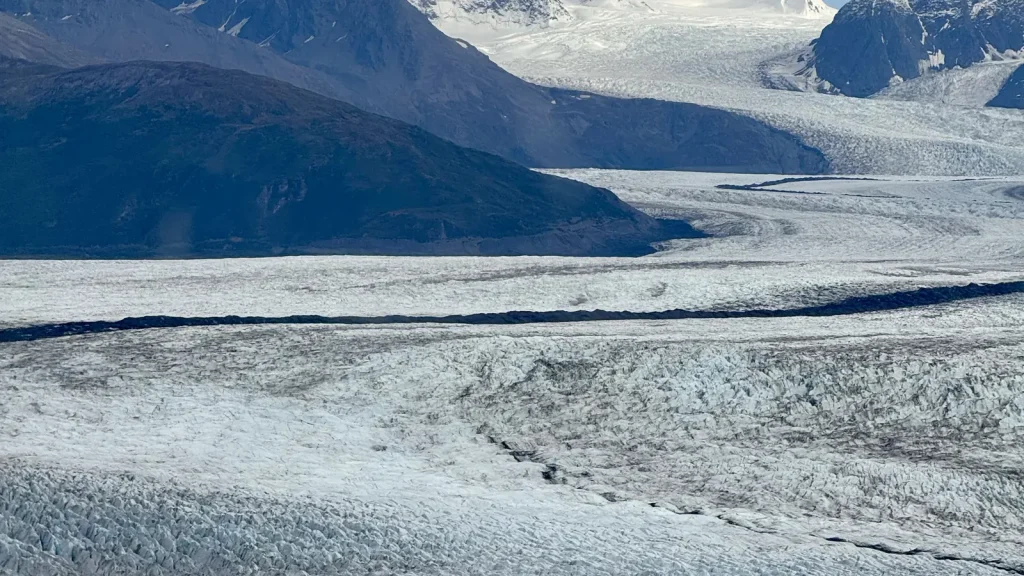
Glaciers move because gravity pulls their enormous mass downhill. Ice deforms internally as crystals change shape and slide past one another, while many glaciers also slide over their beds or deform water-rich sediment beneath them. Speed varies from centimetres per day to much faster surges and ice streams, depending on slope, thickness, temperature, bed conditions and meltwater pressure.
Why Is Mars Red?
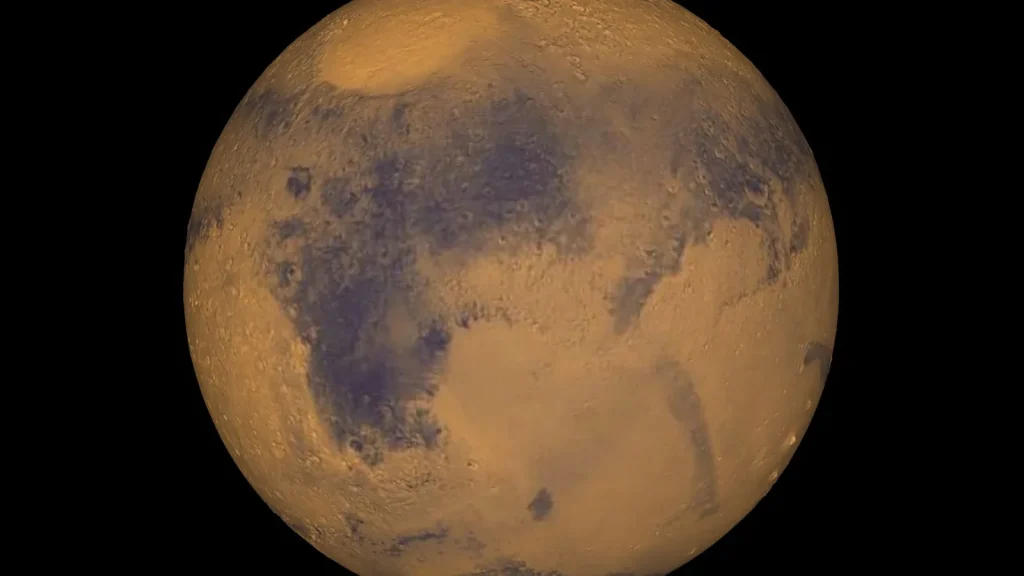
Mars looks red because iron-bearing minerals in its rocks and dust became oxidized. Ferric iron compounds absorb more blue and green light and reflect more red and orange wavelengths. Fine dust spreads globally, coats darker surfaces and hangs in the atmosphere, making the planet appear reddish from Earth and from orbit. The exact minerals and the role of ancient water remain active research questions.
How Do Hummingbirds Hover?
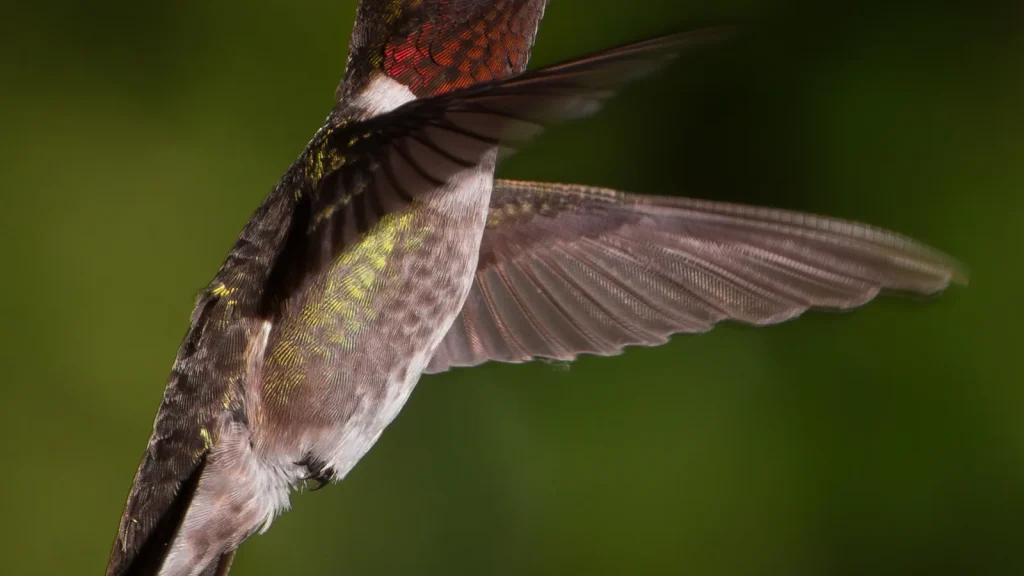
Hummingbirds hover by sweeping their wings back and forth in a flattened figure-eight pattern while rotating them at the shoulder. Unlike most birds, they generate substantial lift during both the downstroke and upstroke. Rapid wingbeats, powerful flight muscles, flexible joints, precise visual control and extremely high metabolism keep the body nearly fixed beside a flower.
Why Do We Yawn?

Scientists do not yet have one universally accepted explanation for yawning. A yawn is a coordinated reflex involving a deep inhalation, wide jaw opening, stretching of facial and airway muscles and a slower exhalation. It clusters around waking, sleepiness, boredom and transitions in alertness. Thermoregulation, arousal, airway mechanics and social communication remain active hypotheses rather than a single proven purpose.
How Do Fireflies Glow?

Fireflies glow through bioluminescence in specialized abdominal organs. Luciferase activates luciferin using ATP, then oxygen helps create excited oxyluciferin. As that product returns to a lower-energy state, it releases a photon. Nerves regulate flashes partly by controlling oxygen, enabling signals for courtship, warning and deception.
Why Is the Ocean Salty?

The ocean is salty because water dissolves ions from rocks and carries them to the sea, while seafloor reactions add or exchange more dissolved material. Water leaves mainly through evaporation, but salts remain. Concentrations do not rise forever because organisms, sediments, vents and mineral reactions remove ions as well as add them.