
How Did Horses Evolve?
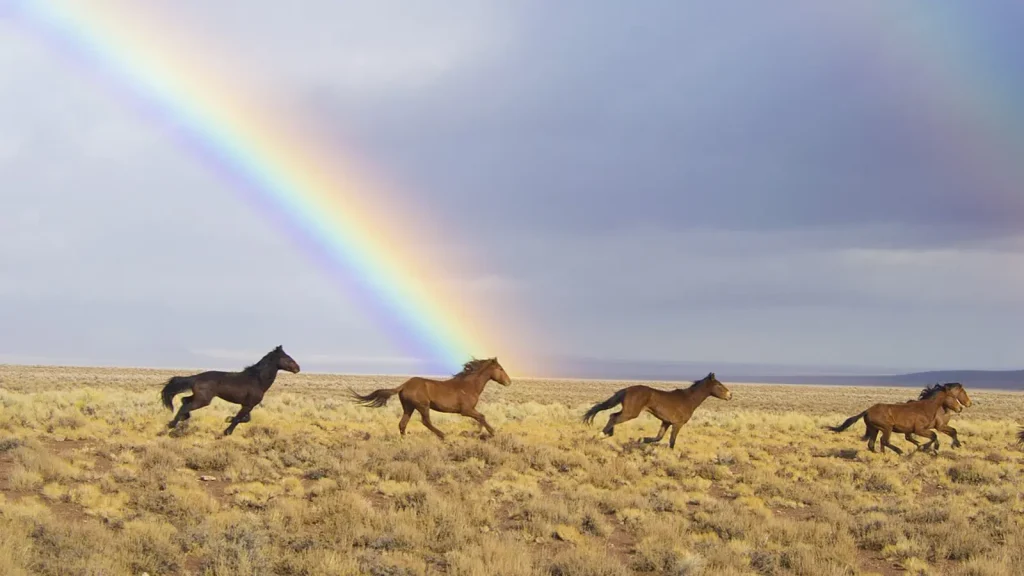
Horses did not evolve in a straight line from a tiny ancestor into the modern animal. Their family tree branched repeatedly as climates and habitats changed. Many lineages disappeared; one surviving genus, Equus, later spread widely and was domesticated by people.
Why Is Venus Hotter Than Mercury?
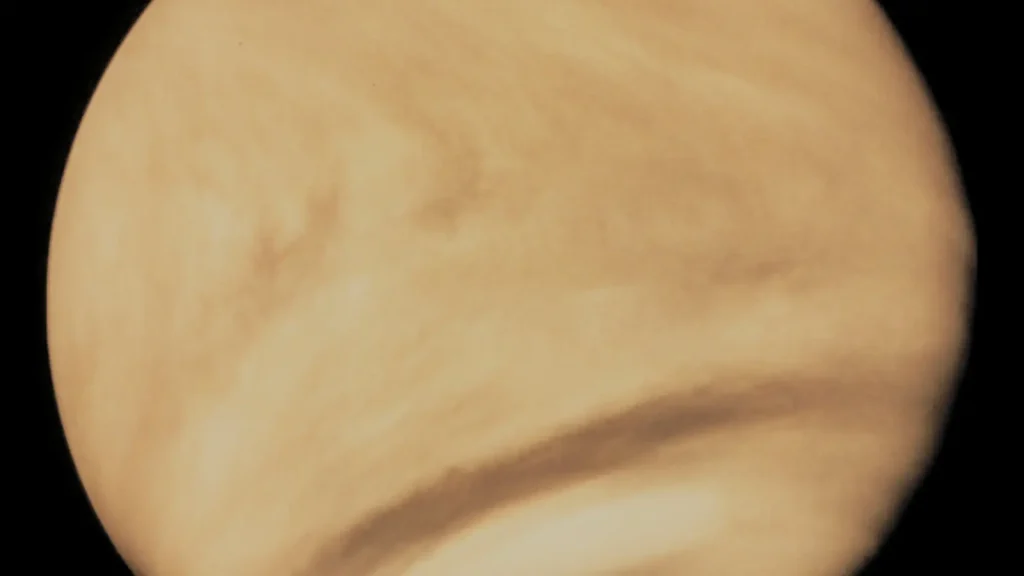
Mercury is closer to the Sun, but Venus is hotter because its massive carbon-dioxide atmosphere traps outgoing infrared energy. Venus averages about 464°C at the surface, while airless Mercury swings between extreme daytime heat and deep nighttime cold.
How Do Geckos Walk on Walls?
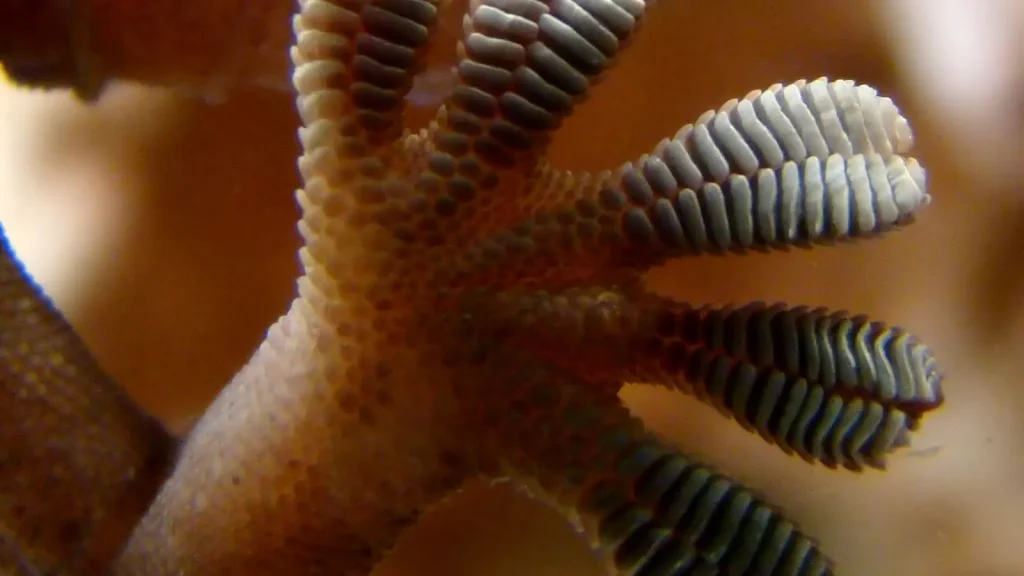
Many geckos cling without glue or suction cups. Microscopic hairs called setae branch into nanoscale tips that make extremely close contact with a surface. Vast numbers of weak van der Waals interactions combine to provide useful adhesion, while toe motion lets the animal attach and release rapidly.
How Do Snowflakes Form?
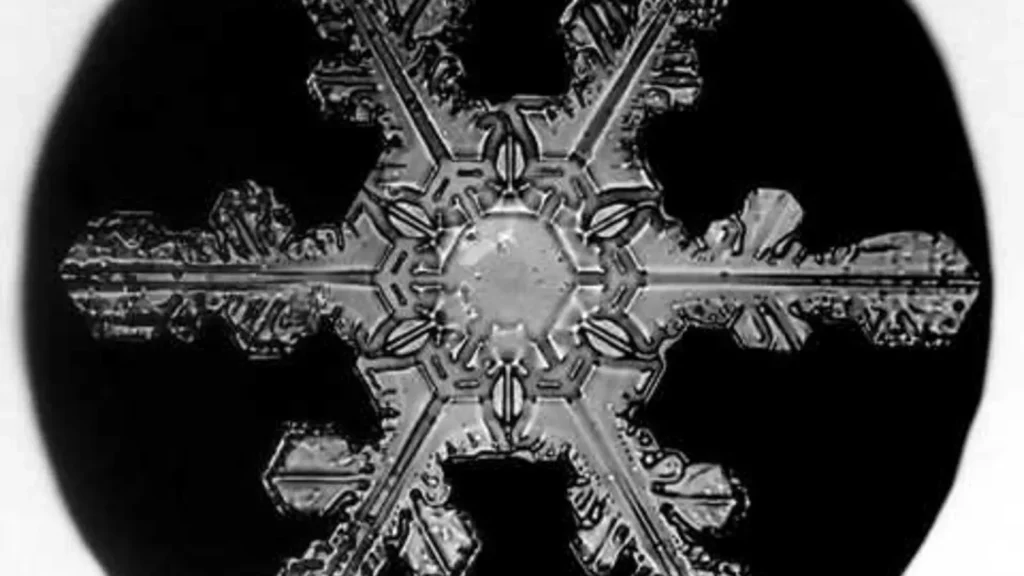
A snow crystal begins when water vapour deposits as ice around a tiny particle in a cold cloud. The hexagonal arrangement of water molecules guides sixfold symmetry, while temperature and humidity along the crystal’s path control whether it grows plates, columns, needles or branching stars.
Why Some Fungi Glow in the Dark
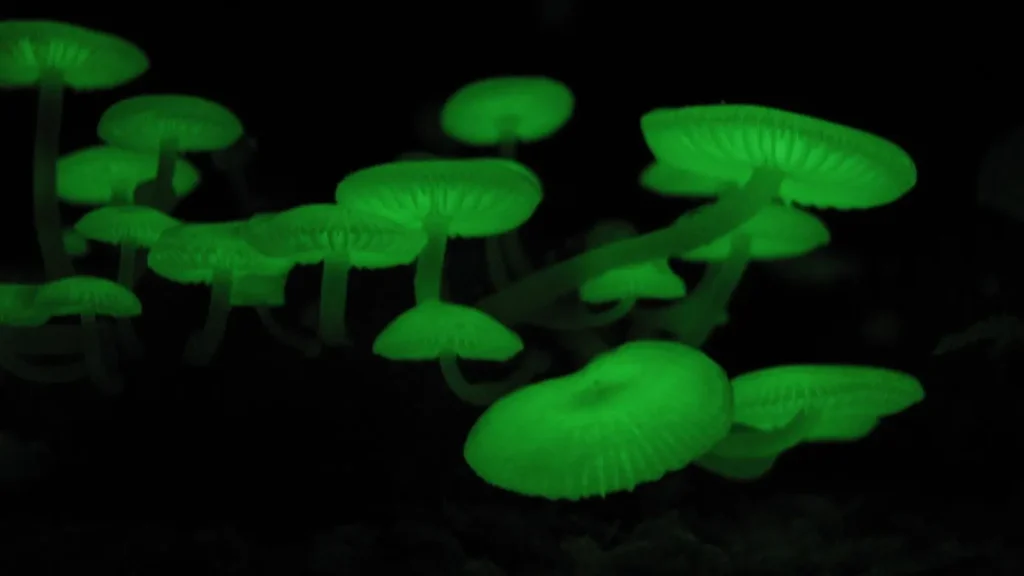
Light-producing chemistry explains the green glow. Experiments with glowing mushrooms and insect traps help test what that light might do in a forest.
How Elephants Communicate Through Ground Vibrations
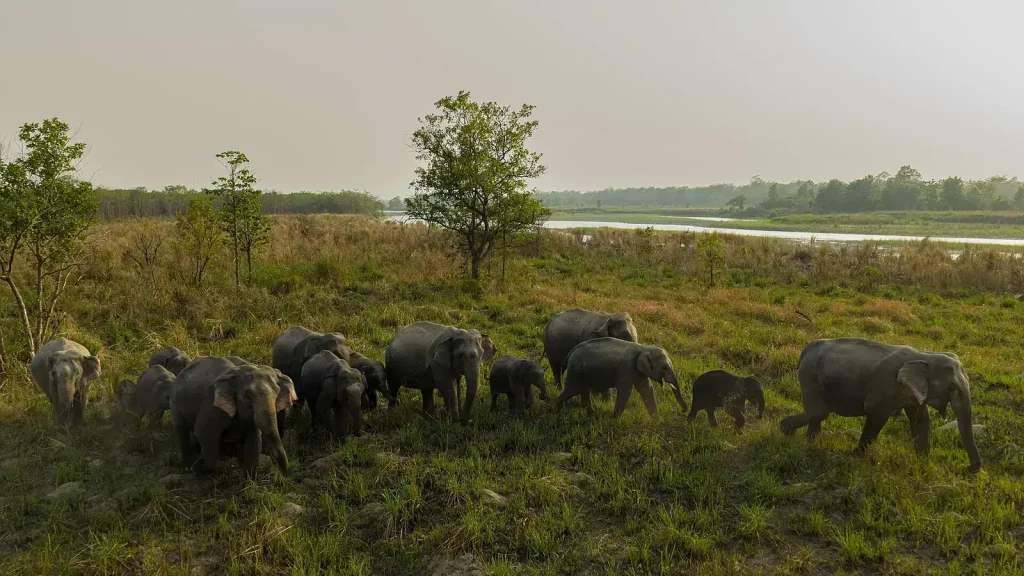
Elephant calls can produce vibrations in soil as well as sound in air. Playback experiments show that elephants can respond to this additional communication channel.
How Atmospheric Rivers Move Water Across Continents
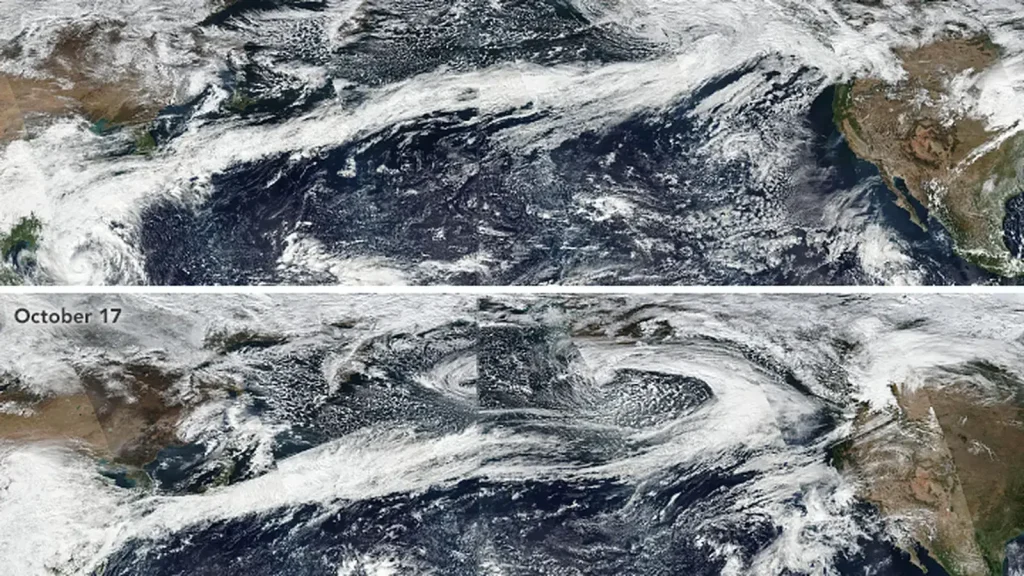
Long, narrow corridors of water vapour transport enormous quantities of moisture, sometimes relieving drought and sometimes producing destructive flooding.
How Earth’s Magnetic Field Reverses
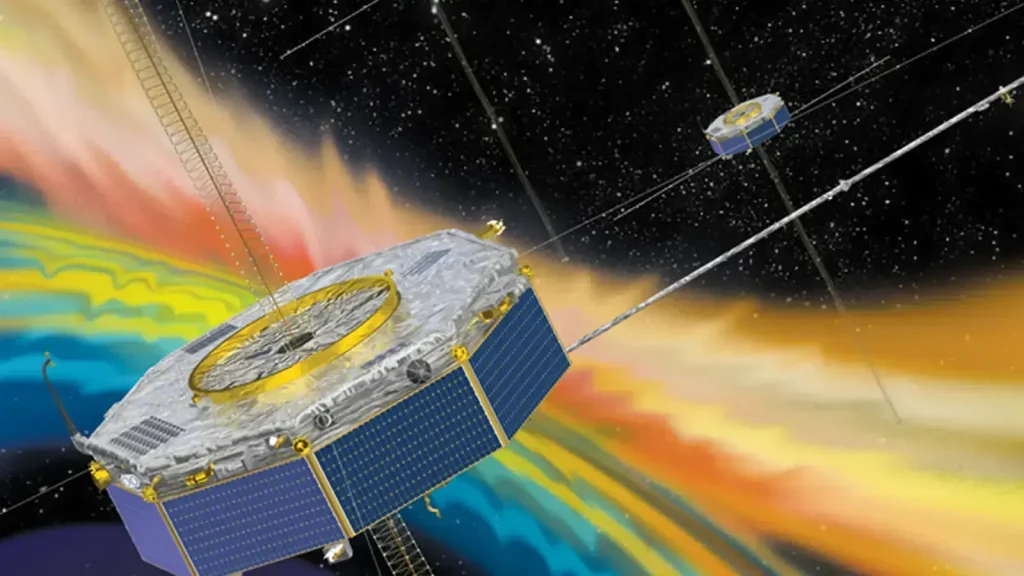
Ancient rocks record changes in magnetic polarity. Reversals reflect the changing geodynamo deep inside Earth, not the planet physically turning upside down.
Why Pulsars Are the Universe’s Precision Clocks
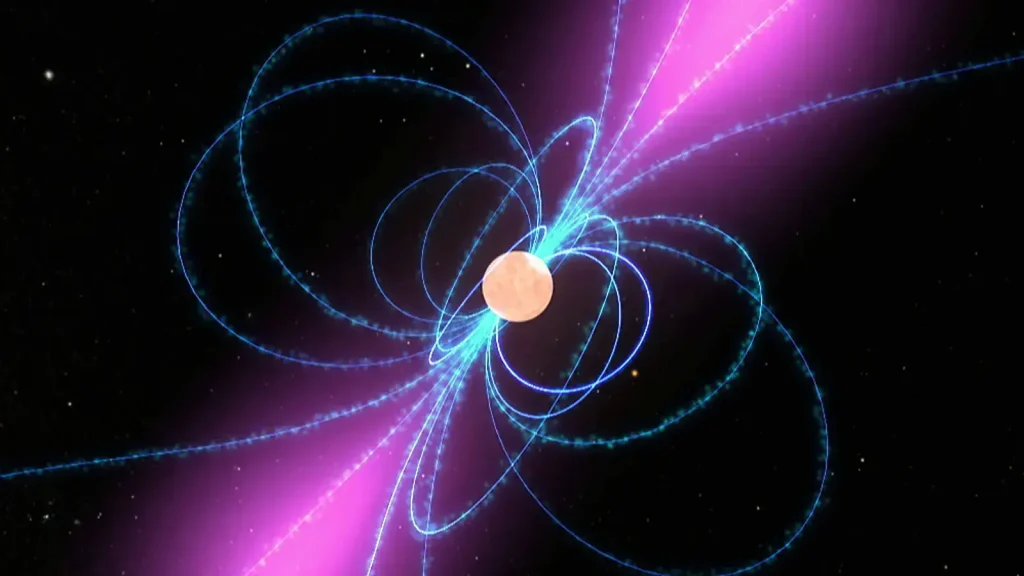
Rapidly rotating neutron stars sweep radio or high-energy beams past Earth with extraordinary regularity, making them tools for studying gravity and interstellar space.
How Spiders Read Vibrations Through Their Webs
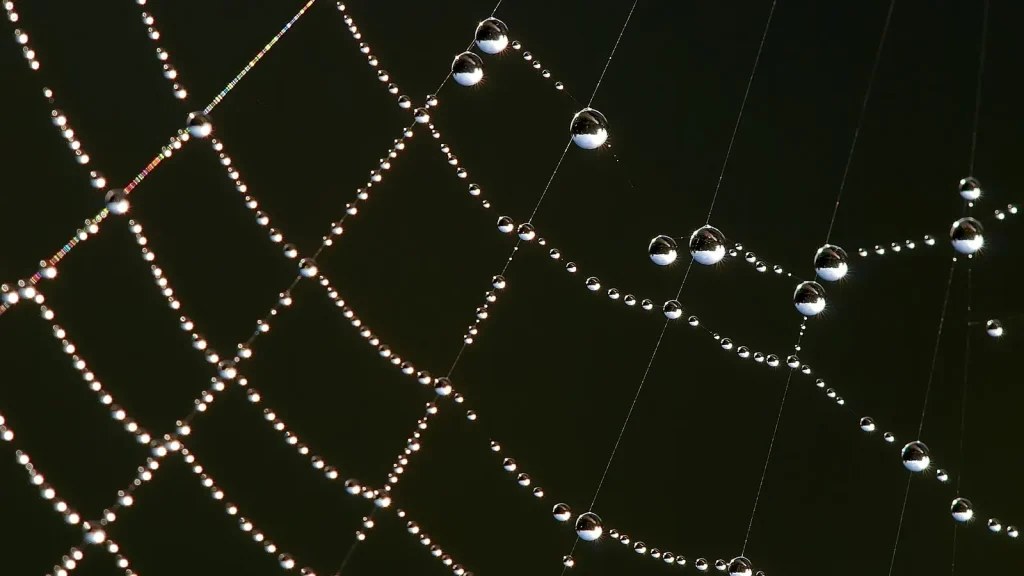
A web carries mechanical information to a spider’s legs. Silk properties, tension and geometry affect what arrives, helping explain why the web is both trap and sensory structure.