
How Mangrove Roots Protect and Rebuild Coastlines
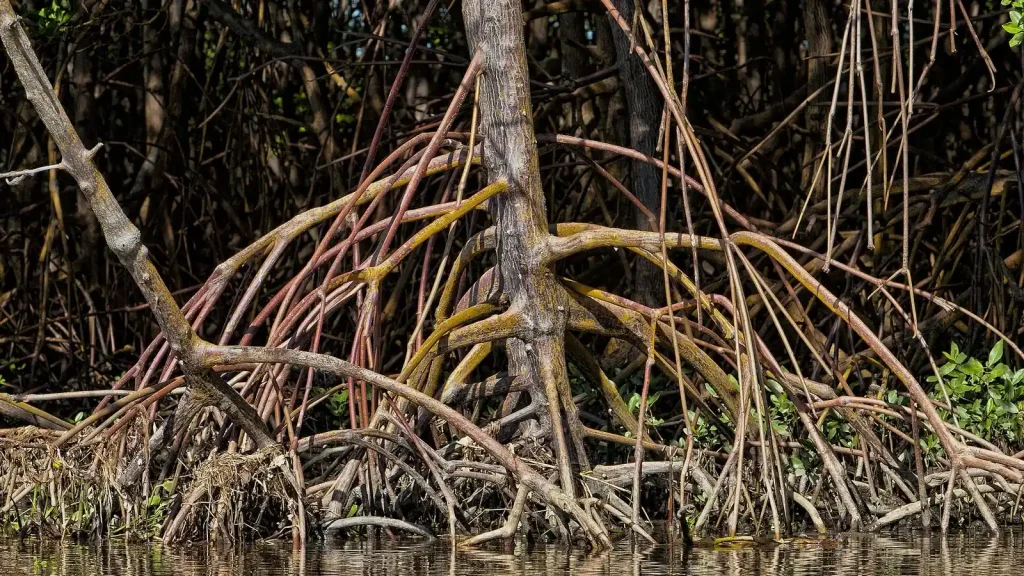
Mangrove roots slow water and help retain sediment, supporting coastal habitat. Protection depends on the forest, the shoreline and whether land elevation can keep pace with change.
How Sinkholes Form Beneath Solid Ground
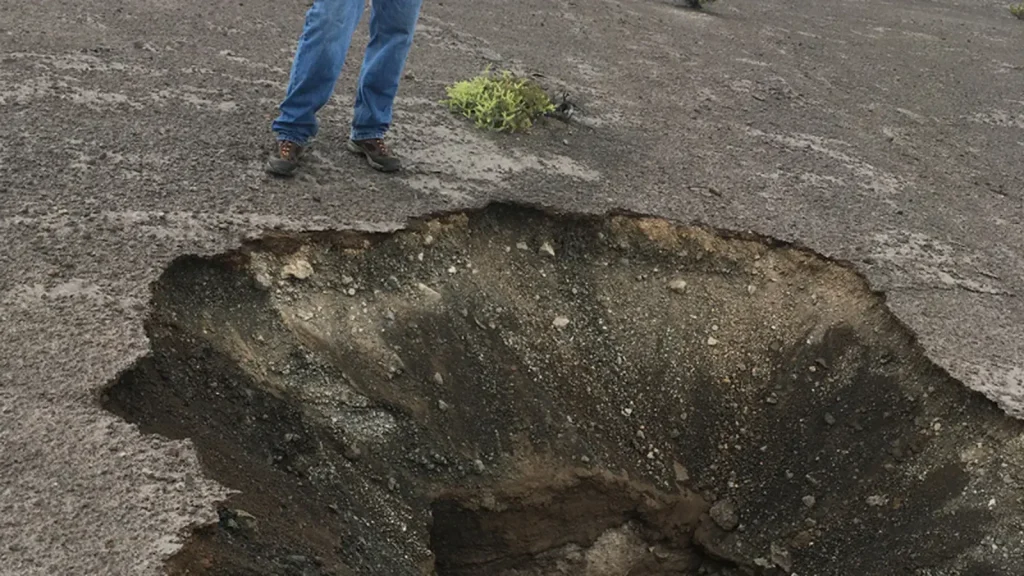
Sinkholes develop when underground material is removed and the surface subsides or collapses. Soluble rock, sediment and groundwater changes shape how—and how quickly—they appear.
How Aquifers Store and Release Groundwater
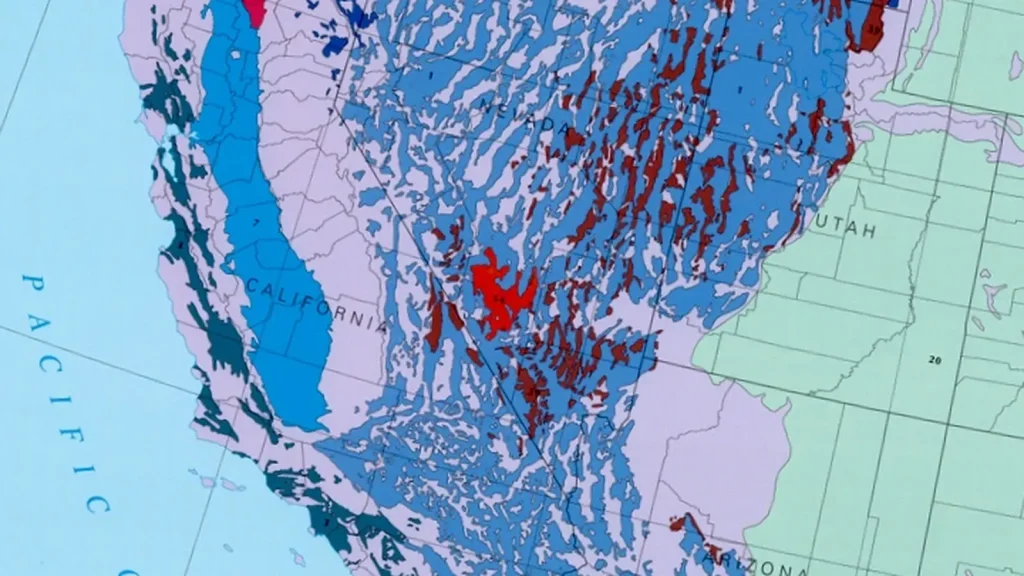
Aquifers store groundwater in pores and fractures and transmit it through connected pathways. Recharge, pressure and pumping determine how that water becomes available.
How Cosmic Rays Create Particle Showers in the Atmosphere

A high-energy cosmic ray can trigger a cascade of secondary particles in the atmosphere. Ground arrays and fluorescence telescopes reconstruct the event from its traces.
How Radio Telescopes Work Together as One Giant Instrument
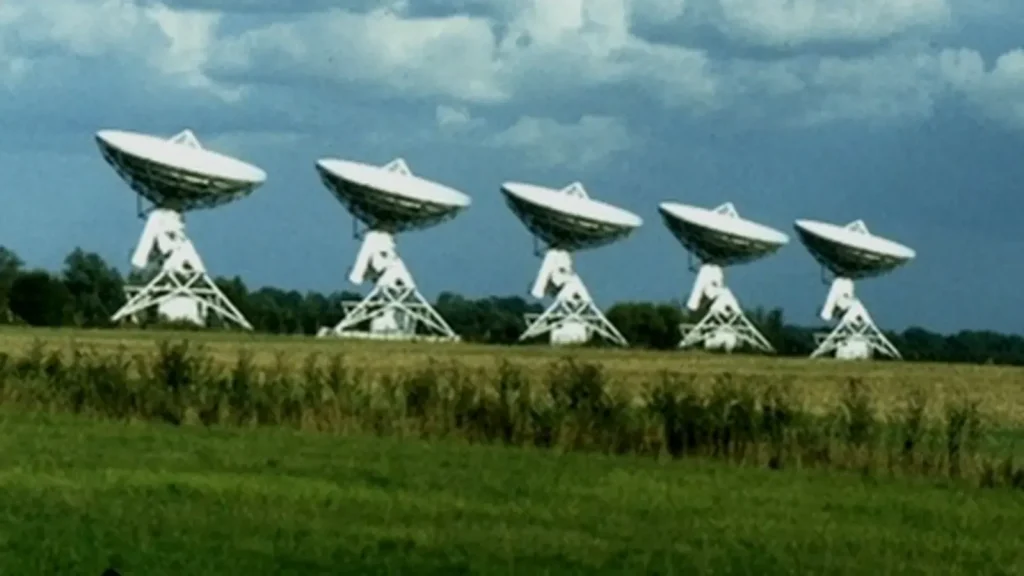
Radio interferometry combines signals from separated antennas to resolve fine structure. Baselines determine detail, while collecting area and coverage determine what can be reconstructed.
How Ancient Papyrus Survived for Thousands of Years

Papyrus survives when its environment slows deterioration. Dry burial preserved many Egyptian texts, but excavation leaves fragile plant fibres needing careful conservation.
How Polynesian Wayfinders Navigated the Pacific

Pacific wayfinding combines stars, swells and environmental signs with a continually updated estimate of the voyage. Modern voyaging organisations preserve and develop this living knowledge.
How Taste Receptor Cells Renew Themselves

Taste buds maintain their sensory role while individual cells are replaced. Studies trace the progenitor cells and molecular connections that make this continuing renewal possible.
How the Kidneys Keep Water and Salts in Balance
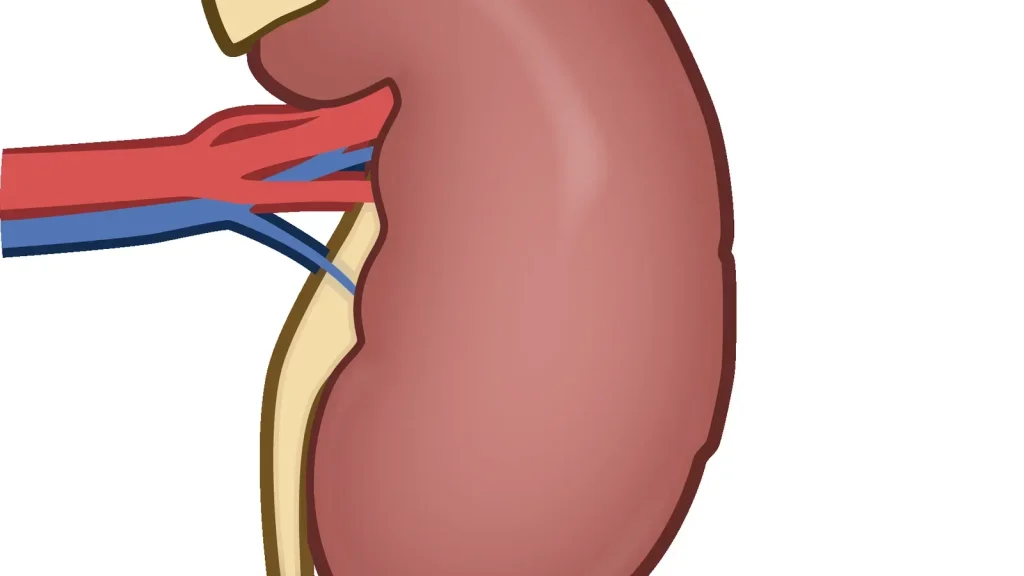
The kidneys continually filter blood and adjust how much water and dissolved material returns to the body, helping keep internal conditions within workable ranges.
How Transistors Switch and Amplify Electronic Signals
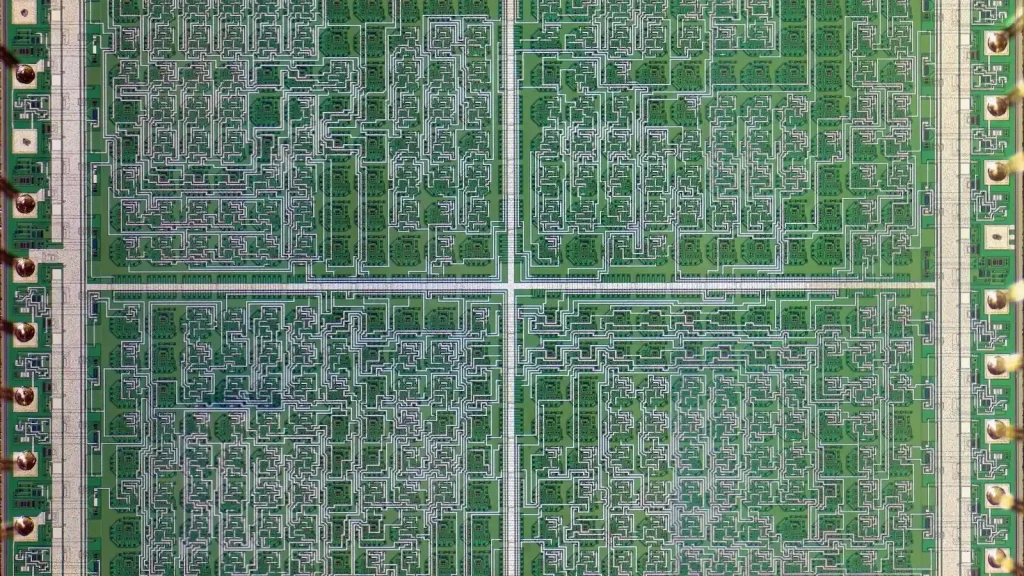
A transistor controls current in a circuit. The same broad ability supports digital switching and signal amplification, with the extra output energy supplied by the circuit’s power source.