
How Desalination Turns Seawater into Fresh Water
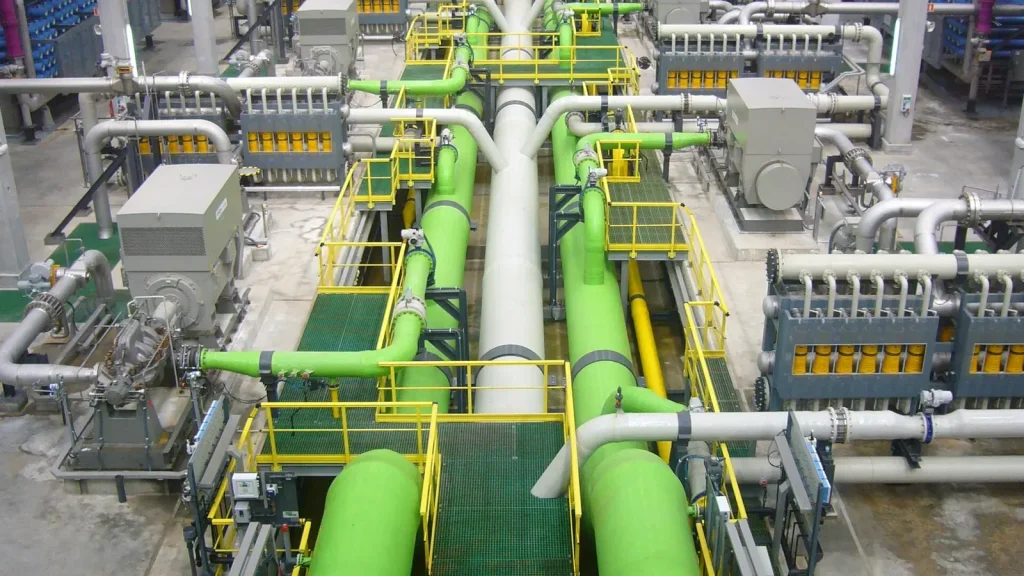
Desalination separates fresh water from dissolved salts using membranes or evaporation. Energy, pretreatment, post-treatment and concentrated brine all shape the result.
How Honey Bees Turn a Dance into a Map
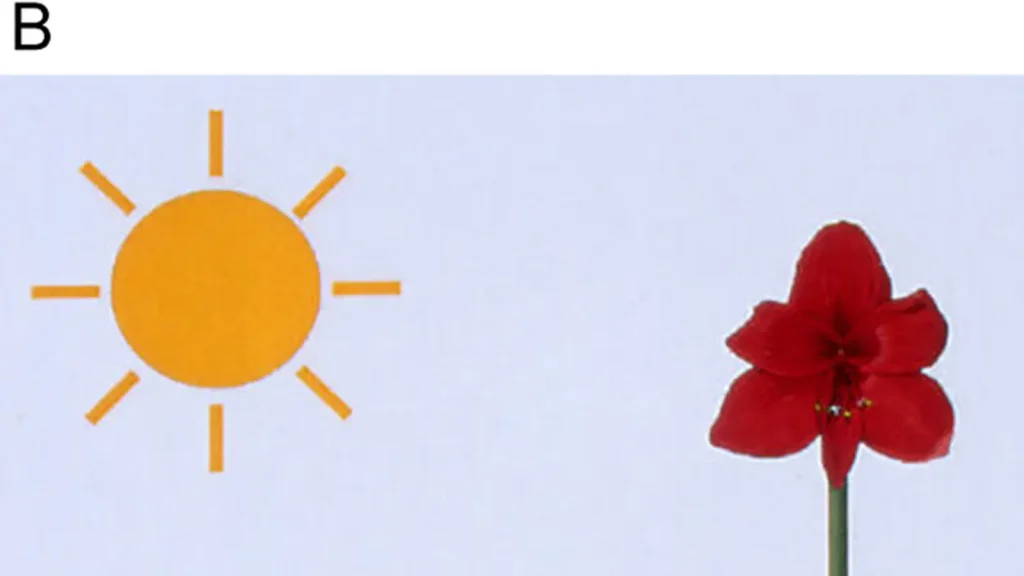
A honey bee’s waggle run encodes a direction relative to the Sun and information related to distance. Followers combine that imperfect signal with other cues while searching.
How Octopuses Change Colour and Texture So Quickly
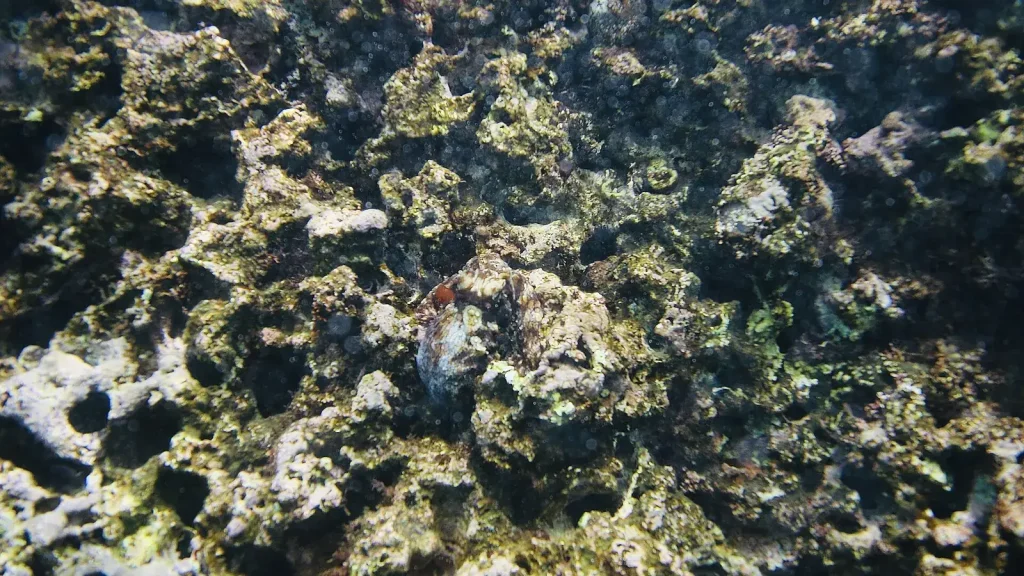
Octopuses change appearance using pigment organs, reflective tissues and muscular skin projections. Colour and texture are separate tools within a flexible camouflage system.
How River Deltas Build Land—and Why They Sink
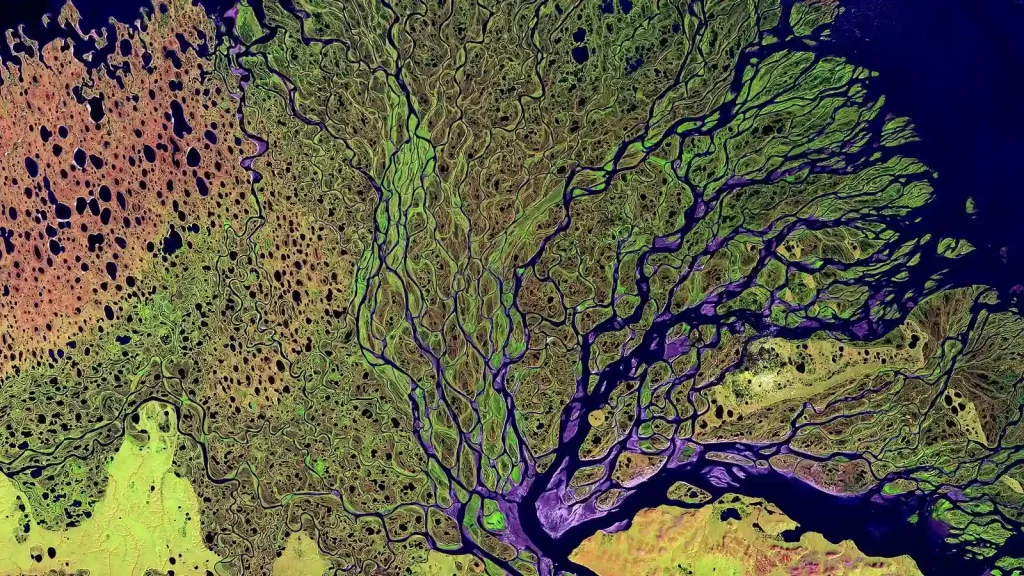
Deltas grow when rivers deposit sediment faster than waves, currents and sinking remove it, but dams, extraction and rising seas can upset that balance.
Why Is the Ocean Blue?
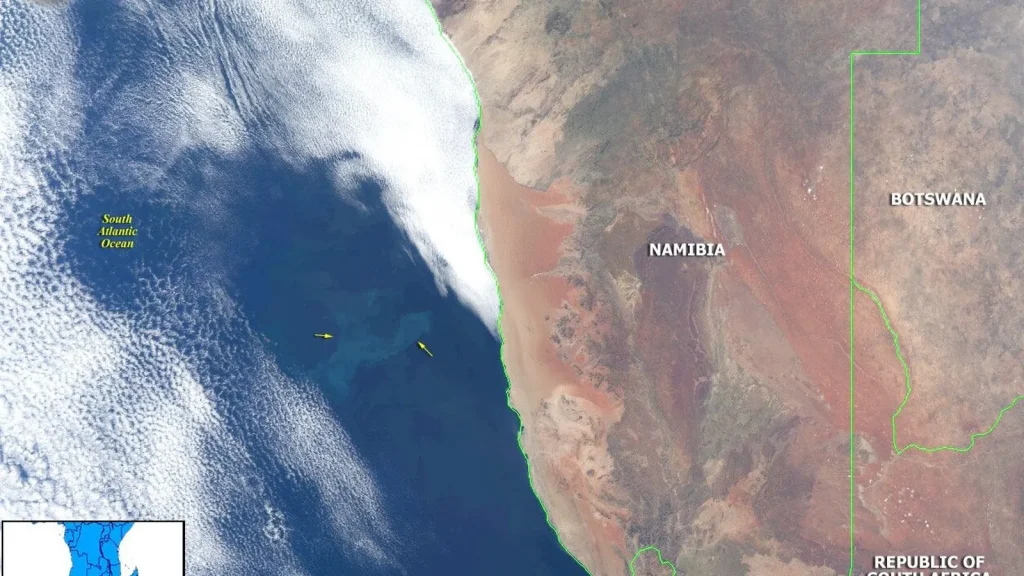
The ocean usually looks blue because water absorbs longer red, orange and yellow wavelengths more strongly while blue light penetrates farther and is scattered back toward observers. Reflections from the sky contribute at some angles, but they are not the primary reason deep clear water is blue.
How Do Chameleons Change Colour?
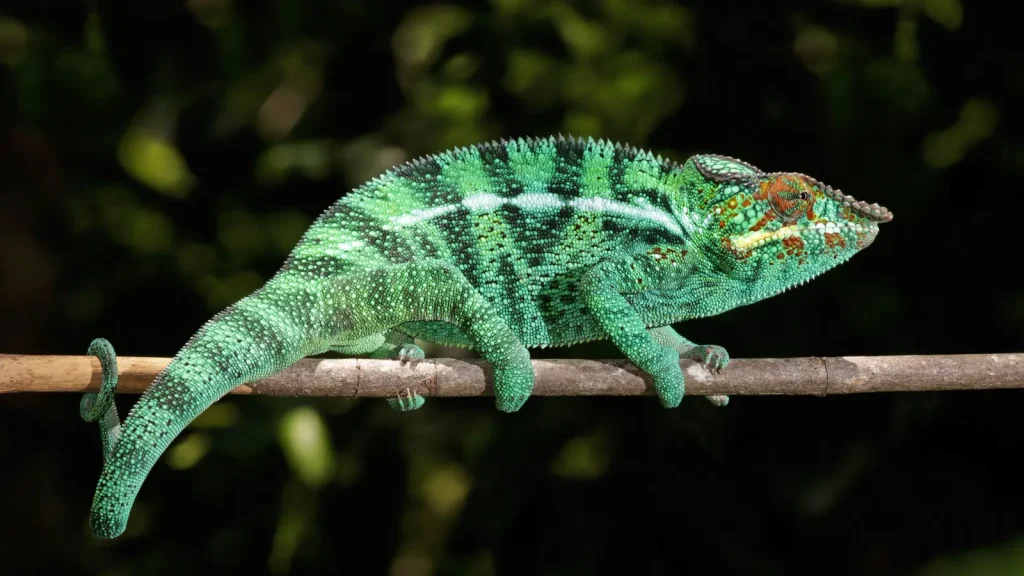
Pigments and microscopic guanine crystals create a living optical display. Social signals matter as much as the familiar camouflage story.
How Do Solar Panels Generate Electricity?
Solar photovoltaic panels generate electricity when semiconductor cells absorb photons and free charge carriers. An internal electric field separates those charges, metal contacts collect direct current, and an inverter converts it into alternating current suitable for buildings or the electrical grid.
What Causes Déjà Vu?
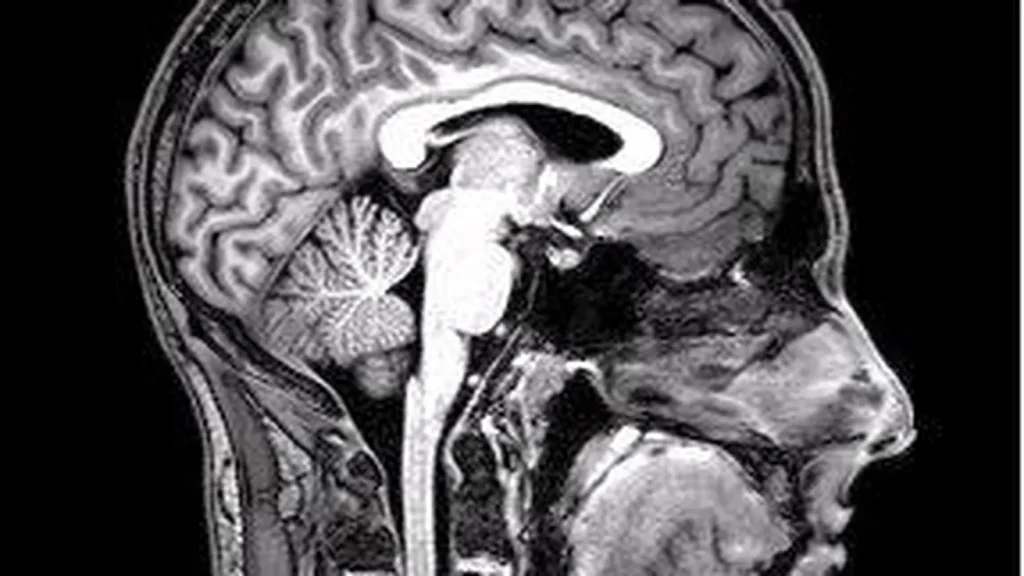
Déjà vu is the striking feeling that a new situation has been experienced before even while a person recognises that the familiarity is misplaced. Research suggests it can arise from a brief mismatch between familiarity signals and memory-monitoring systems, although no single mechanism explains every episode.
How Glaciers Record Past Climates in Layers of Ice
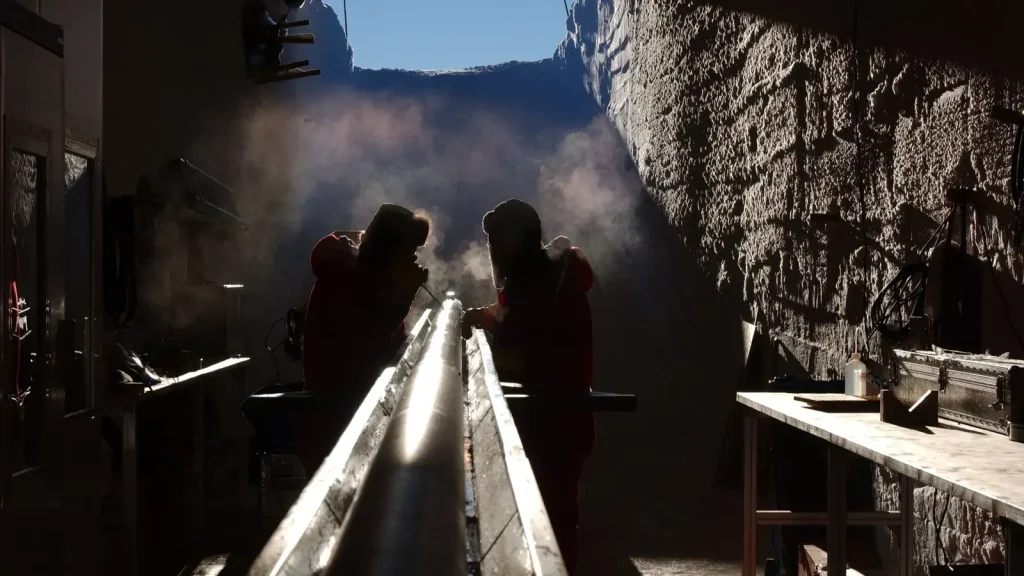
Snow compressed into glacier ice can preserve bubbles, dust, isotopes and chemicals that allow researchers to reconstruct parts of Earth’s atmospheric and climate history.
How Pulsars Became Some of the Universe’s Best Clocks
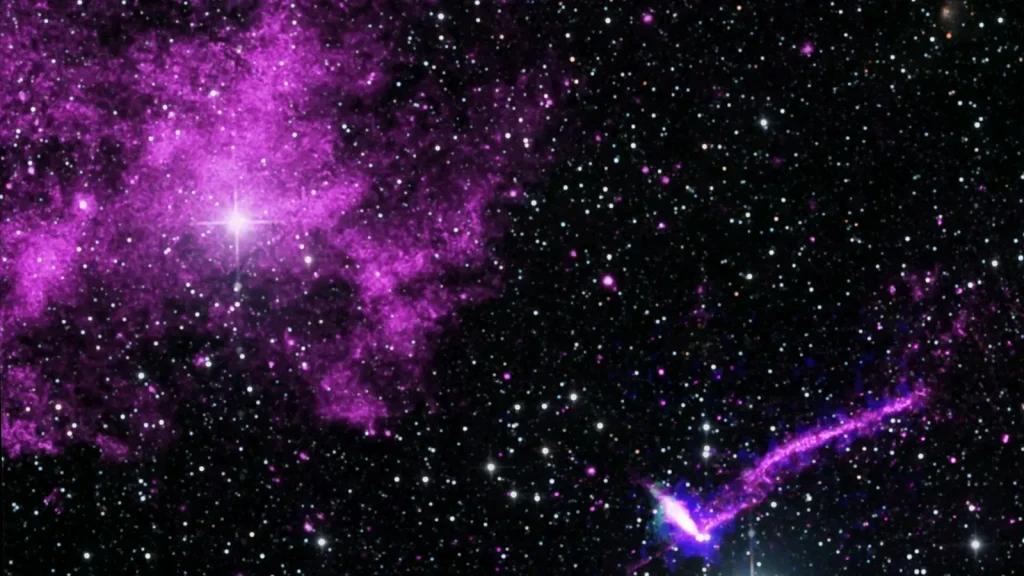
Rapidly rotating neutron stars can sweep radio beams past Earth with extraordinary regularity, allowing astronomers to test gravity, map interstellar matter and search for subtle timing changes.