
How Scientists Return Samples from Asteroids
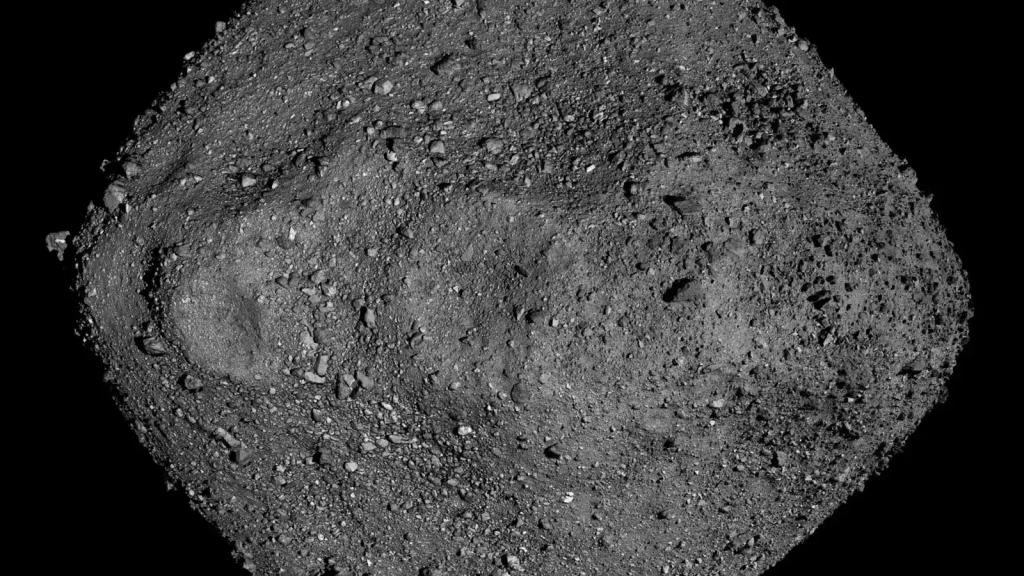
Asteroid sample return combines navigation, brief surface contact, protected storage and an Earth-entry capsule. Clean handling preserves the evidence after the spacecraft’s journey ends.
How Roman Surveyors Built Roads That Endured
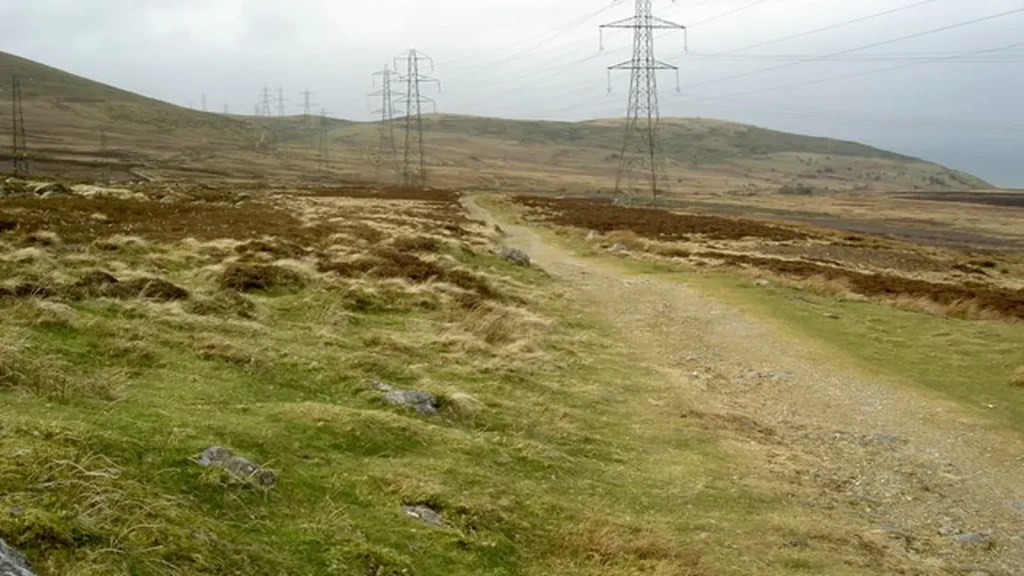
Roman roads lasted where careful surveying, drainage, local materials and continuing maintenance worked together; there was no single universal layer recipe used across the empire.
How Scholars Learned to Read Cuneiform Again
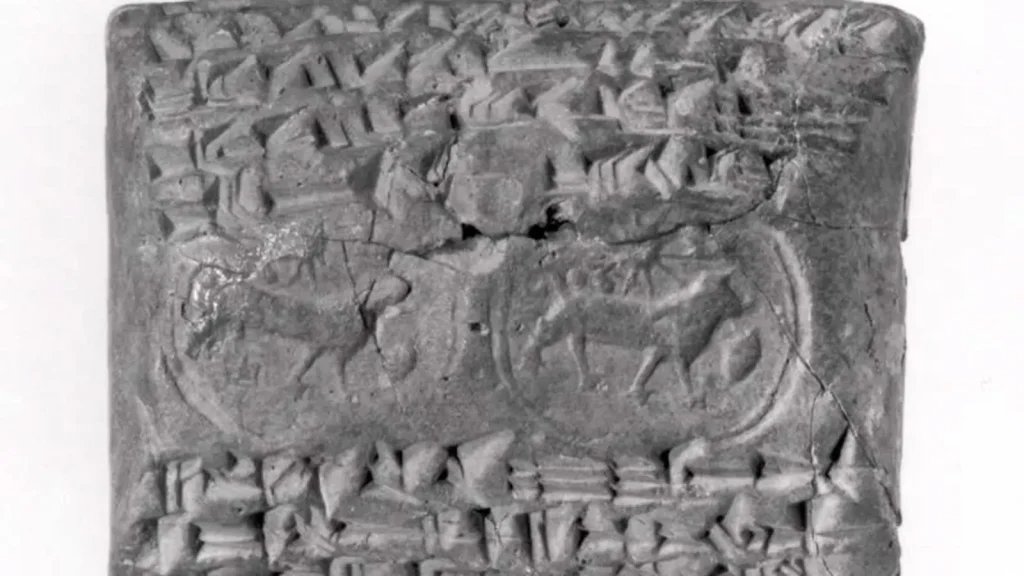
Cuneiform is a writing tradition used for several languages. Its decipherment required comparisons, sound values and independent tests, with different languages becoming readable at different stages.
How Light Carries Internet Data Through Glass Fibres
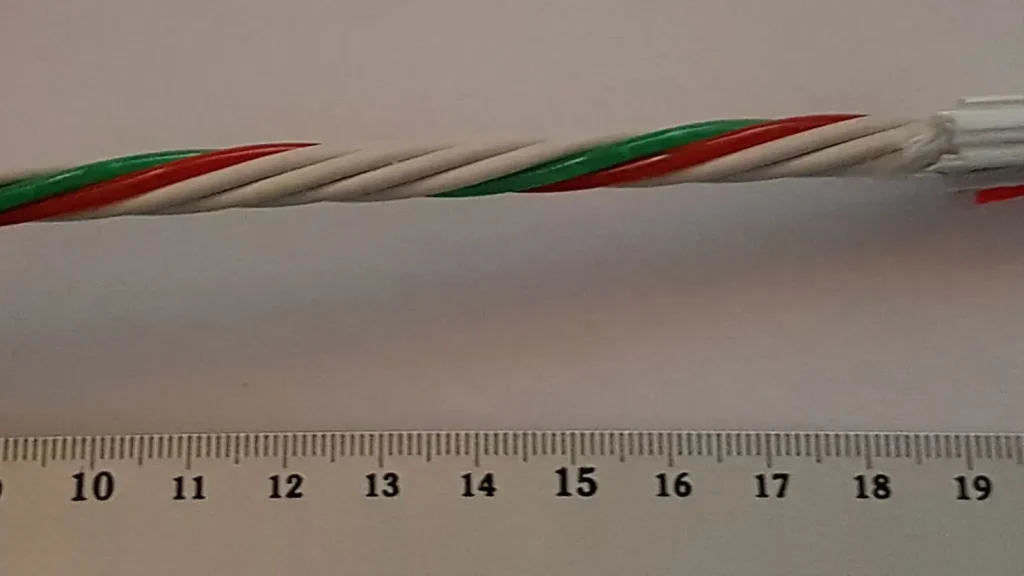
Fibre-optic systems encode data onto light, confine it within exceptionally pure glass and recover the signal after it travels through cables, amplifiers and network equipment.
How Bats Build a Sound Map in Complete Darkness
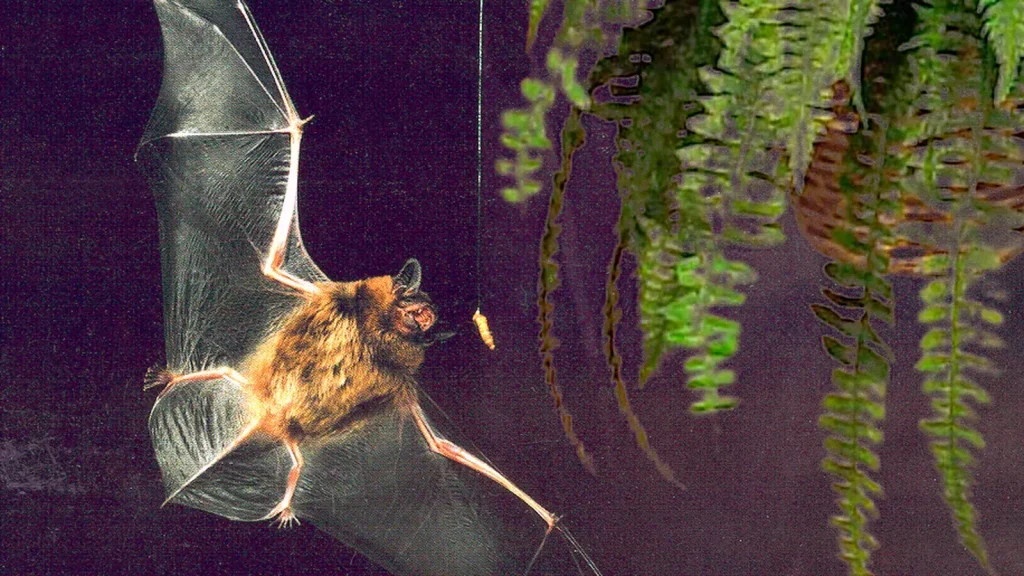
Echolocating bats emit precisely controlled calls and interpret returning echoes to estimate the direction, distance, size and movement of objects around them.
How Leafcutter Ants Maintain Underground Fungus Farms
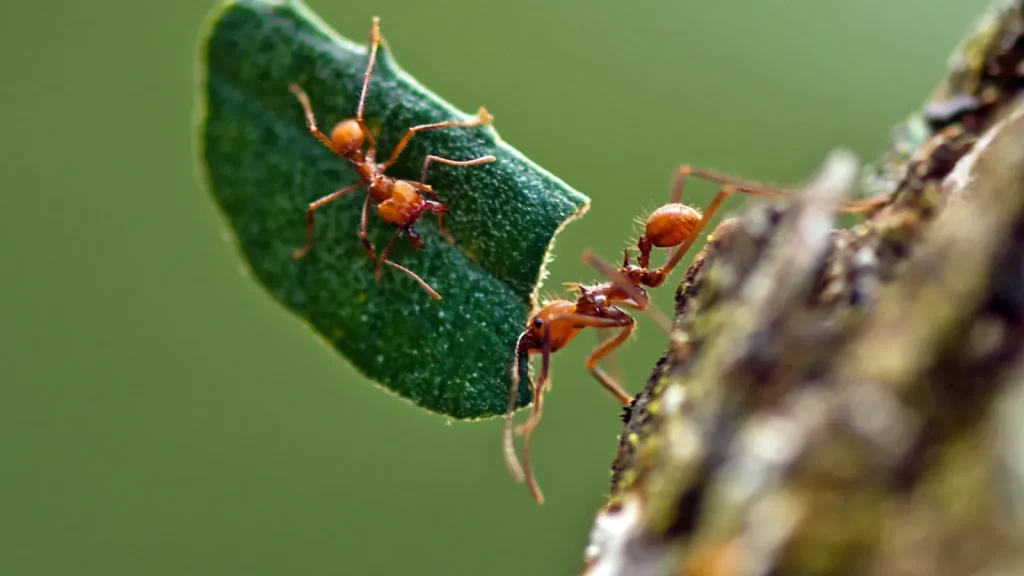
Leafcutter ants process fresh plant material to support cultivated fungi. Their food system includes specialised behaviour, fungal partners and defences against garden disease.
How Ocean Upwelling Feeds Some of Earth’s Richest Ecosystems
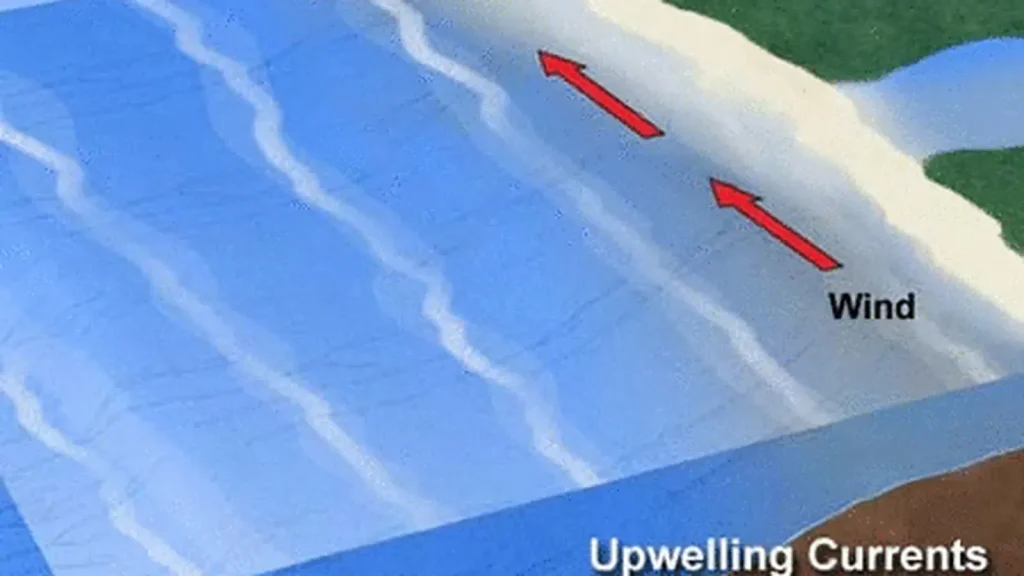
Upwelling brings subsurface water towards the surface, often carrying nutrients into the sunlit ocean. Its ecological effects also depend on light, timing and the water’s oxygen content.
How Rivers Create Meanders, Cutoffs and Oxbow Lakes
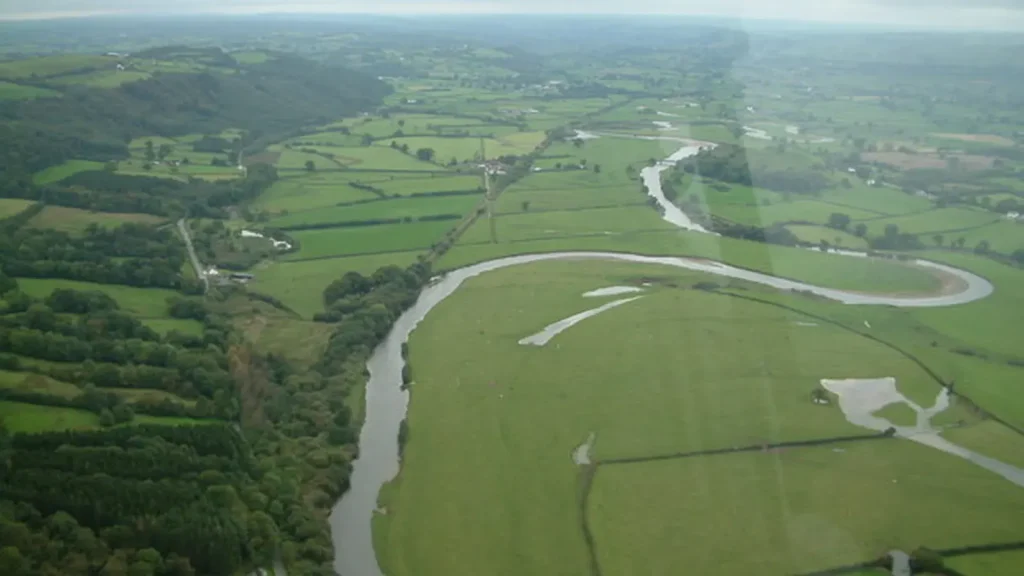
Meandering rivers reshape floodplains through erosion, sediment deposition and channel cutoffs. An oxbow lake is one stage in that evolving landscape, not a permanent abandoned loop.
How Lagrange Points Hold Spacecraft in Useful Orbits
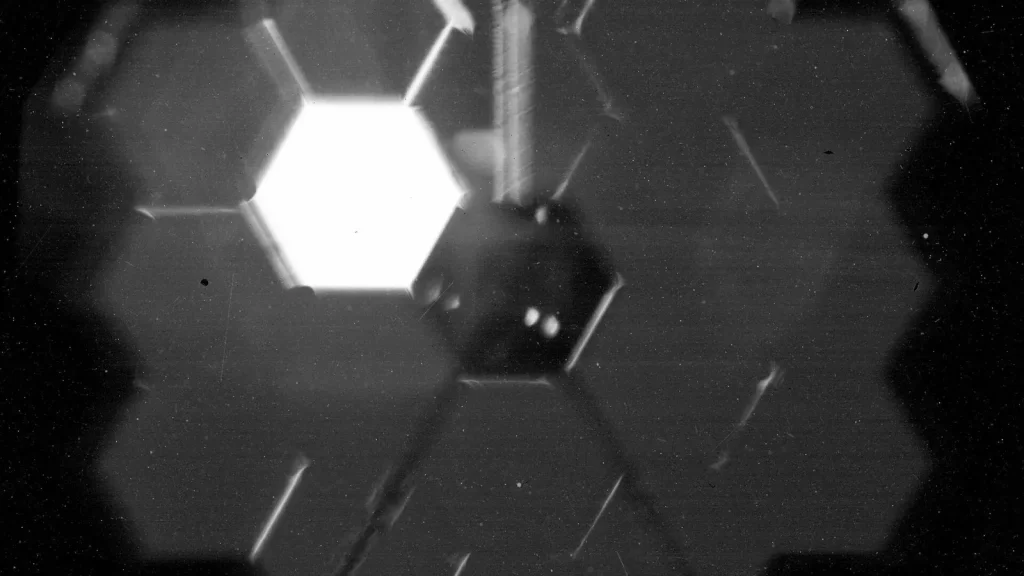
Lagrange points are equilibrium locations in a rotating orbital model. Spacecraft use nearby trajectories for useful observing geometry, with station-keeping at unstable points.
How Cold Clouds Collapse and Form New Stars
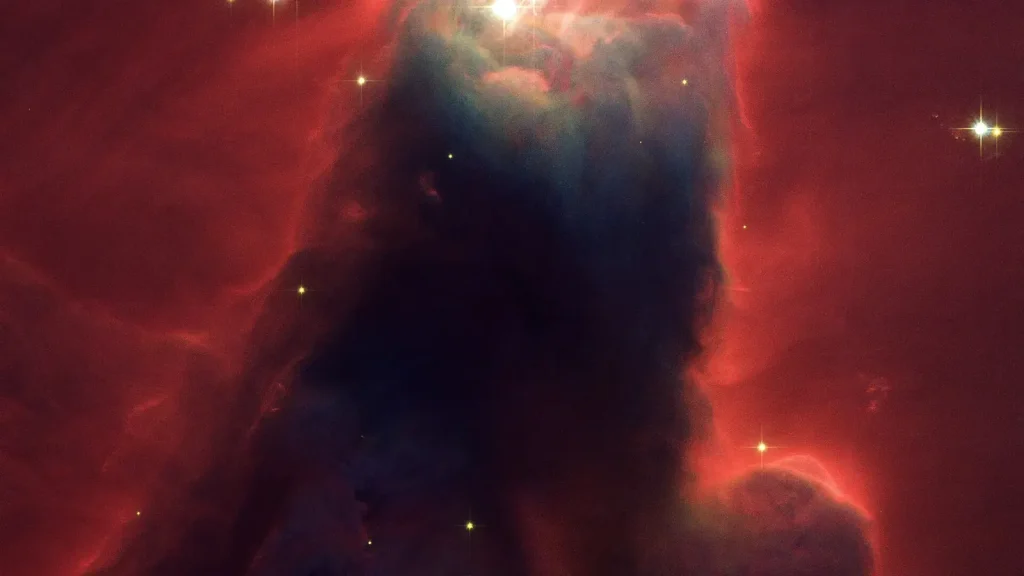
Stars begin in dense regions of cold gas clouds. Gravity drives collapse, while rotation, magnetic fields and feedback shape how material reaches a growing protostar.