
How Archaeologists Identify the Colours of the Ancient World
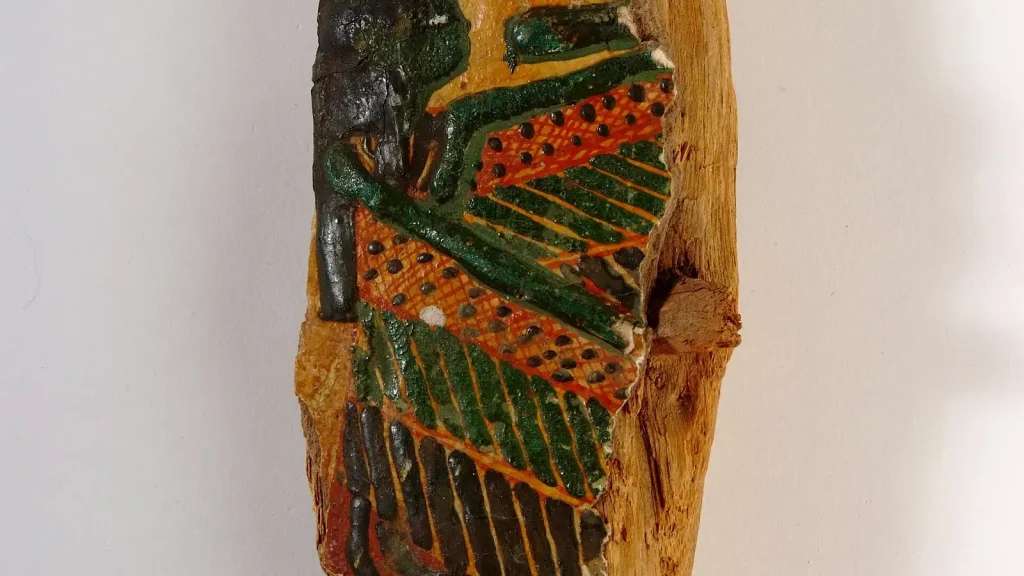
Ancient colour survives as materials, traces and altered layers. Imaging and spectroscopy help identify it, while reconstruction must distinguish evidence from interpretation.
Why Some Shipwrecks Survive for Centuries Underwater
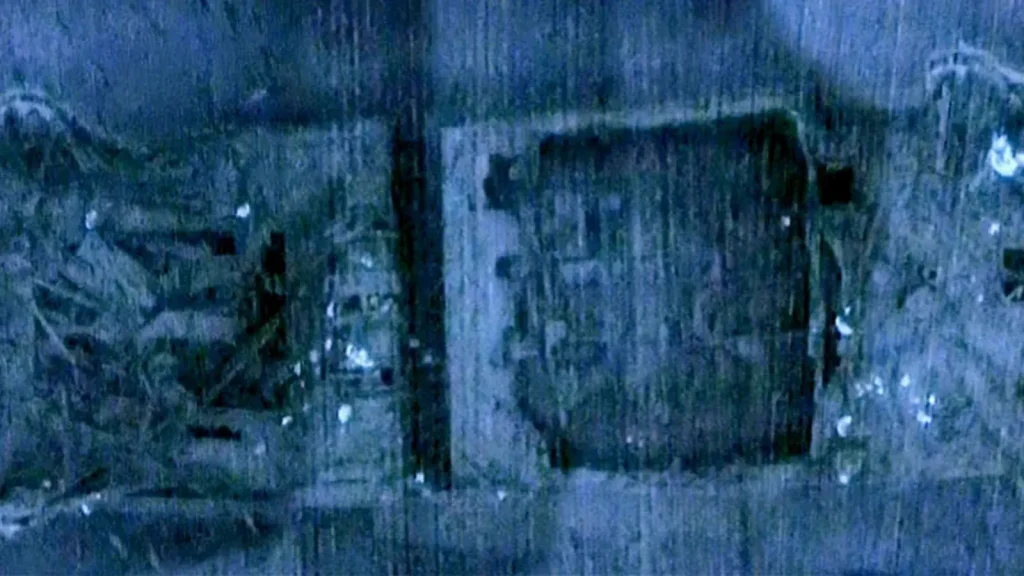
Shipwreck preservation depends on materials, burial and the surrounding water. Raising a wreck changes those conditions and can create a demanding new conservation problem.
How Data Compression Makes Files Smaller
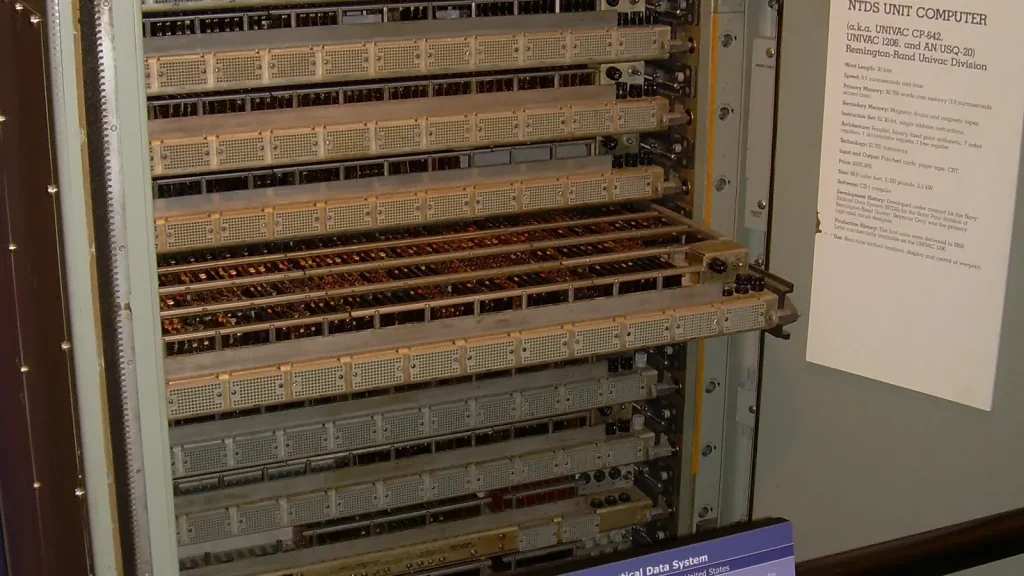
Compression represents data using fewer bits when its structure permits it. Lossless methods restore the original exactly; lossy methods trade information for smaller files.
How Bones Continually Rebuild Themselves
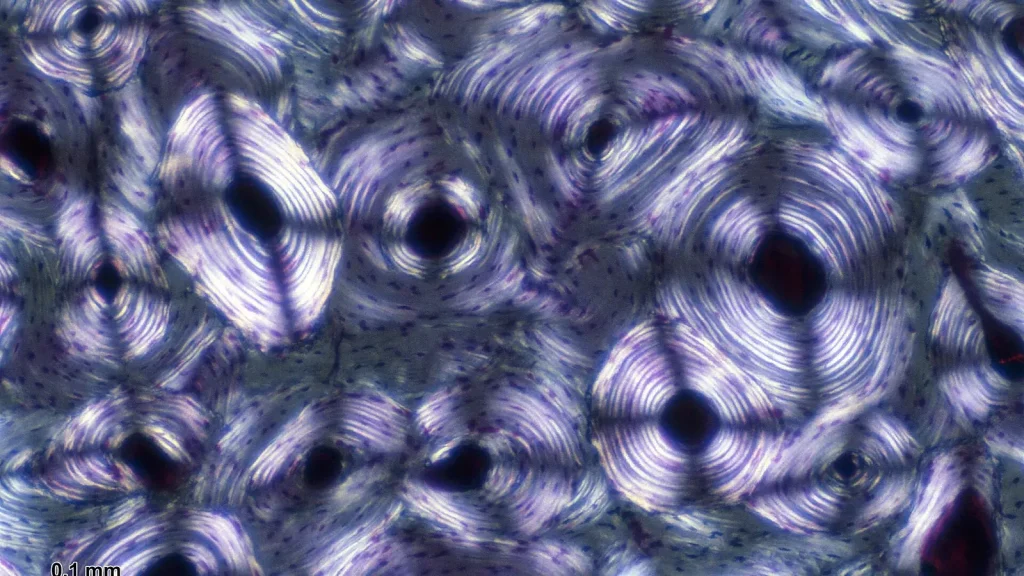
Bone is living tissue that continually removes small areas of old material and replaces them with new tissue through coordinated cellular activity influenced by loading, hormones and mineral balance.
How LEDs Turn Electricity into Light
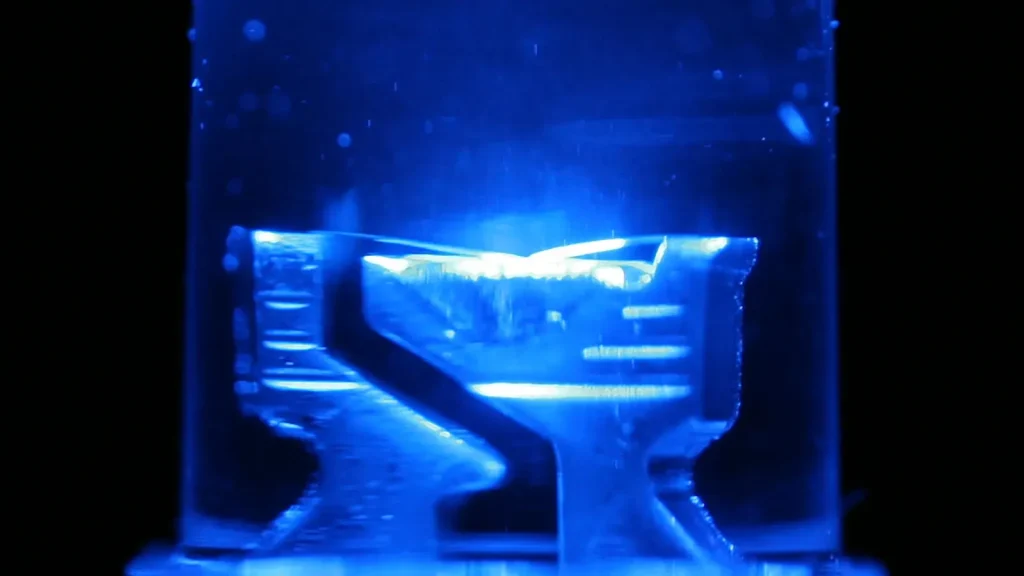
LEDs emit light when charge carriers recombine in a semiconductor. Materials determine the emitted spectrum, while phosphors, electronics and thermal design shape a working lamp.
How the Brain Identifies Thousands of Smells
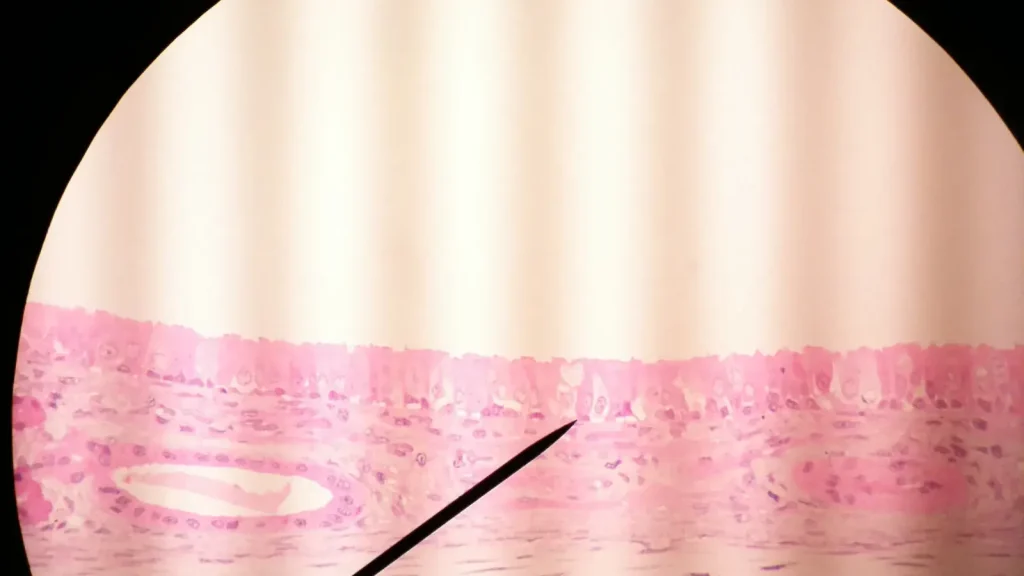
Odour molecules activate combinations of receptors in the nose, creating patterns that the olfactory bulb and connected brain regions interpret in the context of memory, attention and experience.
What Causes Earthquakes?

Most earthquakes occur when stress built up by tectonic motion overcomes friction on a fault, causing rocks on either side to slip suddenly. The rupture releases stored elastic energy as seismic waves, which produce the shaking measured at Earth’s surface.
How Do Magnets Work?

Magnets work through the electromagnetic interaction. Moving electric charges and intrinsic properties of electrons create magnetic moments and fields. In permanent magnets, many atomic-scale moments align in regions called domains, producing a persistent field with north and south poles.
How Does Wi-Fi Work?
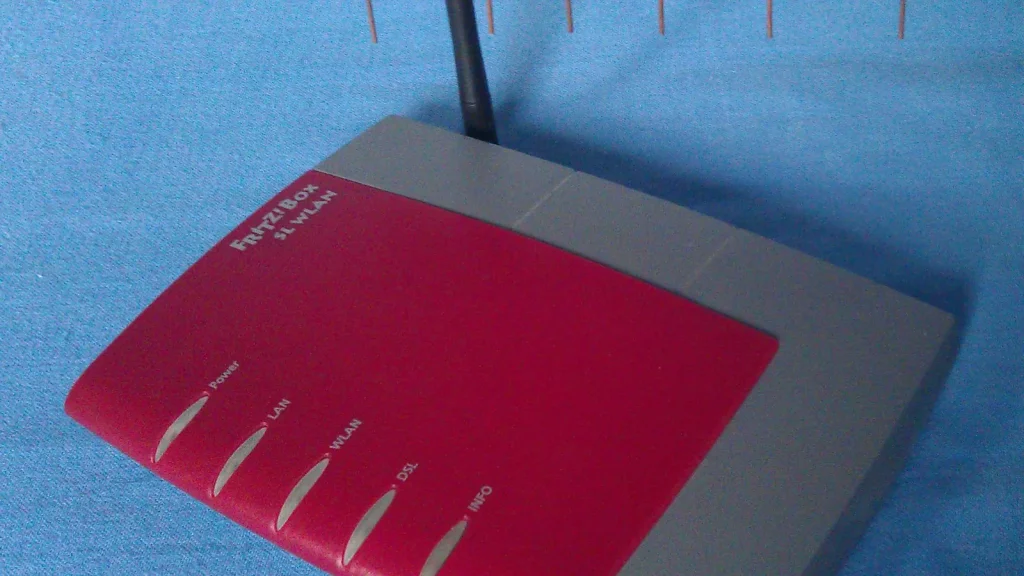
Wi‑Fi lets nearby devices exchange digital information using radio waves and networking rules from the IEEE 802.11 family of standards. A router or access point converts data into carefully modulated radio signals, devices decode them, and internet-bound traffic continues through the router’s wired or wireless connection to a wider network.
Why Do We Get Hiccups?
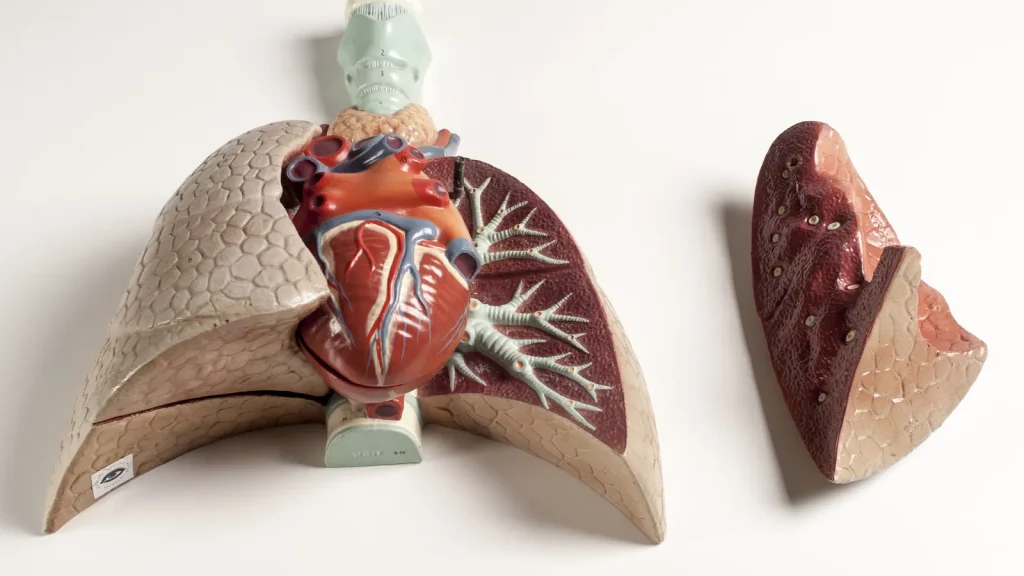
A sudden breathing-muscle contraction followed by closure of the voice box produces the familiar hic. Most episodes are brief; persistent hiccups deserve medical attention.