
Why Do We Dream?
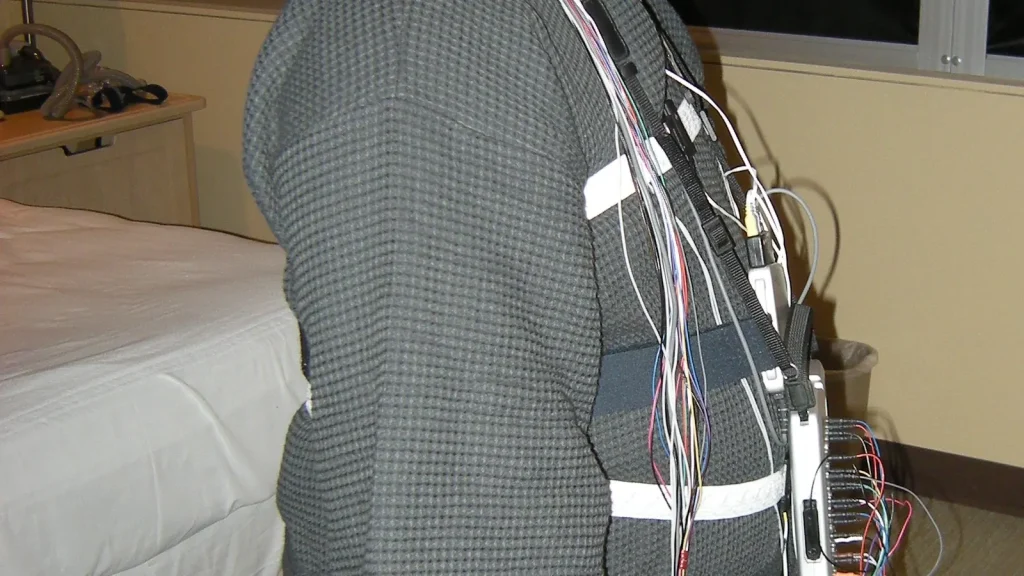
Scientists can describe when dreams occur and which brain systems are active, but there is no single proven reason that humans dream. Dreams occur in both REM and non-REM sleep and may reflect memory processing, emotion, prediction and the brain’s tendency to construct experiences from internally generated activity.
What Causes Ocean Tides?
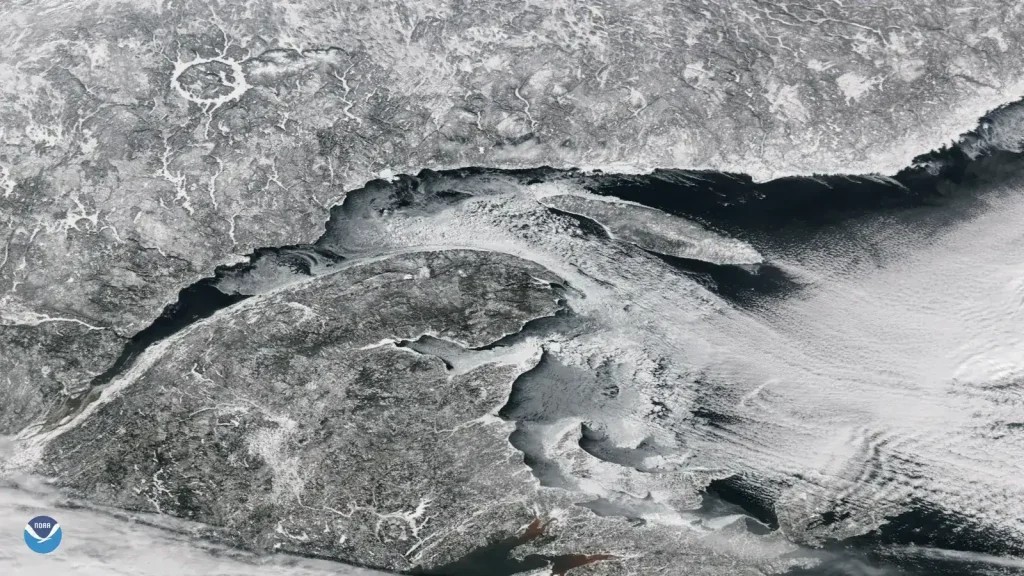
Ocean tides are long-period changes in sea level driven mainly by differences in the Moon’s gravitational pull across Earth, with an important contribution from the Sun. Earth’s rotation, ocean-basin shape, water depth, coastlines and weather determine the timing and height observed at a particular shore.
How Do Airplanes Stay in the Air?
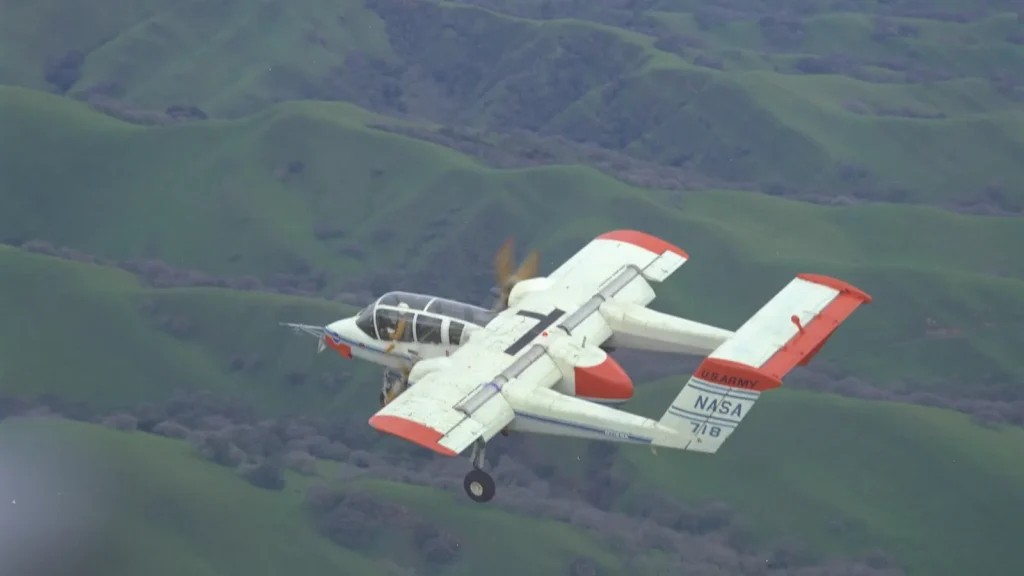
An airplane stays aloft when motion through the air and the shape and angle of its wings create enough aerodynamic lift to balance its weight. Engines provide thrust to overcome drag and maintain the airflow, while control surfaces let the pilot change the aircraft’s attitude and path.
Why Do Leaves Change Colour in Autumn?

Leaves change colour as deciduous trees prepare for winter. Shorter days help trigger senescence, chlorophyll production stops and green pigment breaks down, revealing yellow and orange carotenoids. Some species also make red anthocyanins, while later chemical changes and drying produce brown tones.
How Woodpeckers Withstand Repeated Impacts

Woodpeckers strike wood with a head that acts as a stiff hammer. Biomechanical research challenges the familiar story that the skull simply cushions every impact.
How Stalactites and Stalagmites Record Underground Time
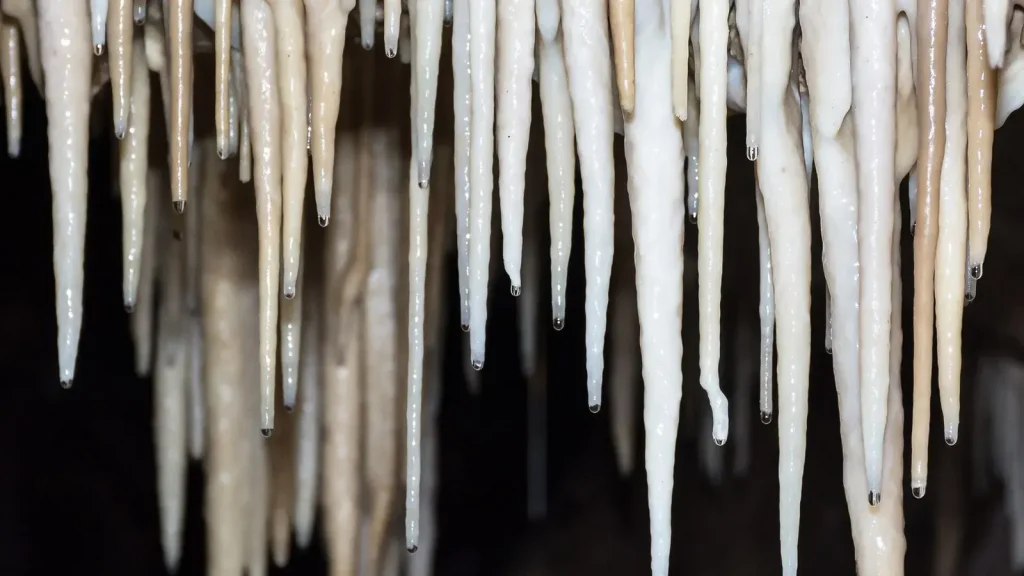
Cave deposits can preserve dated chemical records of past environments. Growth layers are useful archives, but their chemistry must be interpreted through the cave’s water system.
How Solar Sails Travel Using Light
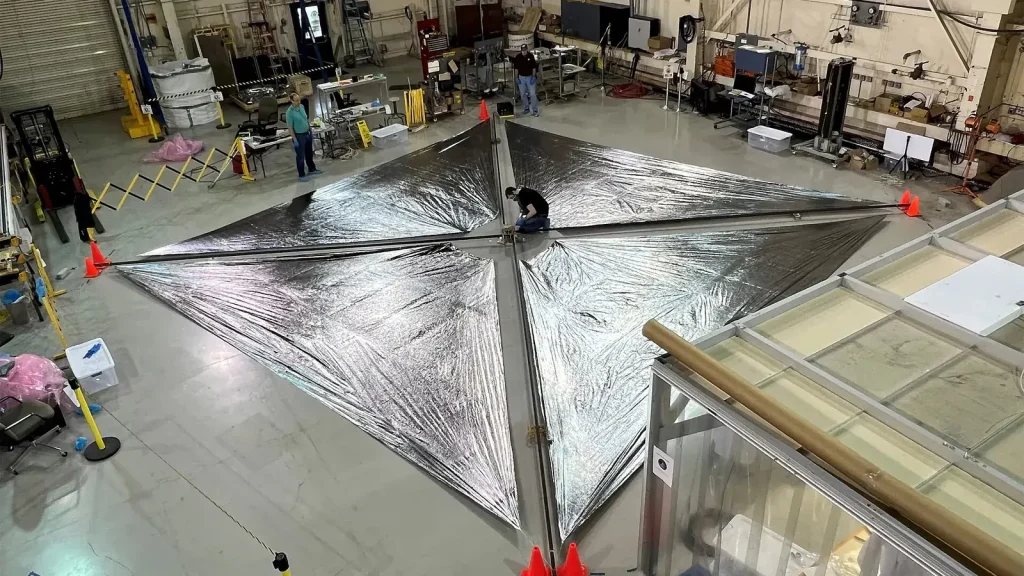
Solar sails gain thrust when light transfers momentum to a reflective surface. Their small continuous force can change an orbit, provided a spacecraft controls its sail and survives the environment.
How Gravity Turns Galaxies into Cosmic Lenses
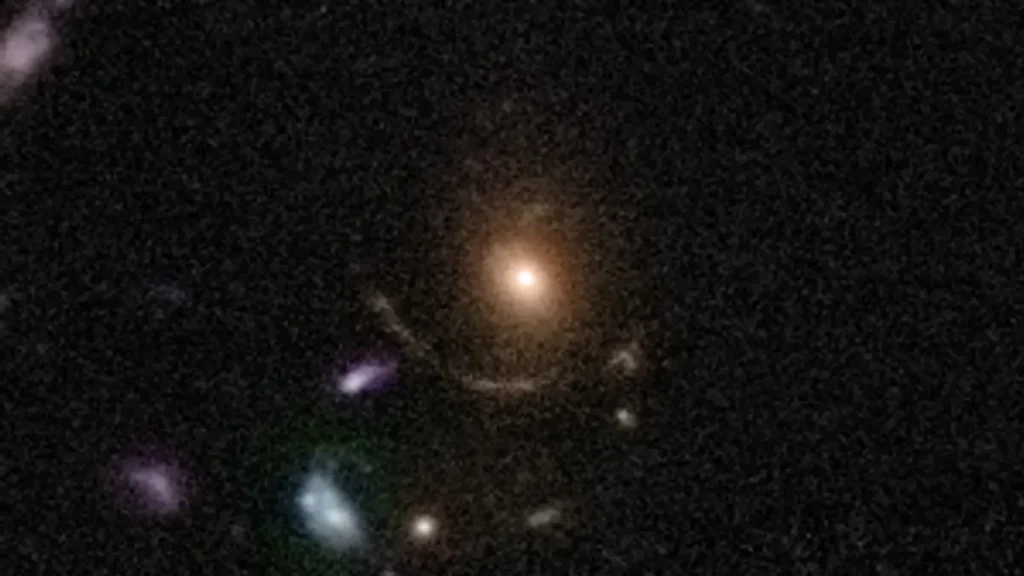
Mass bends spacetime and therefore the paths of light, allowing galaxies and clusters to magnify, distort or multiply the images of more distant objects behind them.
How Used Lithium-Ion Batteries Become New Materials

Battery recycling separates and recovers valuable materials through several routes. The chemistry of the input and purity of the output determine what can become useful again.
How Immune Memory Recognizes a Returning Infection
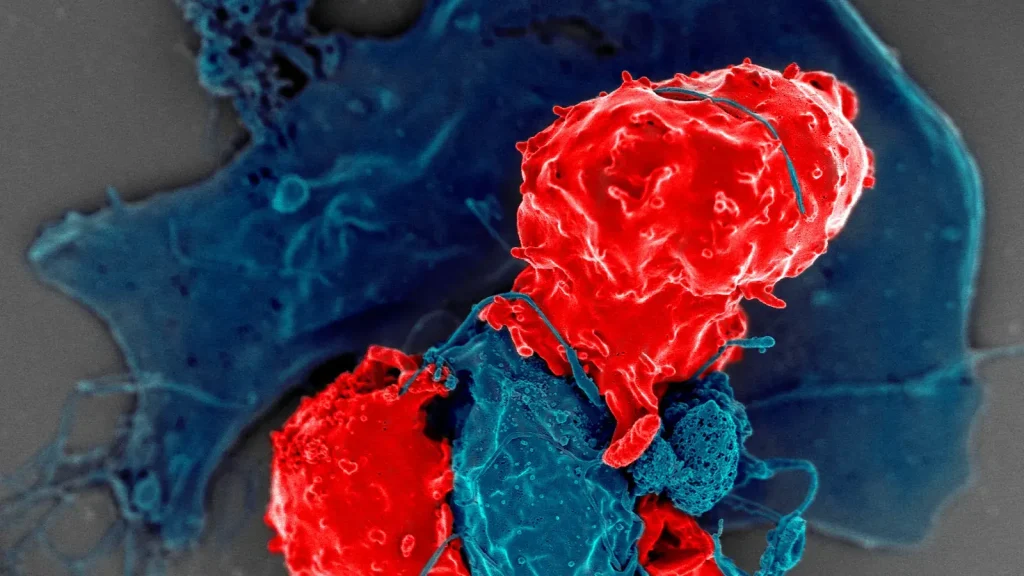
After many infections or vaccinations, selected B and T cells persist or leave long-lived descendants that can respond more rapidly when they encounter familiar molecular targets again.