

What Does “Statistically Significant” Really Mean?

Statistical significance does not mean a result is important, large or probably true. It answers a narrower question—and makes sense only beside study design, effect size and uncertainty.
How Scientific Consensus Forms—and Why It Can Change
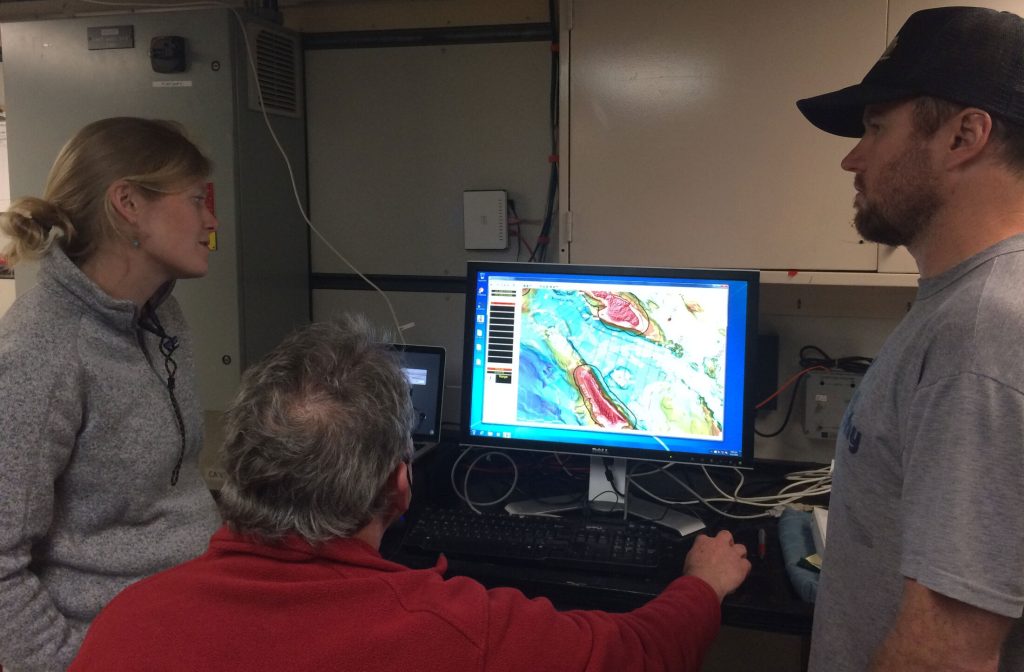
Scientific consensus is not a popularity contest. It emerges when specialists repeatedly test ideas, challenge evidence and find that some explanations survive better than their rivals.
What Is a Scientific Preprint?

A preprint lets researchers share a manuscript before journal peer review. That speed can accelerate discussion—but it changes what readers should expect and how reporters should describe the findings.
Correlation vs. Causation: How to Tell the Difference
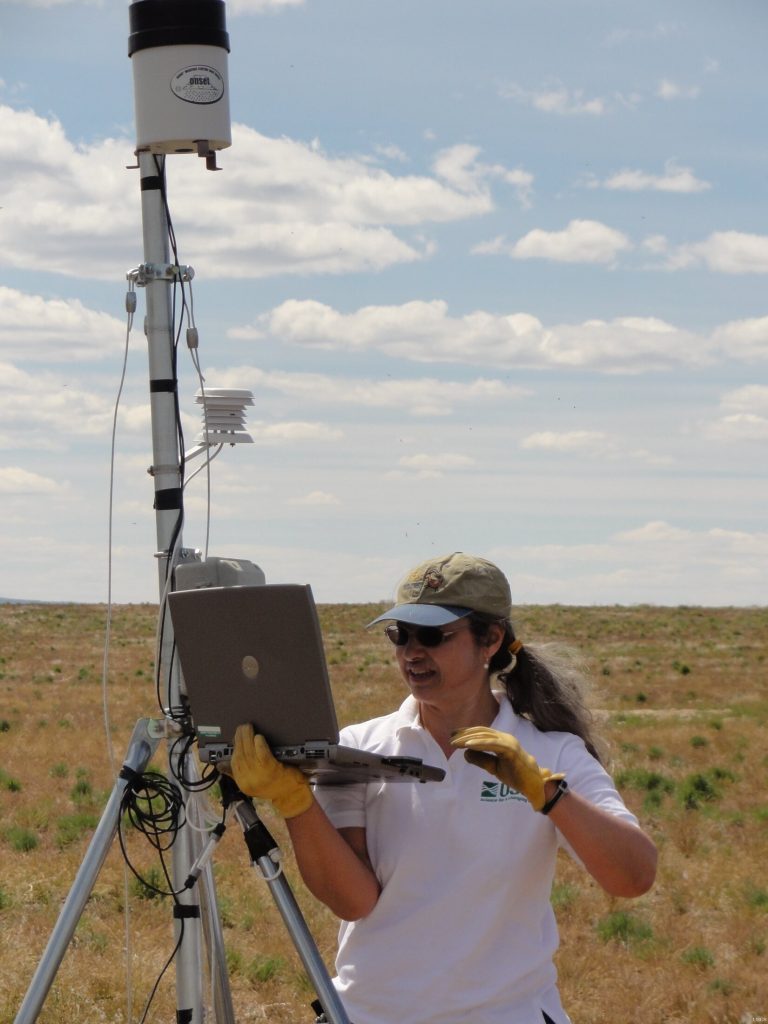
When two things change together, one may cause the other—or the pattern may reflect reverse causation, confounding, selection or chance. This guide shows how to tell the possibilities apart.
How Scientific Discovery Works: Evidence, Testing and Uncertainty
Science advances by turning questions into testable ideas, confronting them with evidence and revising what we think we know. Here is how that process really works—and why uncertainty is a strength, not a flaw.
What Is Peer Review—and What Can It Actually Tell Us?

Peer review can improve a scientific paper, but it is neither a truth machine nor a guarantee. Here is what reviewers examine, what they can miss and how readers should use the label.
How to Evaluate New Scientific Discoveries and Headlines
A dramatic headline is only the beginning. Use this practical method to inspect the original evidence, measure uncertainty and decide what a new study actually deserves you to believe.
The Strange Physics Behind Why Time Moves Differently
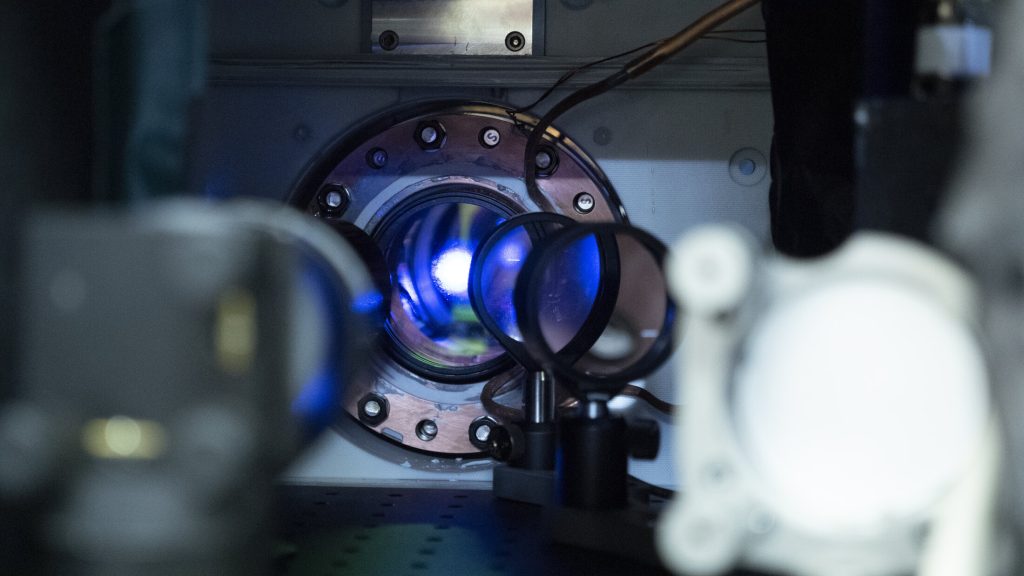
Motion and gravity change how much time clocks accumulate. Atomic clocks now detect the difference across distances as small as a millimeter.
Why Octopuses Seem So Unusually Intelligent

Octopus intelligence evolved on a radically different branch of life, with flexible behavior distributed across a central brain, eyes, skin and eight neural arms.
What Would Happen If You Fell Into a Black Hole?
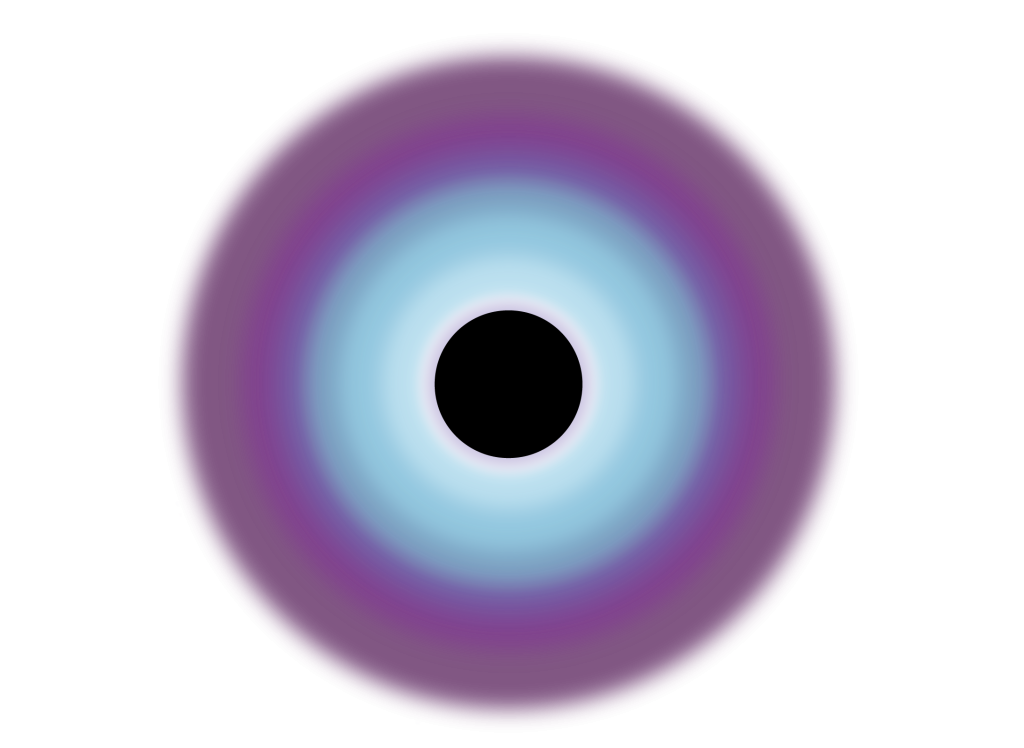
A journey across an event horizon depends on the black hole—and on who is watching. Relativity makes both viewpoints stranger than fiction.