
How Does the Early Spider Orchid Lure Male Bees?
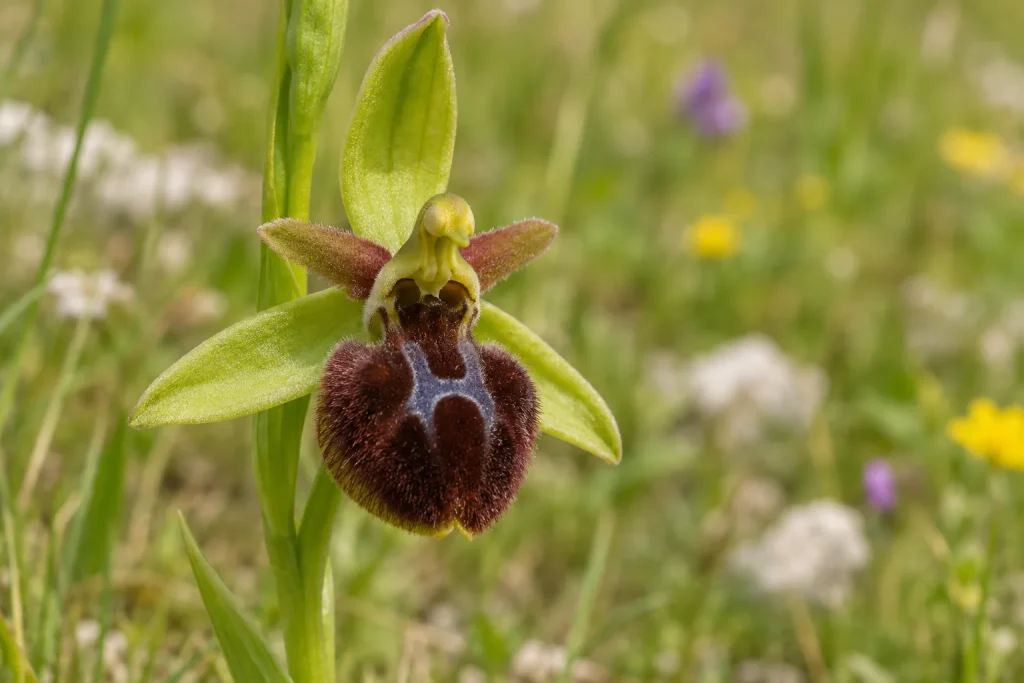
People see a spider in the flower’s dark lip. A male mining bee encounters something quite different, a chemical signal close enough to a mate’s scent to send pollen on its way.
How Does a Hurdy-Gurdy Make Music?
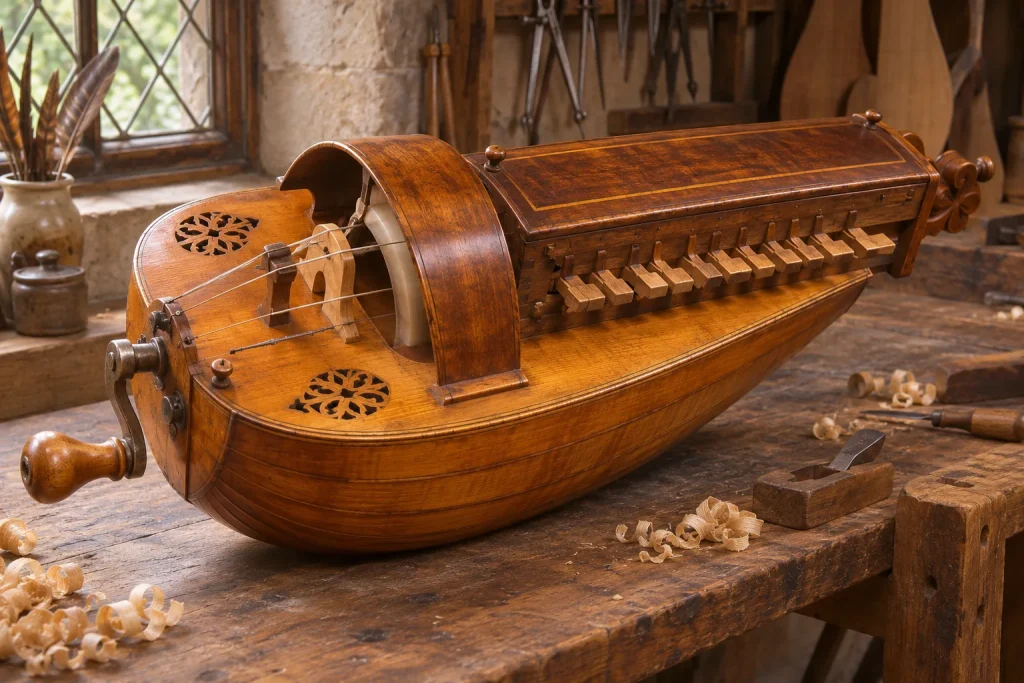
One hand turns a crank while the other plays the keys. Inside the instrument, a rotating bow, wooden tangents and a loose bridge give each hand more than one musical job.
Why Do Some Postcards Change Pictures When You Tilt Them?
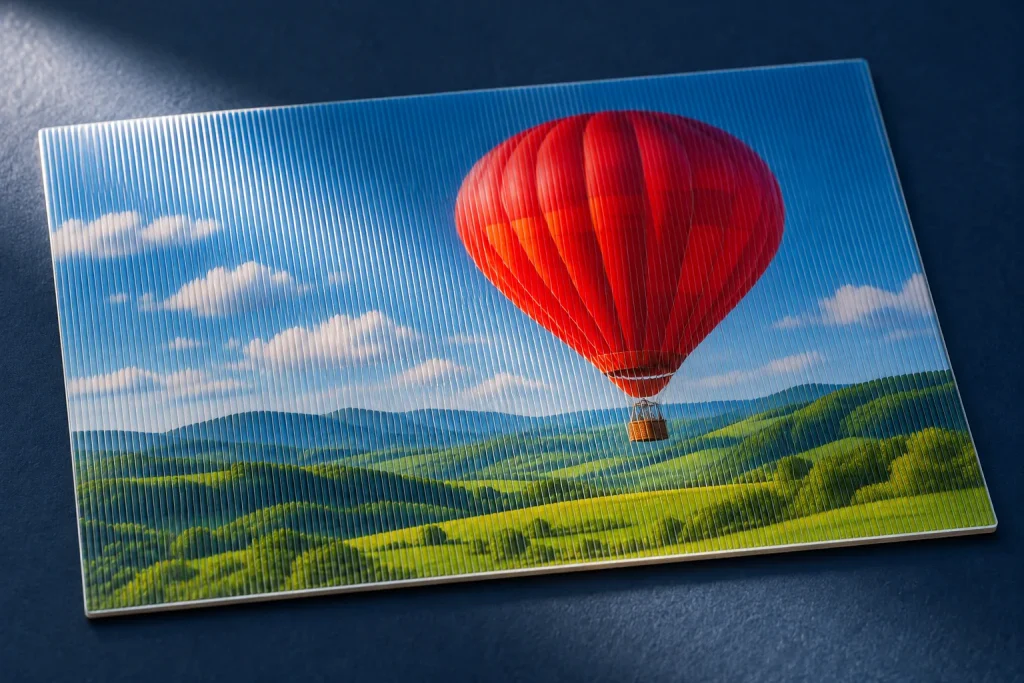
The ridges on a novelty postcard do more than give it texture. Each acts as a lens, directing a different strip of the printed picture towards you as the angle changes.
How Do Cave Pearls Form in Limestone Pools?
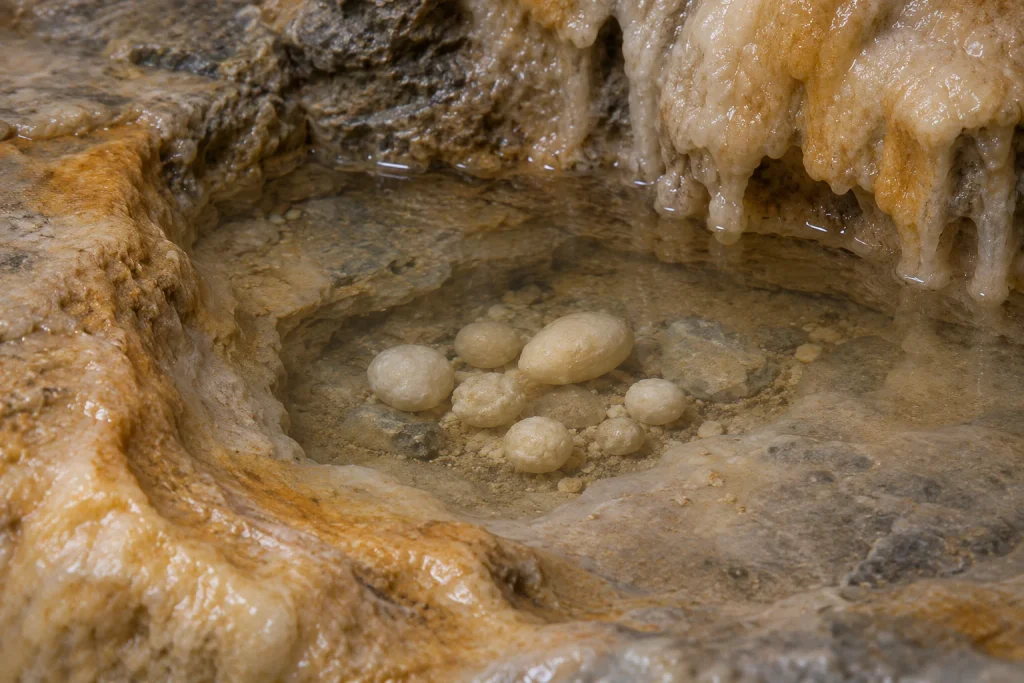
A pale bead in a cave pool can grow around a grain of sand or a broken lamp. The coating records mineral growth while the centre can preserve a much older story.
How Did a Blinking Star Reveal the Rings of Uranus?
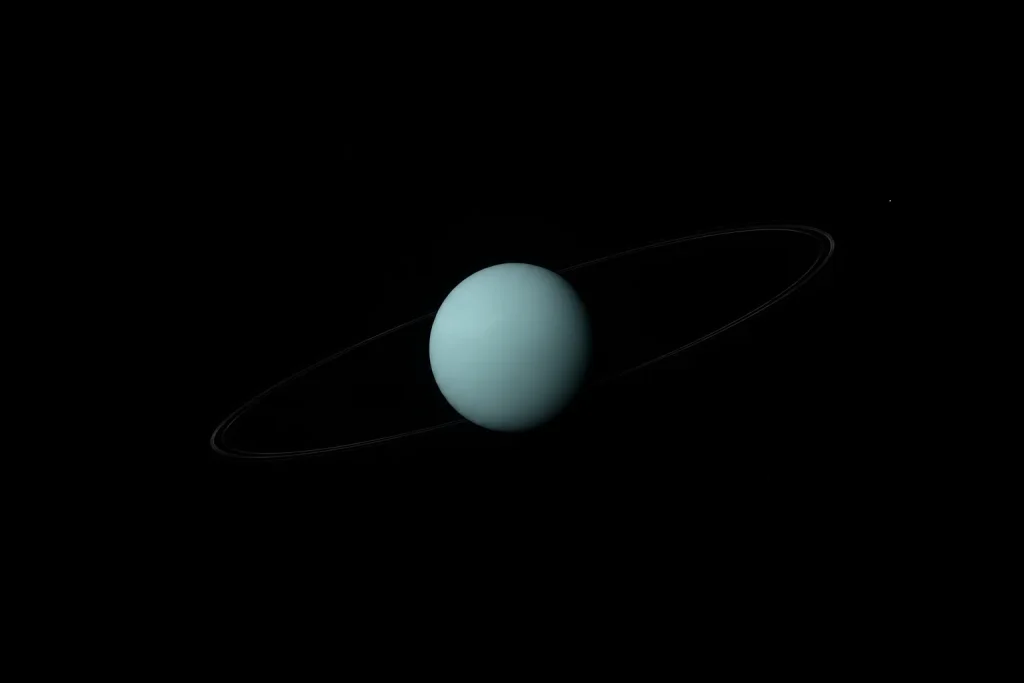
The main event was supposed to be a star disappearing behind Uranus. Five pairs of brief dips on either side became the more unexpected discovery.
Why Do Male Fiddler Crabs Have One Giant Claw?
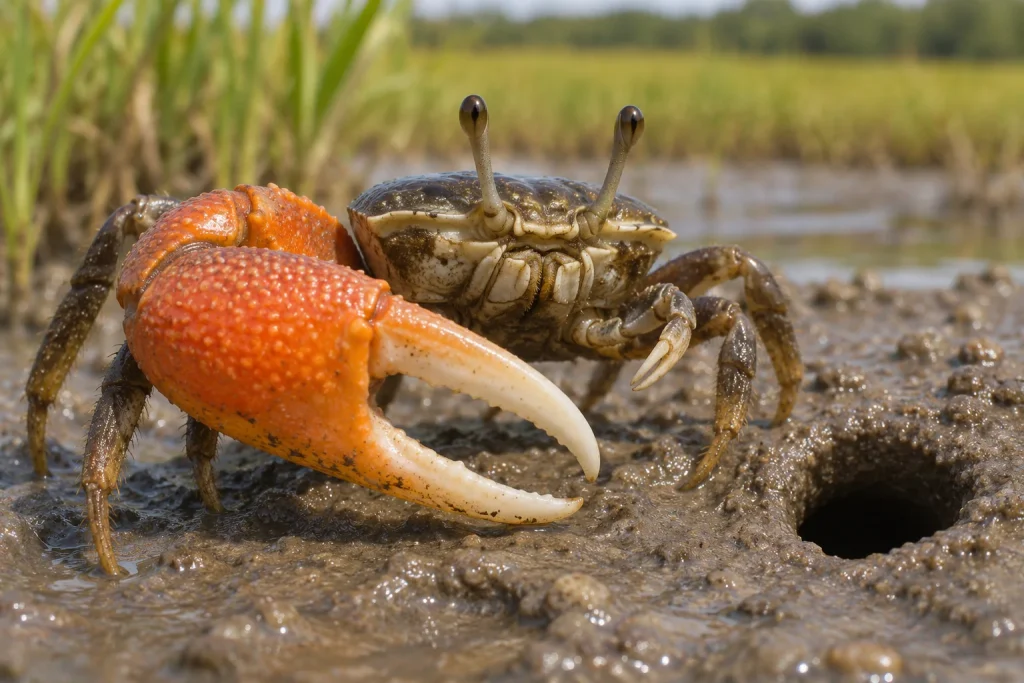
The bigger claw draws your eye. The tiny claw delivering food and the neighbour beginning his wave a moment earlier explain what life on the mudflat demands.
How Does a Player Piano Read Holes in Paper?

A row of openings can hold a chord before anyone hears a sound. The roll carries the timing, the pedals supply energy, and the instrument in the room makes the music.
How Does a Teleprompter Hide the Script From the Camera?

The words seem to hang in front of the lens. A tilted sheet of glass, an upward-facing monitor and two different light paths explain why viewers never see the script.
How Does Wind Carve Desert Ridges Called Yardangs?
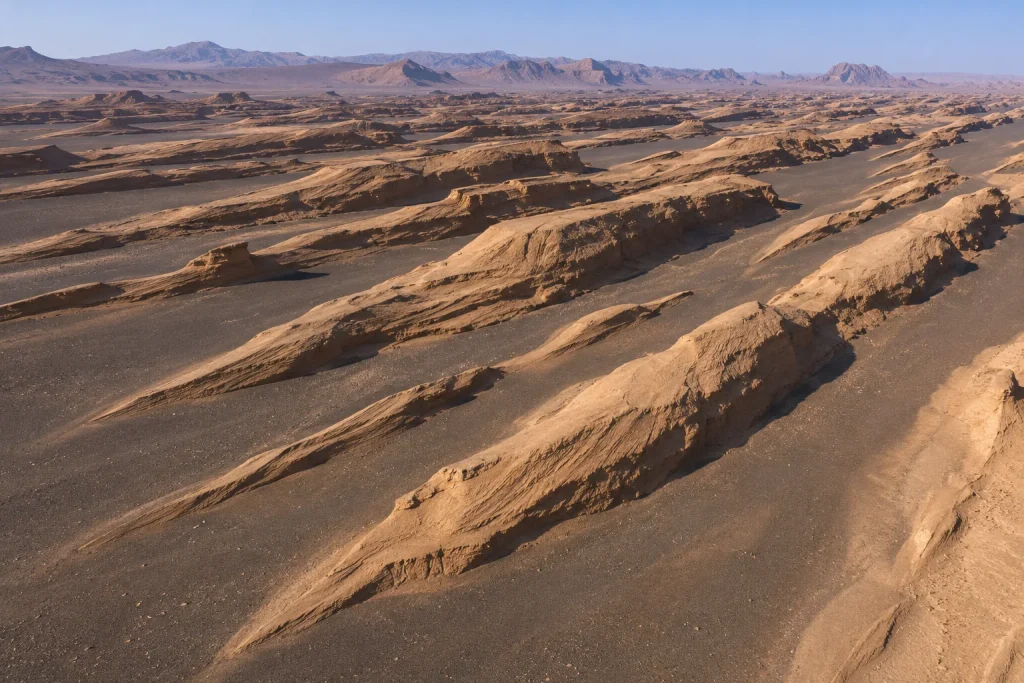
Some desert hills gain relief even as their summits wear down. The parallel ridges of the Lut Desert show how much of a landscape can be explained by what has blown away.
What Causes Moonquakes, and Why Can the Shaking Last So Long?
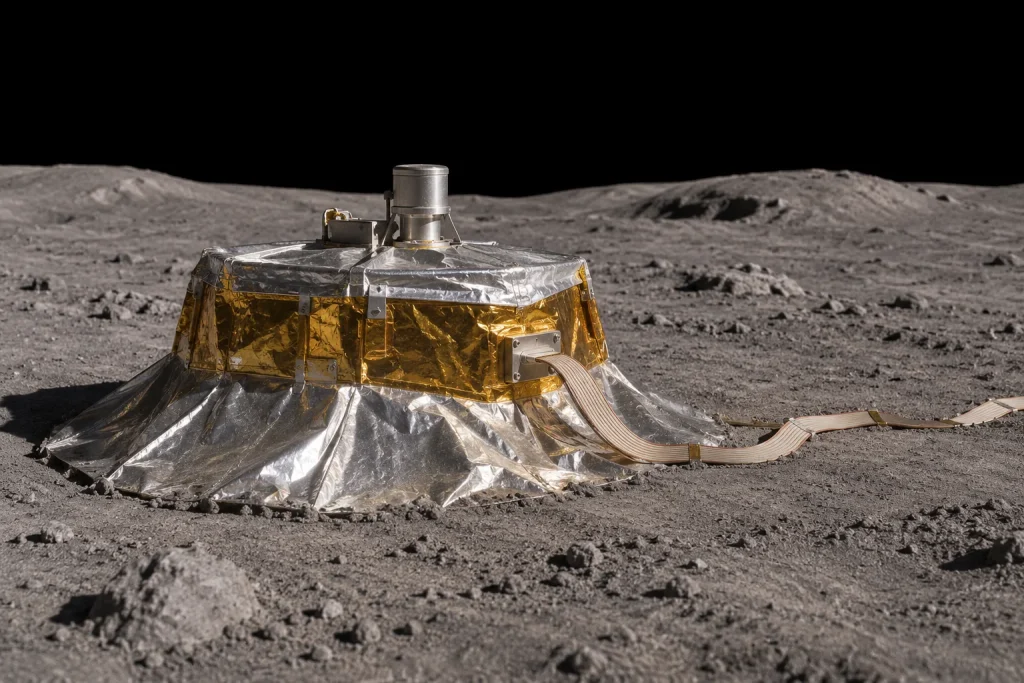
A spent spacecraft struck the Moon in an instant. A seismometer recorded the aftermath for nearly an hour, revealing as much about the lunar ground as about the collision.