
Why Can Pumice Float for Months?
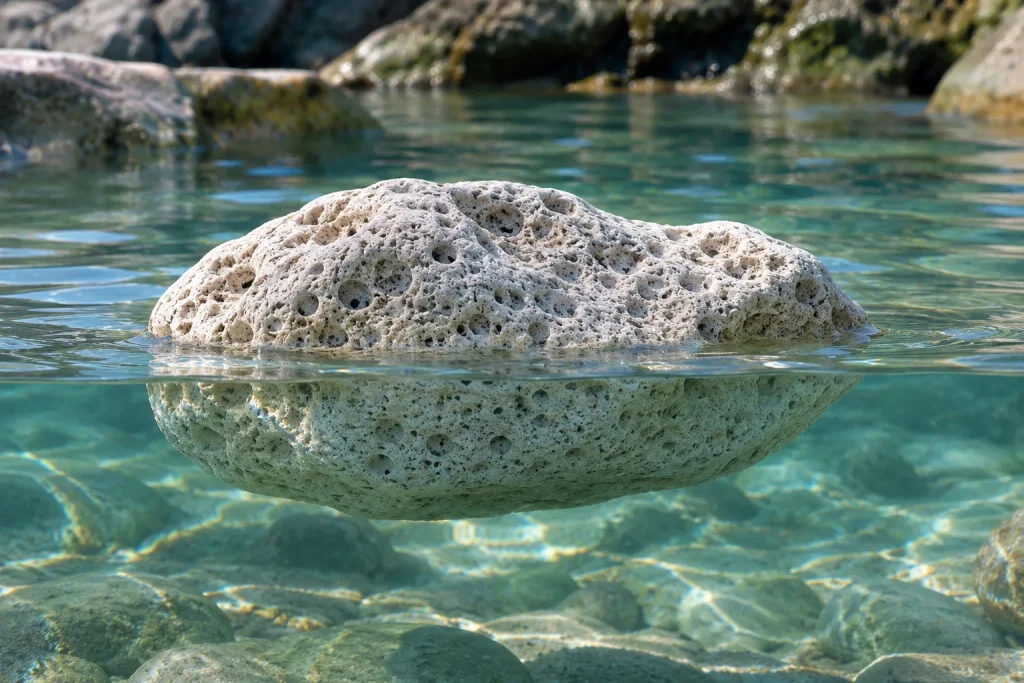
A floating stone can already be full of wet passages. X-ray experiments reveal why some bubbles stay trapped inside.
How Do Punched Cards Guide a Jacquard Loom?
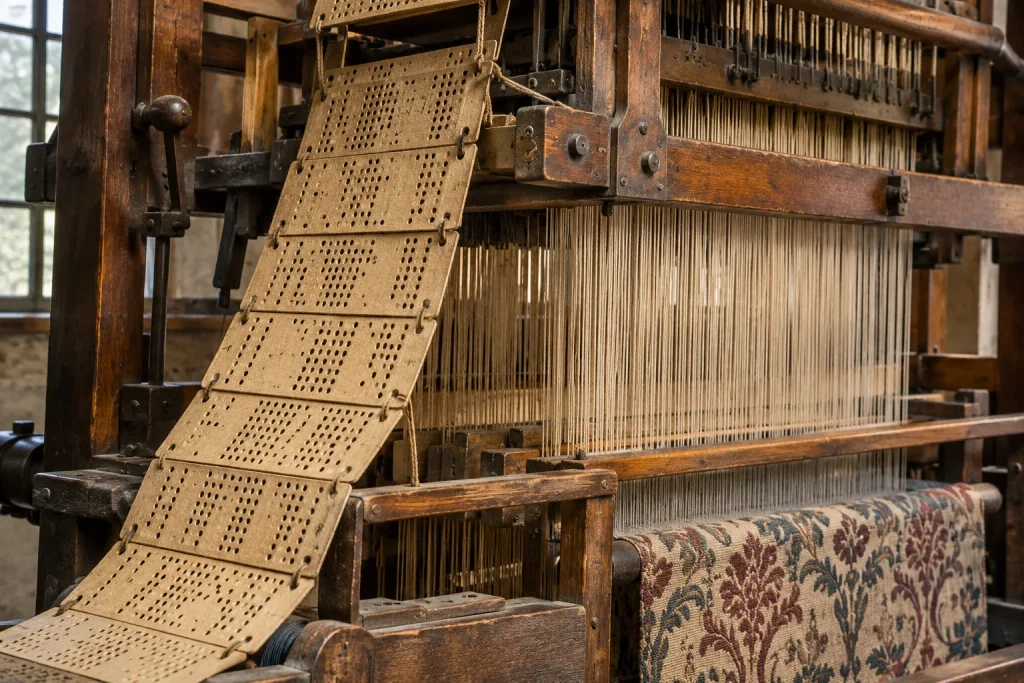
One rectangle of stiff card selects threads for one pass of yarn. A chain of cards can save an entire woven pattern.
Why Do Lenticular Clouds Stay in One Place?
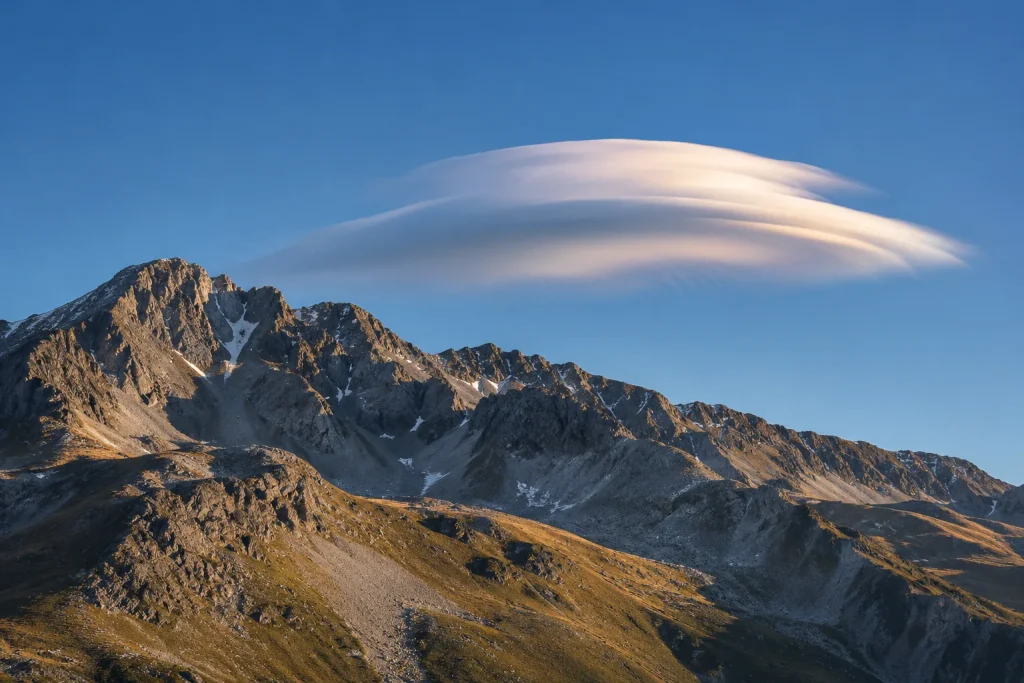
Wind moves through a lenticular cloud even while its outline seems fixed over a mountain. The shape marks the part of a wave where water becomes visible.
How Do Barnacles Eat While Attached to a Rock?
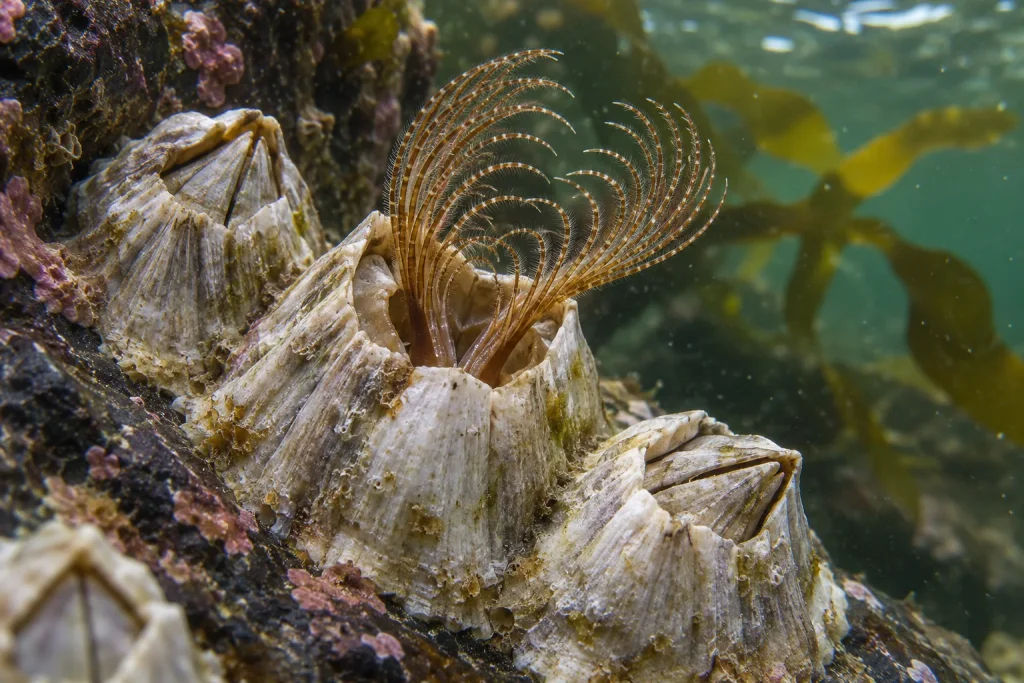
An acorn barnacle spends adult life anchored in place. Underwater, a fan of jointed limbs reaches out to intercept its next meal.
Why Do Stars Leave Curved Trails in Photos?
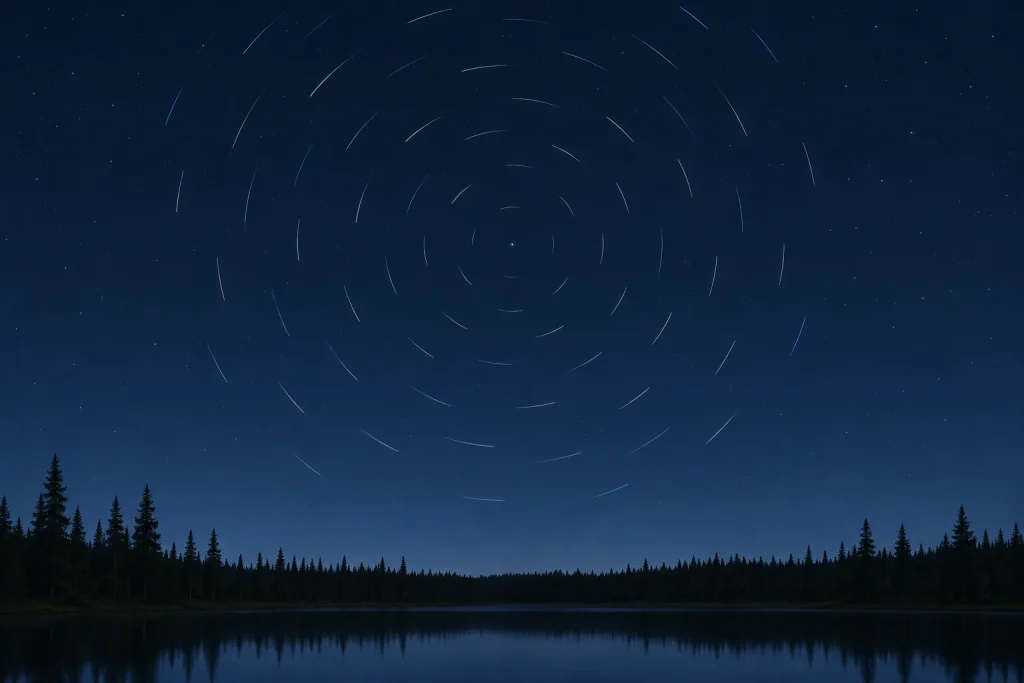
A fixed tripod turns with Earth. Give a camera enough time and distant stars trace the geometry of that rotation above a stationary landscape.
How Do Dinosaur Footprints Become Fossils?
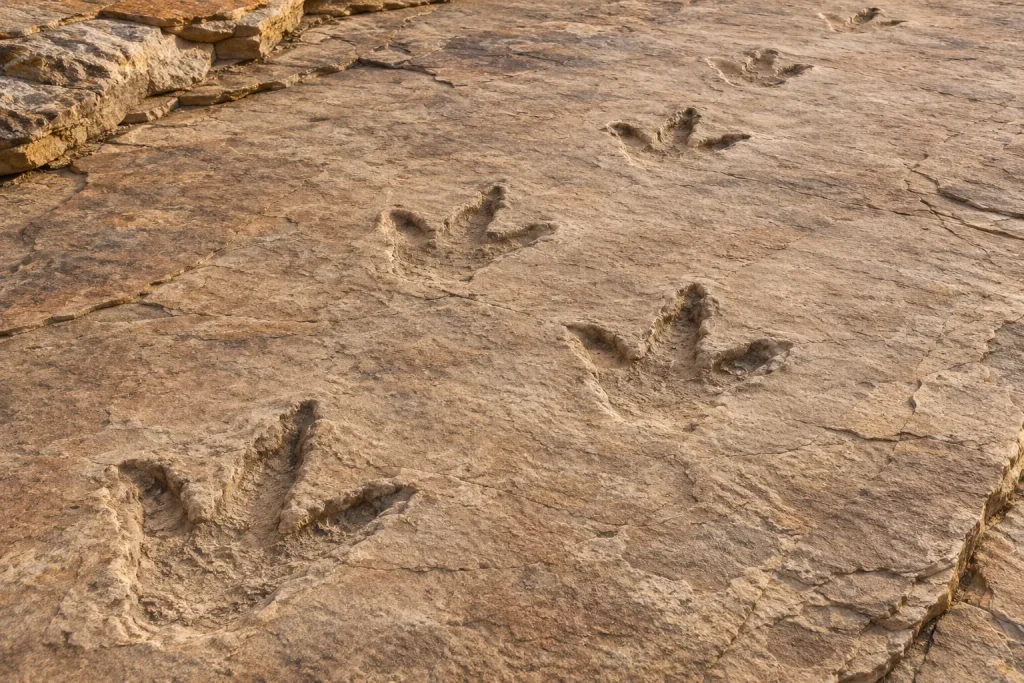
A fossil footprint can stick out of a cliff face. The shape depends on which part of a buried step survived to meet the light again.
Why Do Figure Skaters Spin Faster When They Pull Their Arms In?
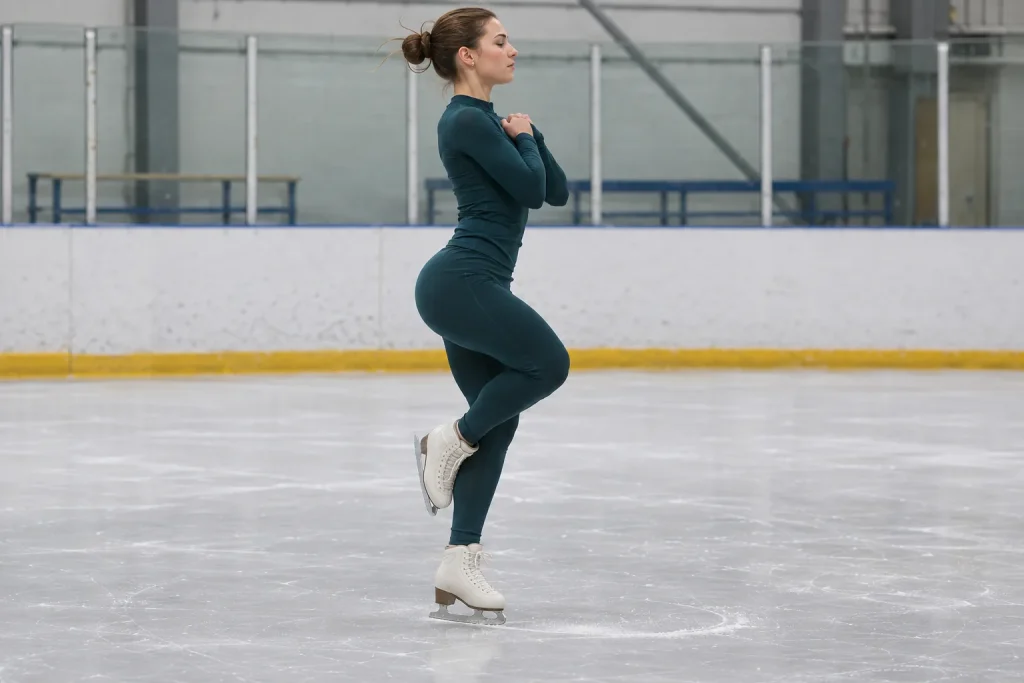
A skater can double her rotation rate without another push. The clue is how far each part of her body sits from the spin axis.
Why Do Comet Tails Point Away from the Sun?
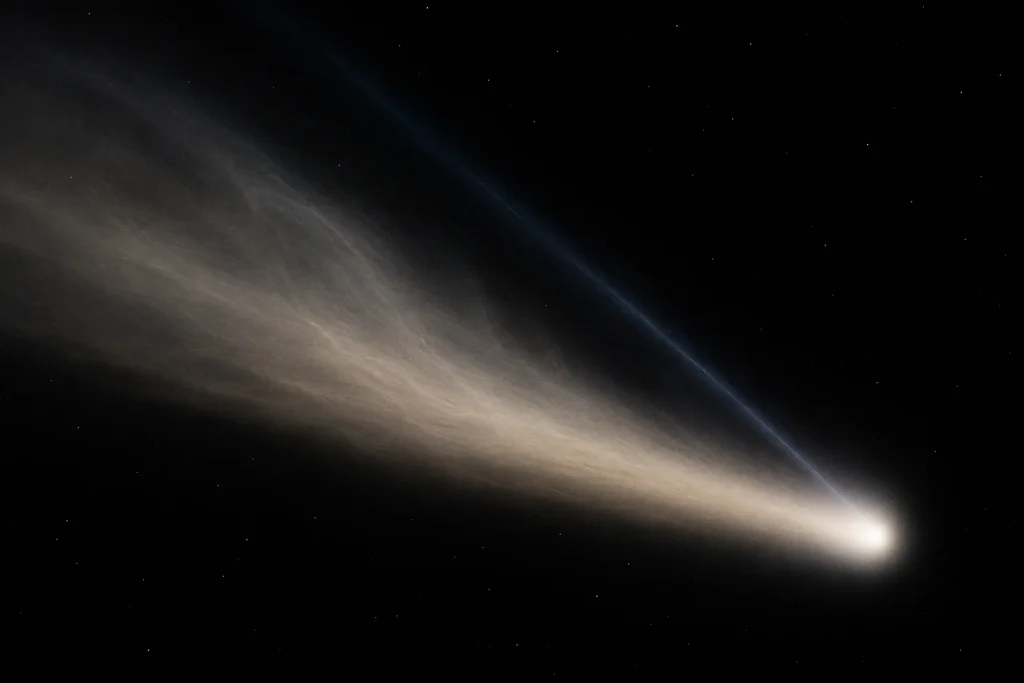
A comet can grow two tails from a single head. Sunlight and the solar wind send the material on different paths.
Why Does a Cyanotype Turn Blue?
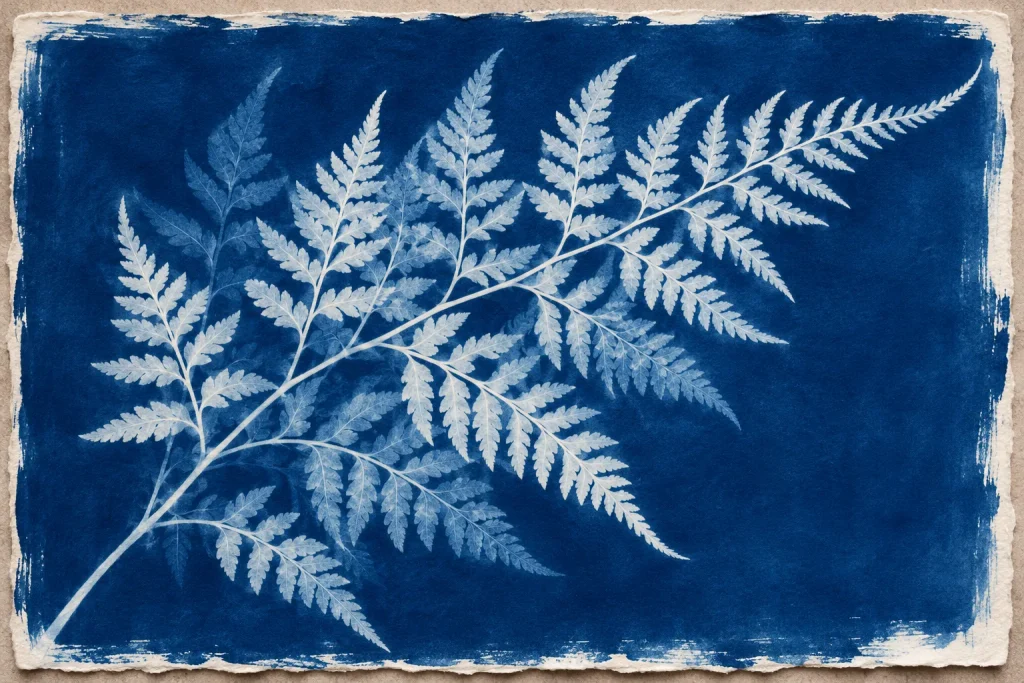
On a botanical sun print, the plant makes the light areas. An iron-based pigment forms where light can reach the coated sheet.
How Do Porcupine Quills Work?
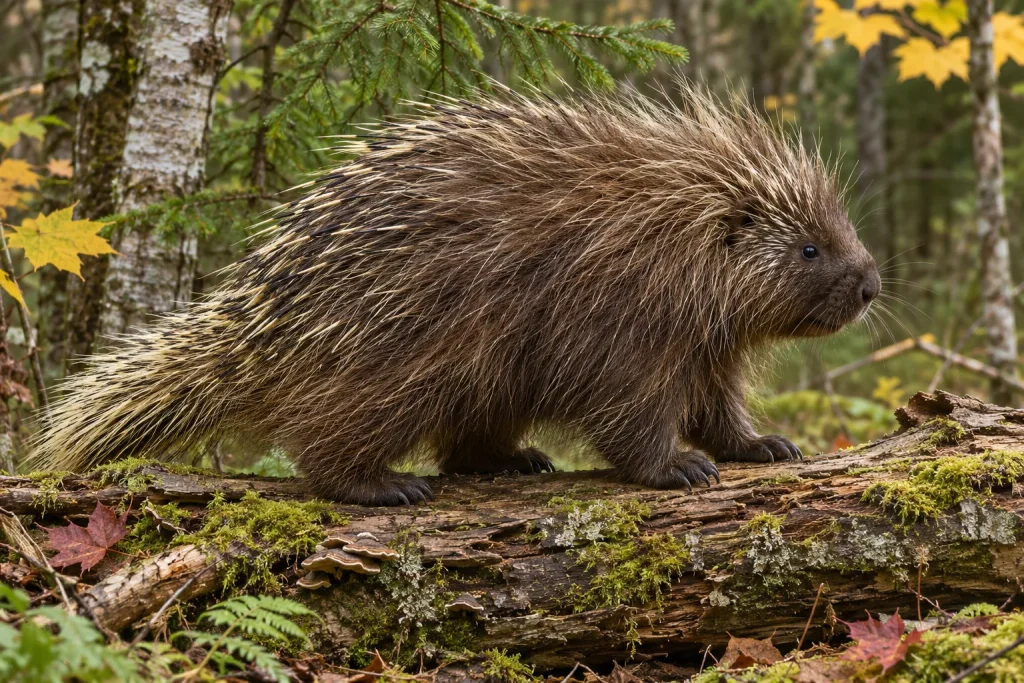
A quill changes hands in a moment of contact. The root releases from the porcupine while the tiny barbs at the other end help the quill stay put.