
Why Do Some Rivers Split into Braided Channels?
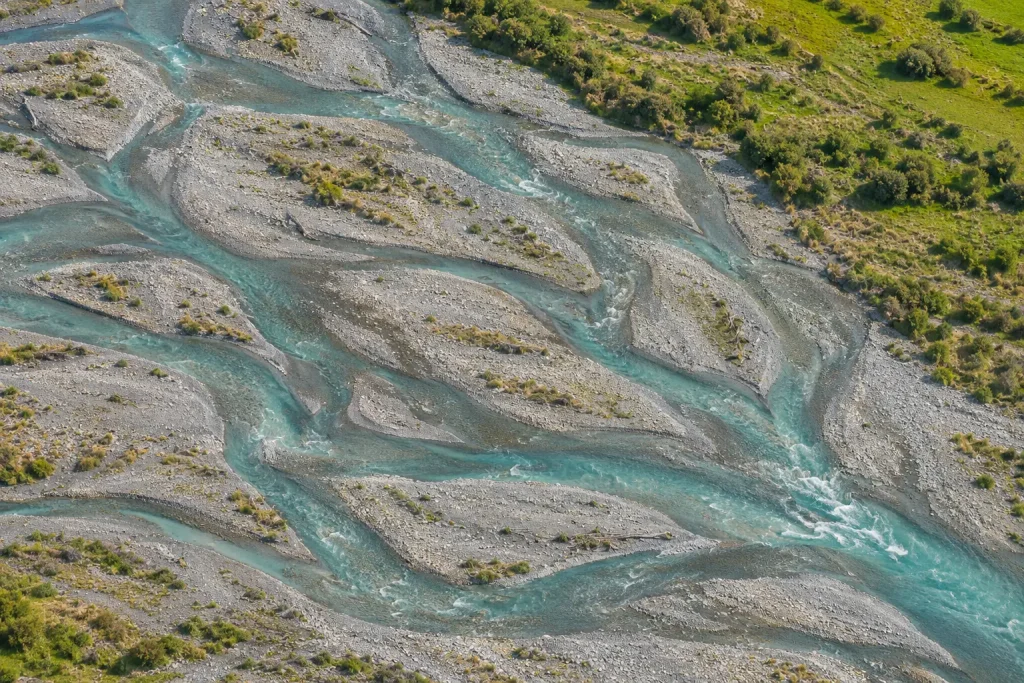
A braided river splits and rejoins as it moves sediment around a broad bed. The gravel between the channels is part of the river’s story.
How Does a Pipe Organ Make Sound?
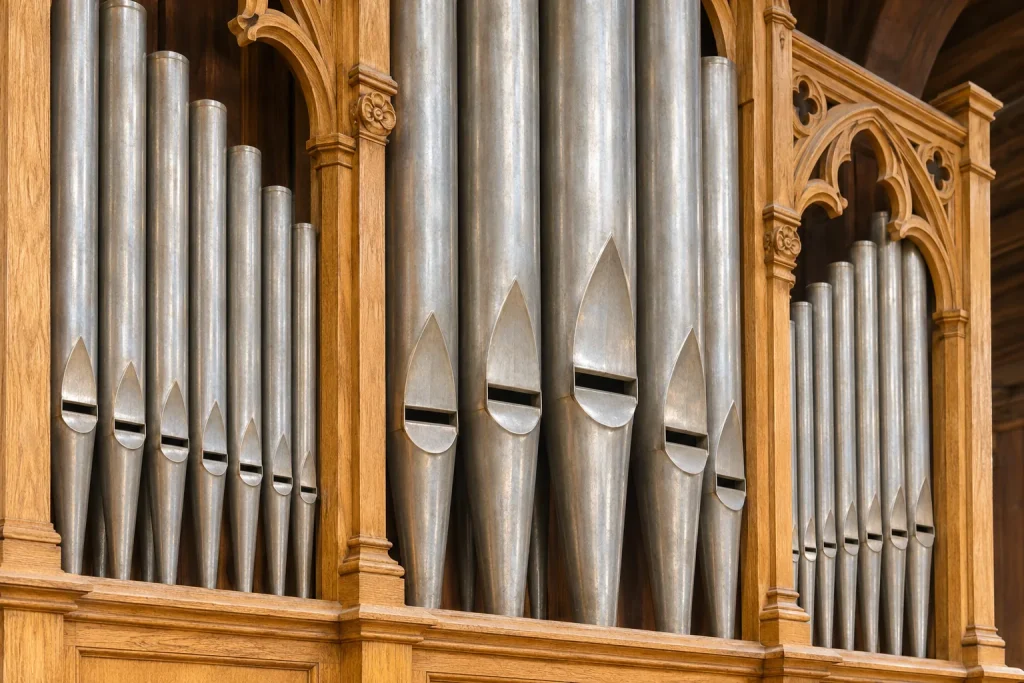
The keys select notes, the stops select families of pipes, and moving air supplies the energy. One held key can sound several pipes at once.
Why Does a Sand Dollar Have a Flower Pattern?
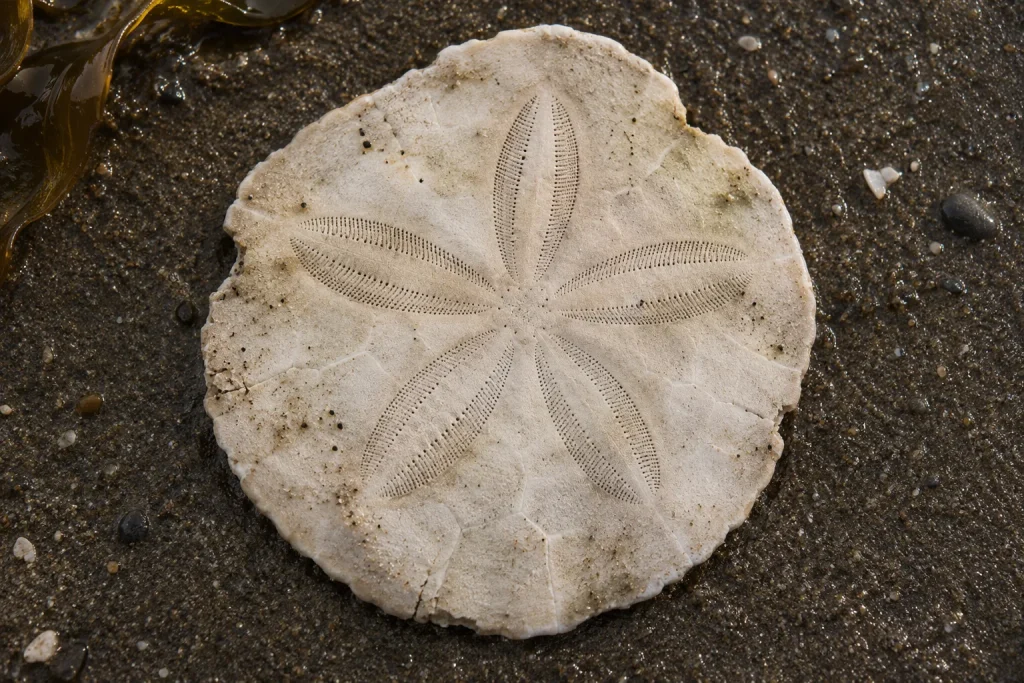
The flower is easiest to see after the living animal is gone. Each petal preserves the positions of specialized breathing structures.
How Does a Tidal Bore Travel Upriver?
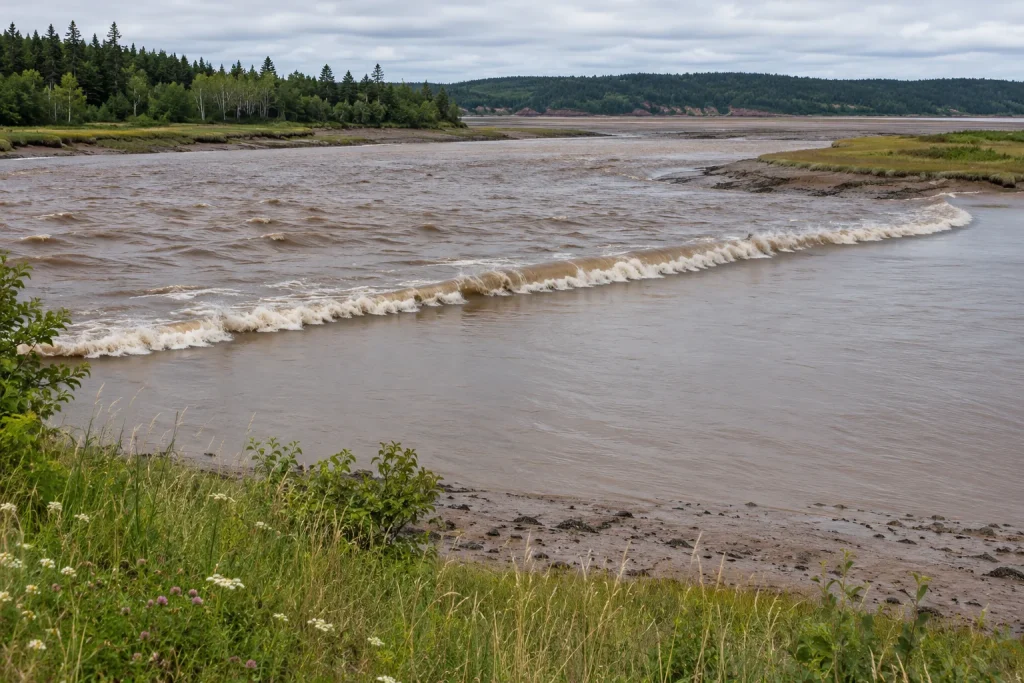
At Moncton a crest can climb the Petitcodiac River against the outgoing flow. Tracking the crest and tracking the water give different answers.
How Do Canal Locks Raise and Lower Boats?
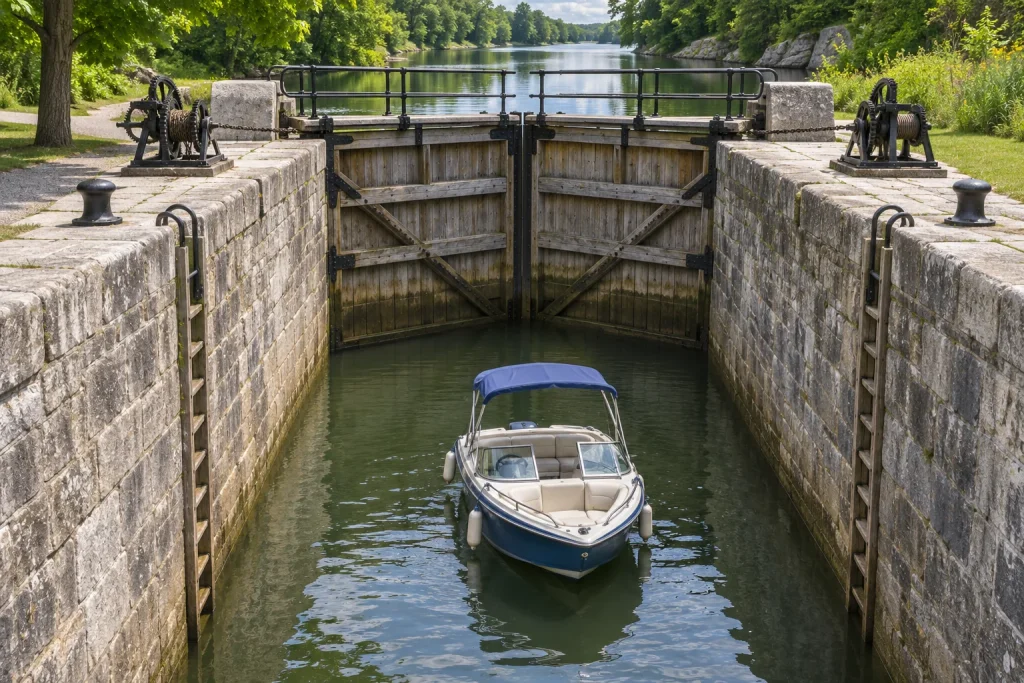
A boat can climb several metres inside a chamber with a fixed stone floor. The changing waterline on the wall gives away the mechanism.
How Do Mirages Form?
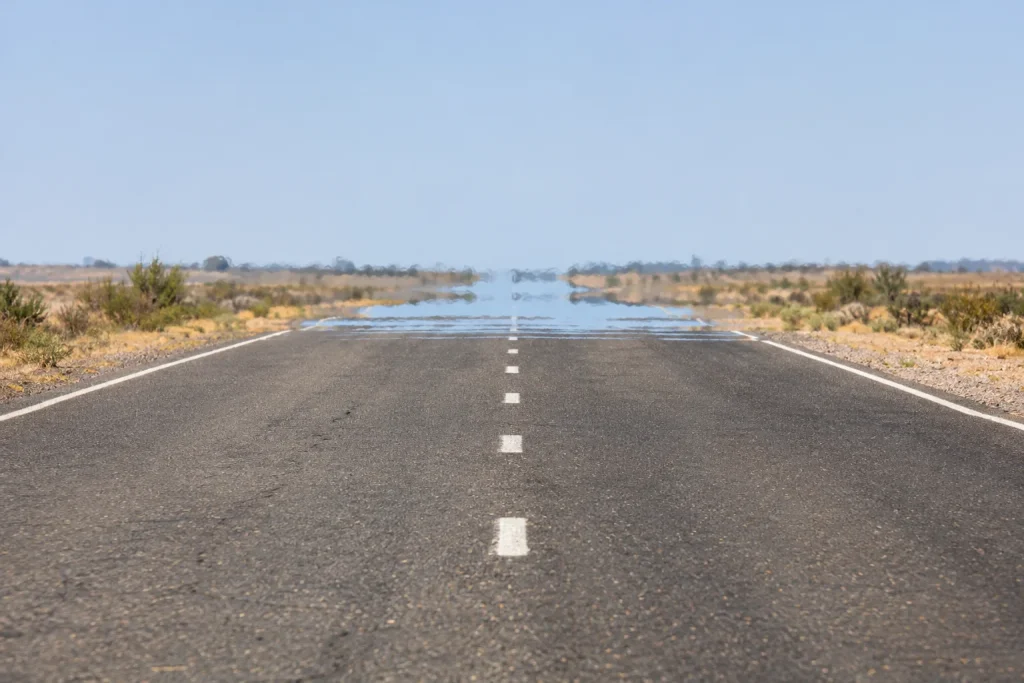
The apparent water on a hot road can be an image of the sky. Temperature differences in the air bend light before it reaches your eyes.
Why Does Wet Sand Stick Together?
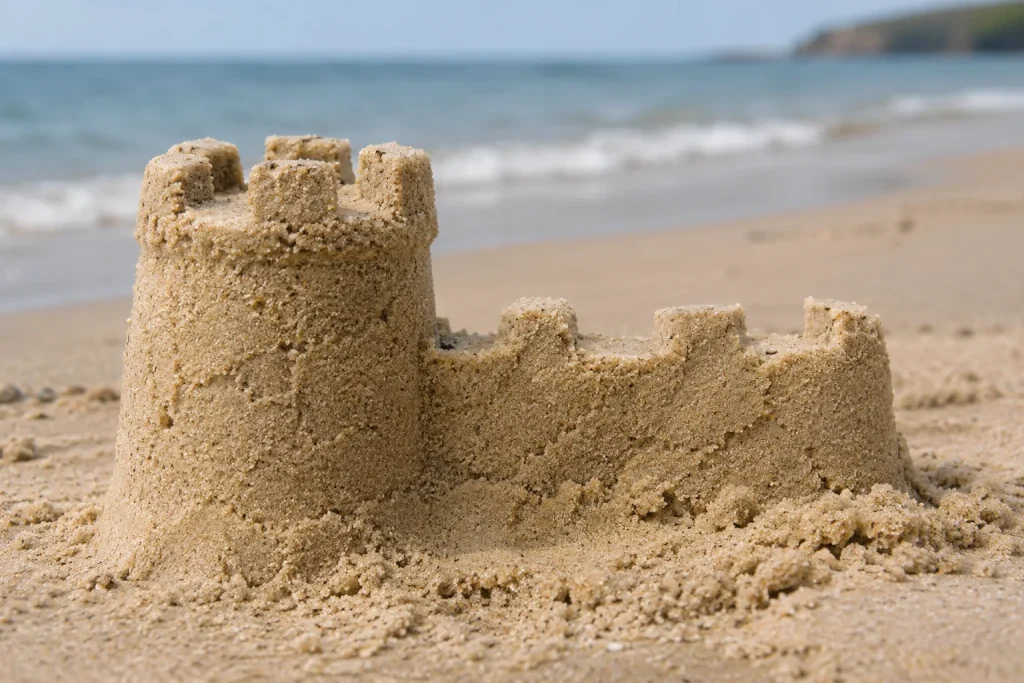
A little water can turn loose grains into a mouldable material. The change comes from small liquid bridges and the forces acting at their curved surfaces.
How Do Hydrogen Fuel Cells Make Electricity?
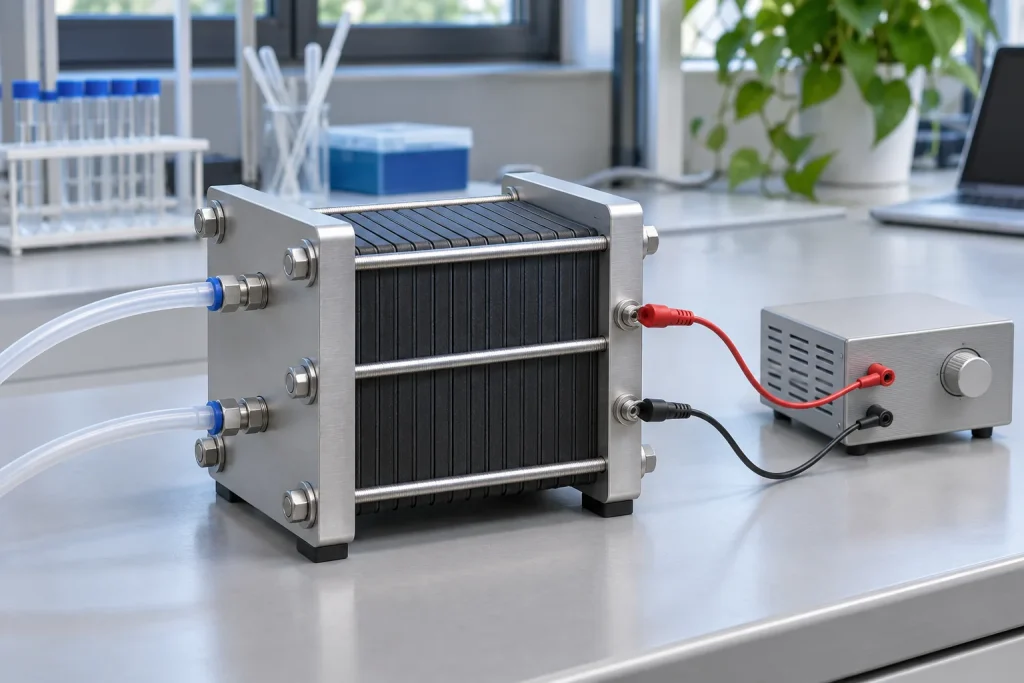
A hydrogen fuel cell sends protons through a membrane and electrons through an external circuit. Their separate routes make useful electrical power possible.
How Do Bombardier Beetles Spray Hot Chemicals?
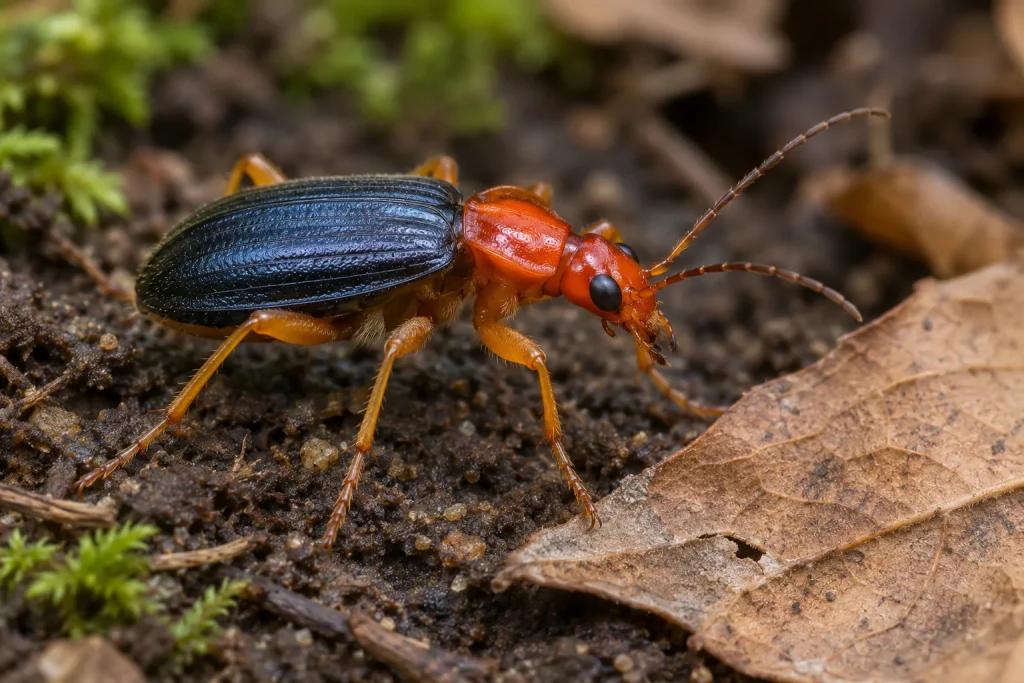
A bombardier beetle’s defence combines chemistry with specialised anatomy. Internal chambers and pressure-sensitive structures help produce a rapid hot spray.
How Do Termite Mounds Stay Ventilated?
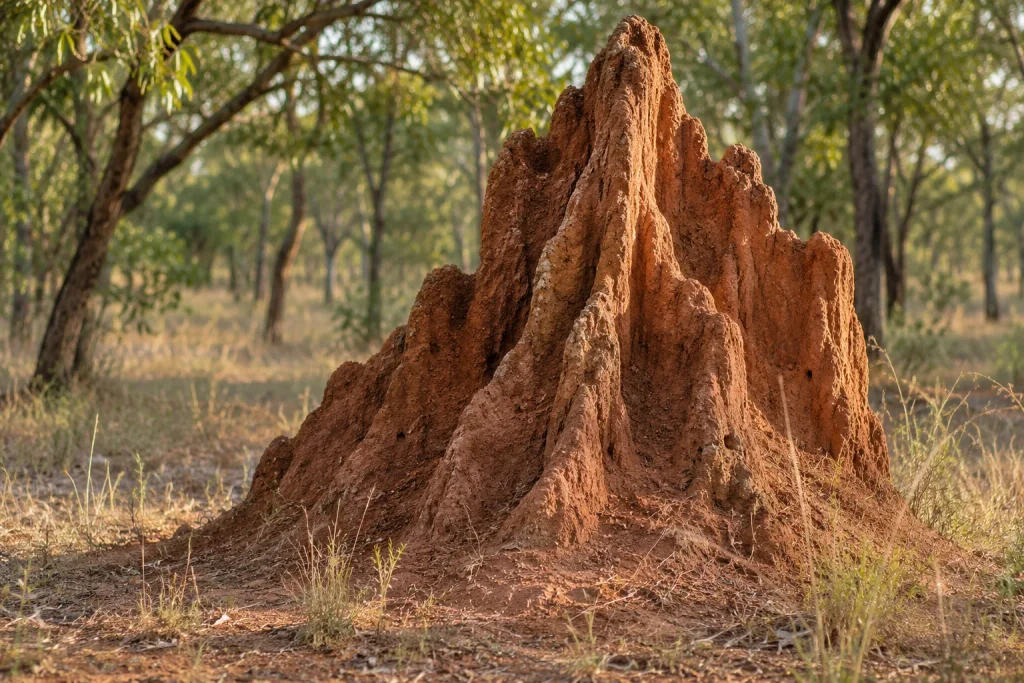
A termite mound is more than a pile of protective soil. Its tunnels and porous walls can use changing environmental conditions to help a colony exchange gases.