
How Can Six Dots Write a Whole Page of Braille?
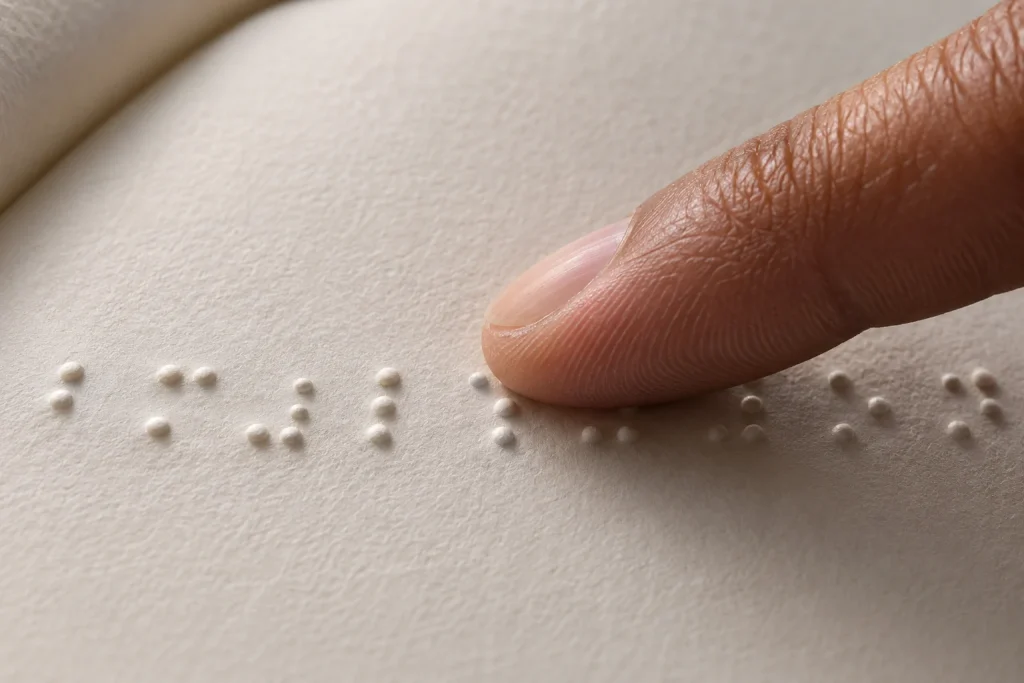
Add one sign before two braille letters and they become the number 12. The same six positions can carry a shopping list, a price or a piece of music.
How Does a Desert Rose Crystal Grow in Sand?
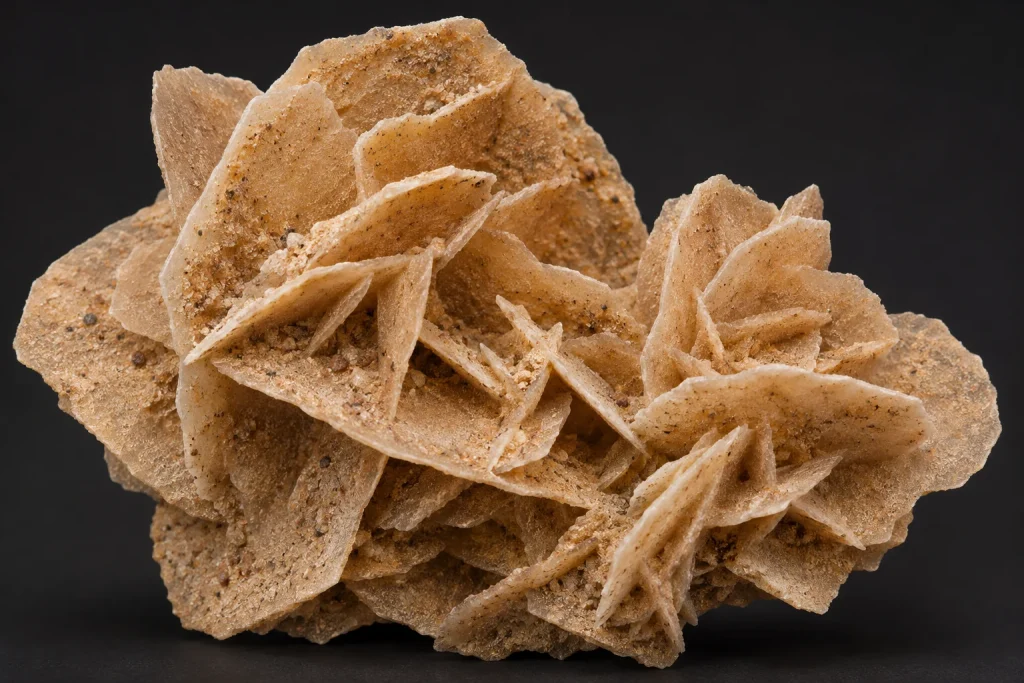
The “petals” of a desert rose enclose grains of the ground it grew in. A specimen from Qatar helps explain how groundwater can leave a flower-shaped mineral behind.
How Did a Linotype Machine Cast a Whole Line of Type?
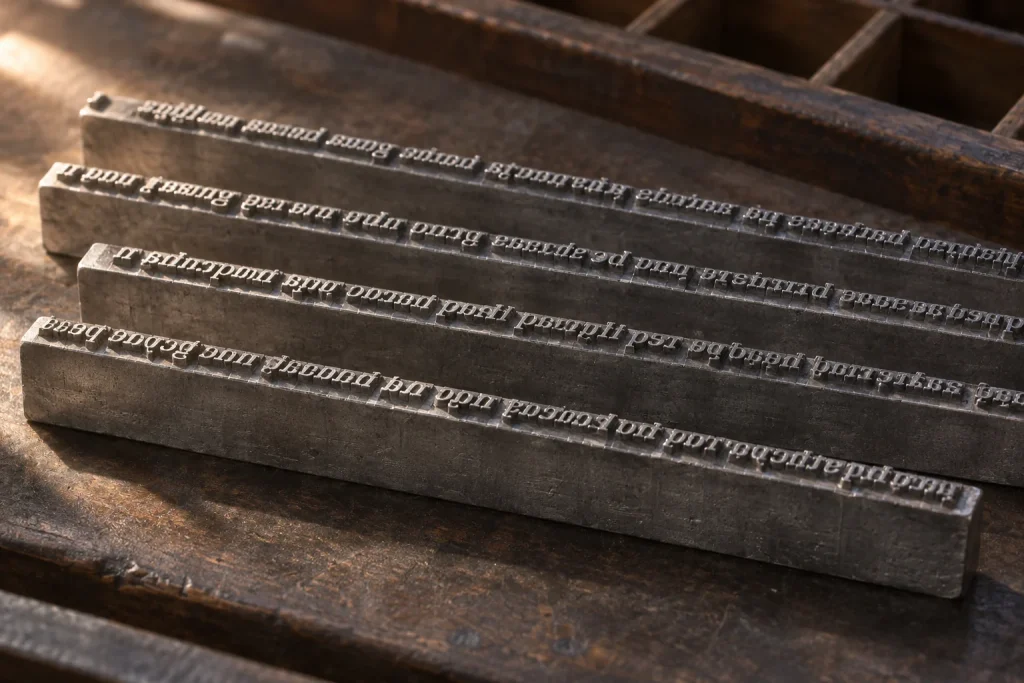
One spelling mistake could mean replacing an entire metal strip. Follow the two journeys inside a Linotype, one for the brass moulds and one for the line they cast.
How Was Helium Found in the Sun Before It Was Isolated on Earth?
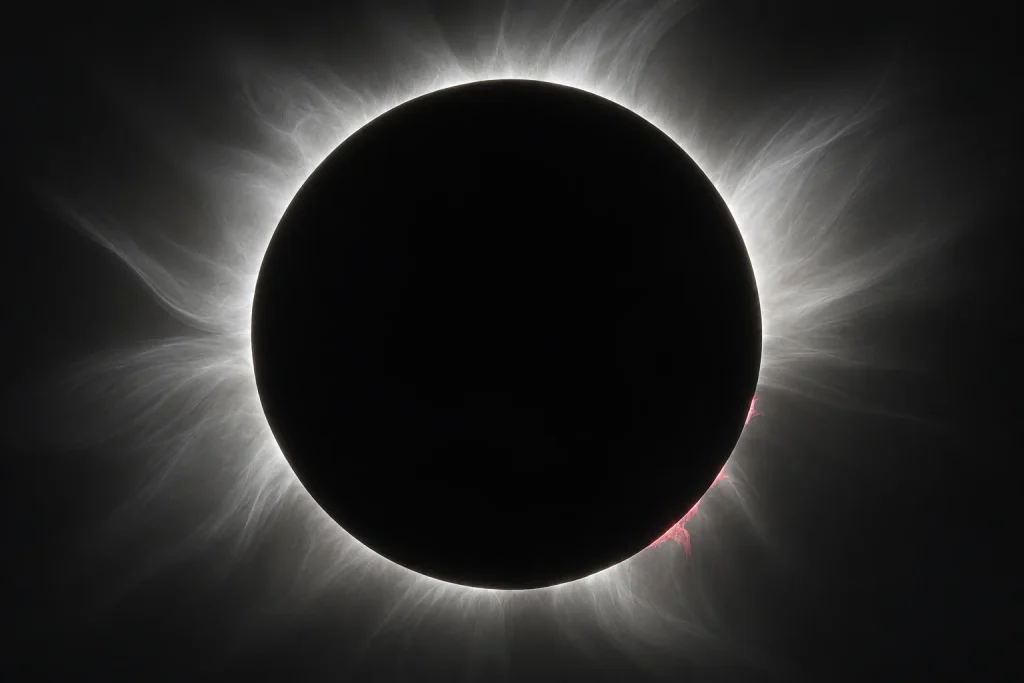
An unexplained line in sunlight gave astronomers a name for a possible element. Twenty-seven years later, a gas released from a mineral gave chemists a sample.
How Did Eclipses of Io Reveal the Speed of Light?
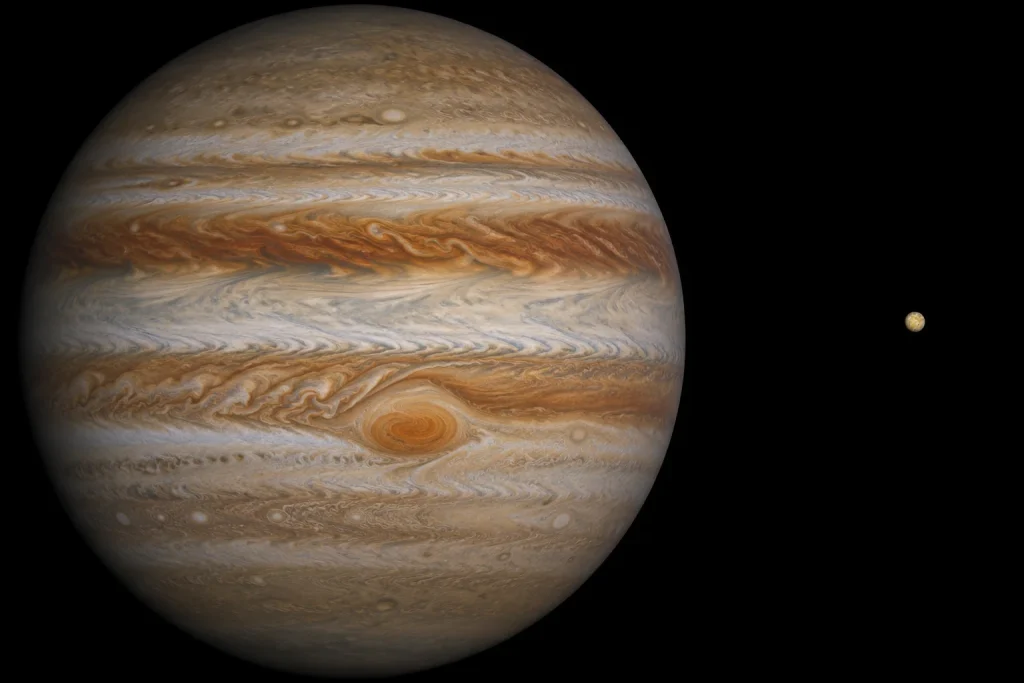
In 1676 an astronomer predicted that a moon of Jupiter would reappear late. The delay revealed something about the journey its light had taken to Earth.
How Can a Book Hide a Painting Beneath Its Gilt Edge?
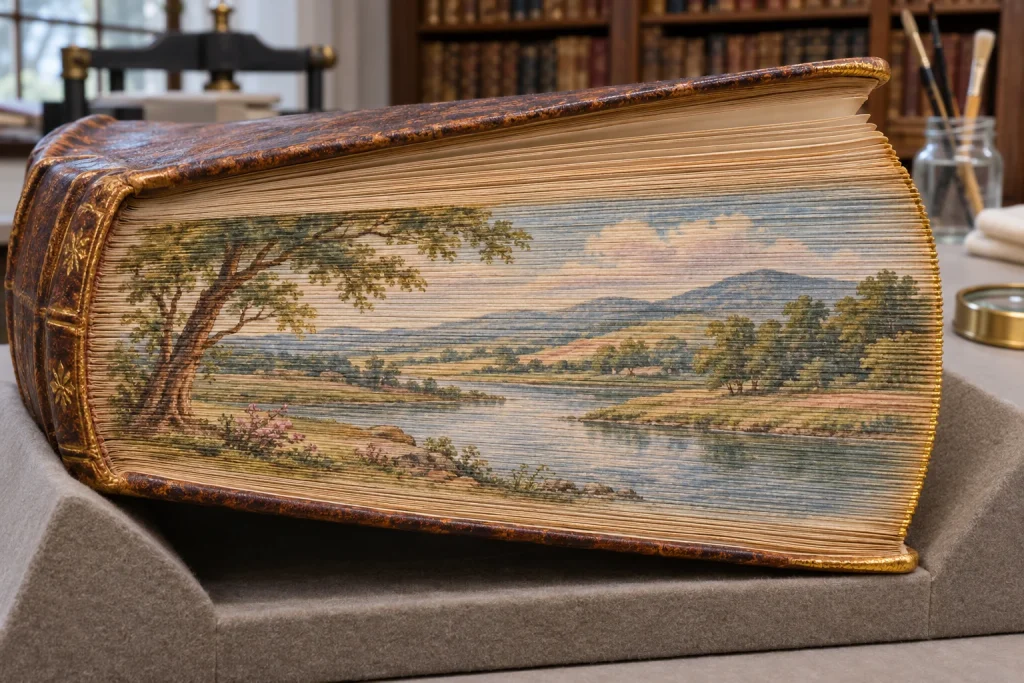
A Victorian book of poems hides a bridge over a Manchester river. To find it, a reader has to look in the one place that turning the pages will never reveal.
How Does a Hydraulic Ram Pump Lift Water Without Electricity?
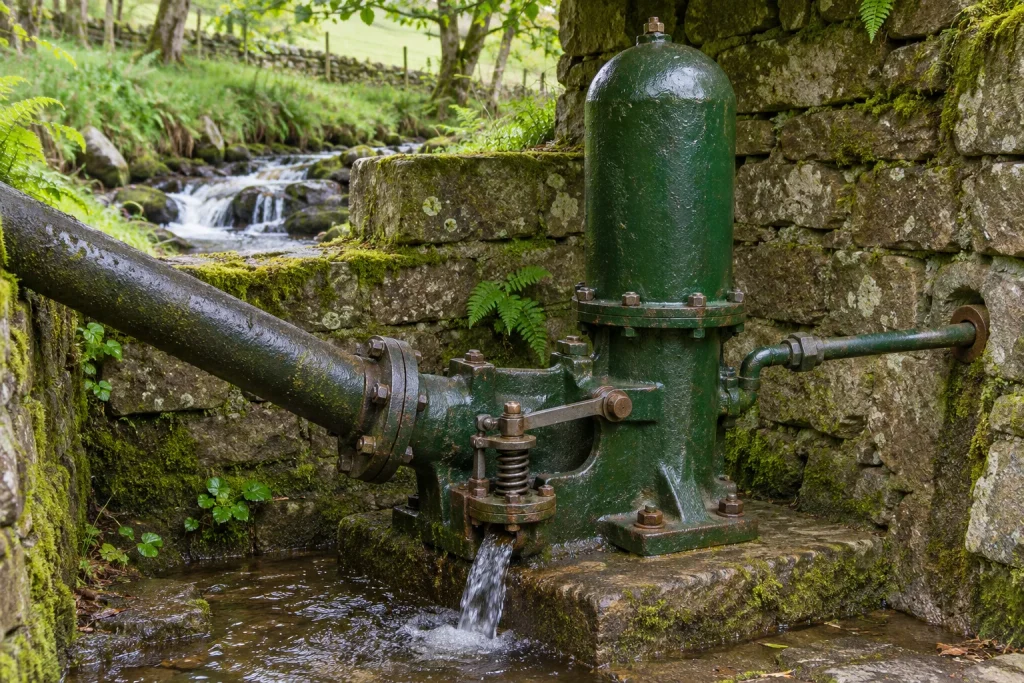
The pump at the bottom of the hill keeps spilling. The tank at the top keeps filling. The two flows explain how a hydraulic ram earns its keep.
What Can Fossil Trilobite Eyes Tell Us About Their Vision?
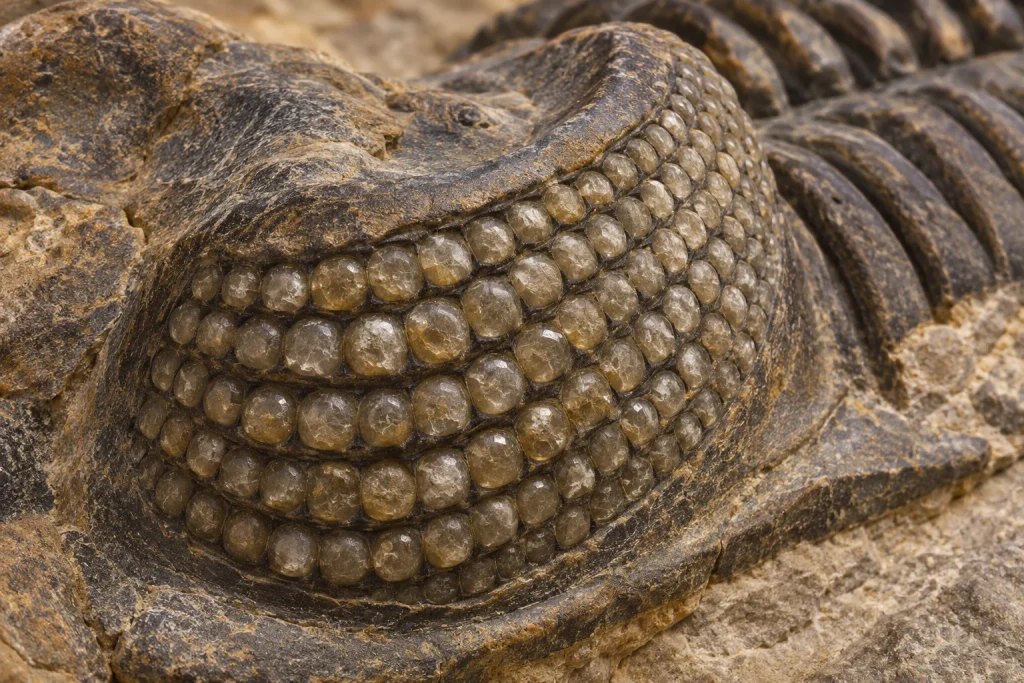
A row of stone lenses records the directions a trilobite could look. An unexpected comparison with a fossil crane fly raises a harder question about the lenses themselves.
Why Does an Opal Flash Different Colours When You Turn It?
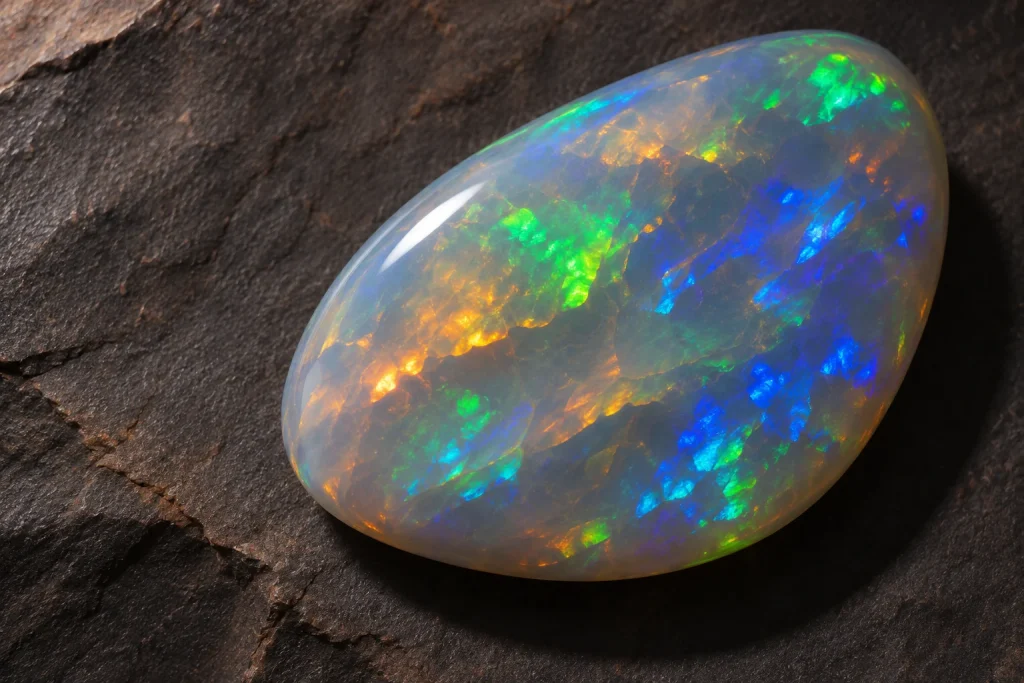
One small turn makes a blue patch vanish. When it returns, the stone gives away something about the spacing of particles far too small to see.
Why Does Mars Sometimes Move Backwards Across the Night Sky?
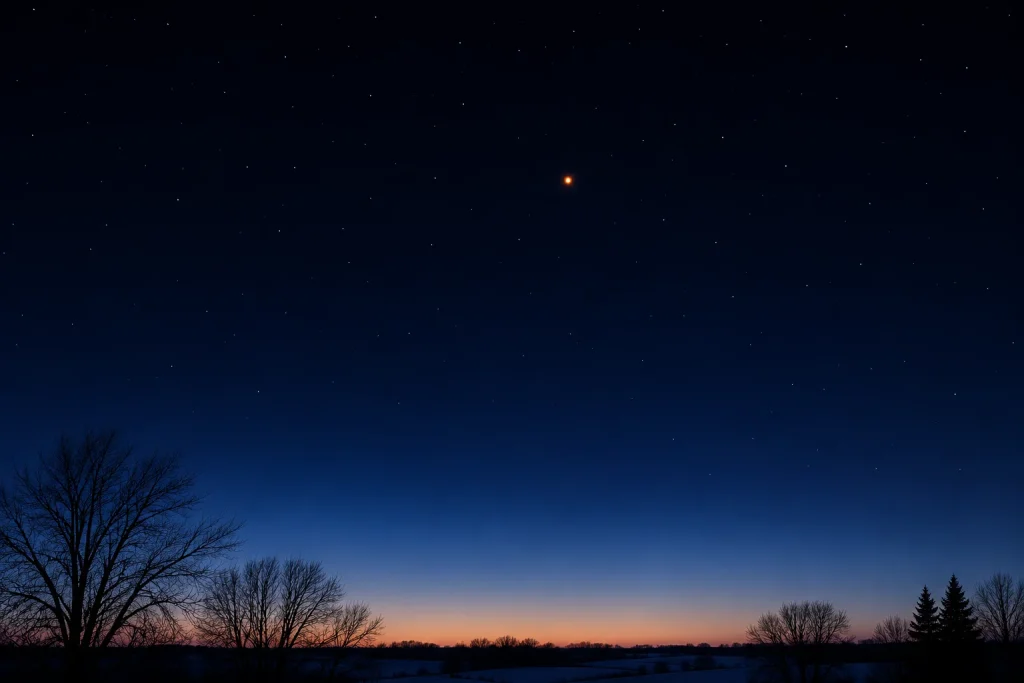
In June 2018 Mars reached a turn on the star chart. Two months later it turned again. The motion makes sense once you plot the observer as well as the planet.