

How Quantum Sensors Measure Tiny Changes
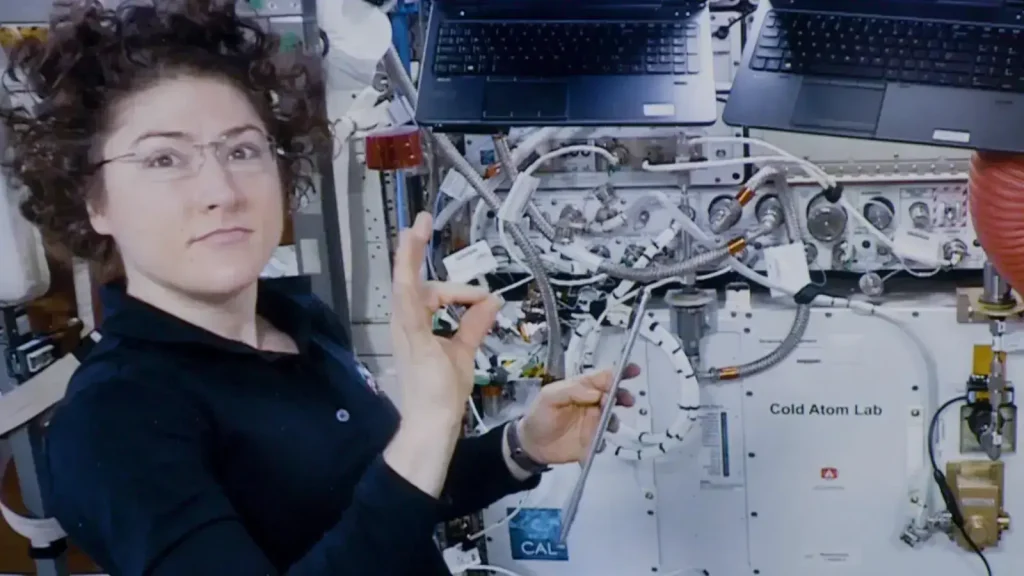
Quantum states respond to magnetic fields, gravity, time and motion in precisely measurable ways, enabling instruments that reveal signals conventional sensors can miss.
How Bats Avoid Collisions in Crowded Skies

Bats combine rapid echolocation updates, hearing, memory and flexible flight control to move through dense groups without treating every neighbour as a simple obstacle.
How Kelp Forests Reshape Coastal Ecosystems

Giant algae slow waves, create three-dimensional habitat and move carbon and nutrients through coastal food webs, while heat and grazing can rapidly change the system.
How River Deltas Build and Lose Land
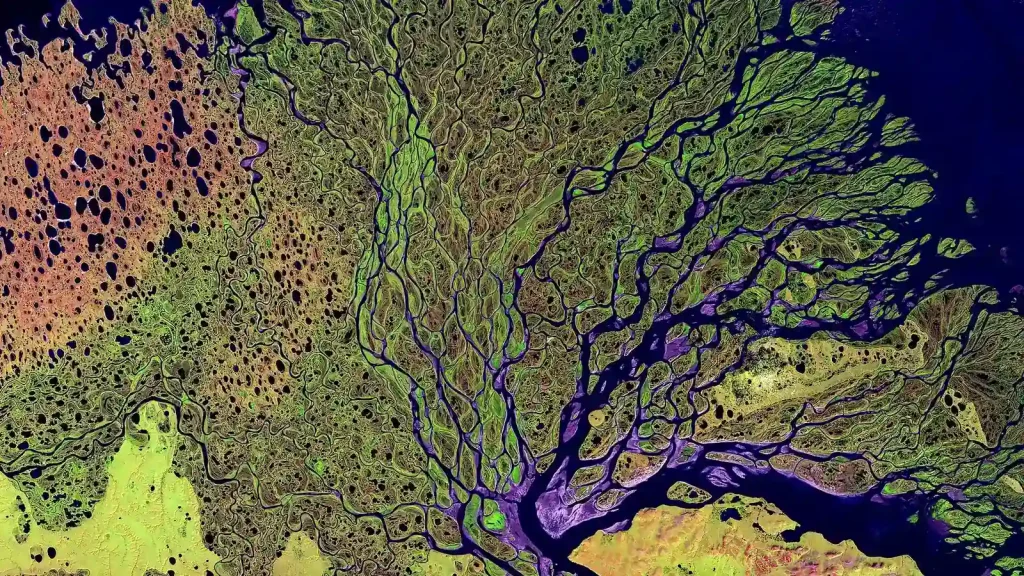
Deltas grow where rivers deposit sediment faster than waves, tides and sinking remove it, making their coastlines records of both natural processes and human decisions.
How Glaciers Create Signals Scientists Can Hear
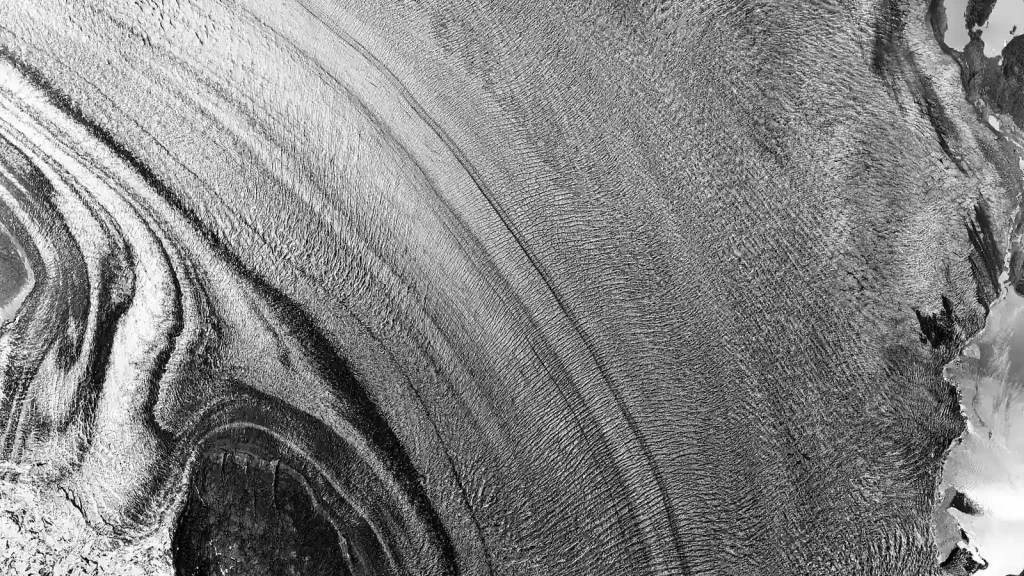
Moving and fracturing ice produces vibrations that seismometers can record, giving researchers another way to follow hidden motion, calving and changing meltwater systems.
How Neutrinos Reveal What Happens Inside the Sun
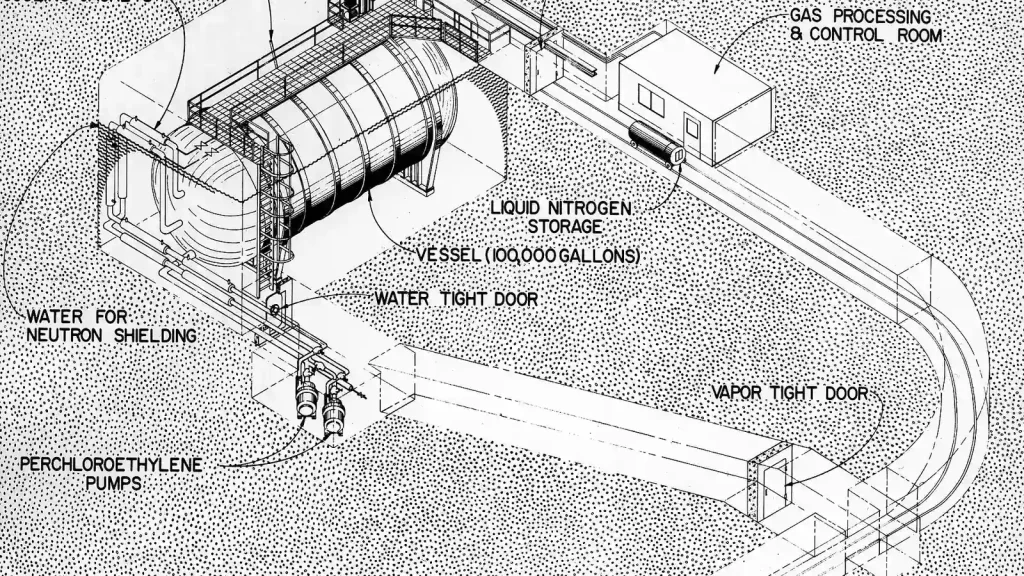
Neutrinos escape the solar core almost immediately, carrying information about fusion that light cannot deliver until far later.
How Starlight Reveals the Elements in Distant Suns

Dark and bright lines in a spectrum reveal which atoms interact with starlight, while their shifts and shapes disclose motion, temperature and pressure.
How Tree Rings Put Dates on the Past
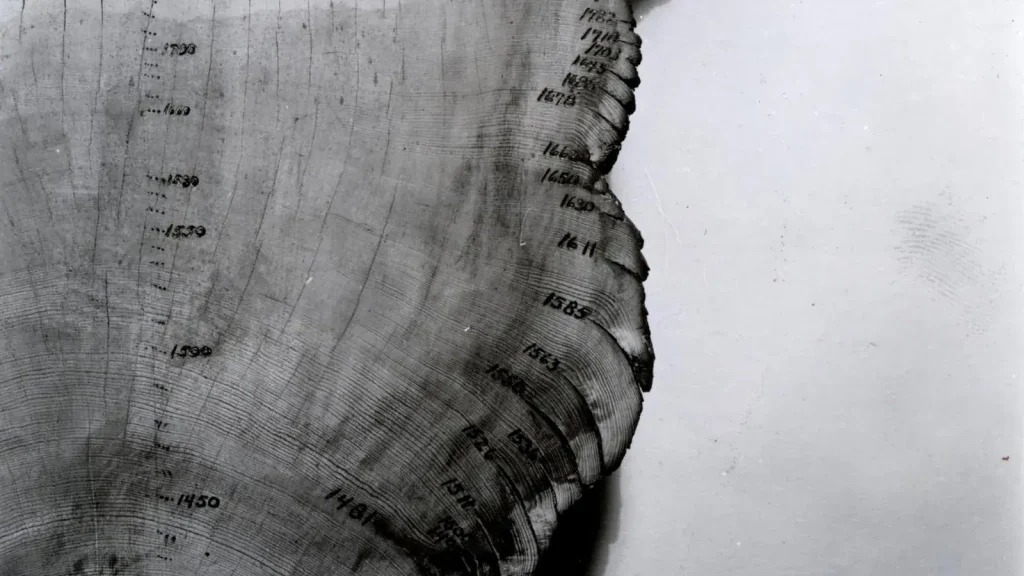
Overlapping patterns of wide and narrow growth rings can build exact regional calendars, allowing wood from buildings and sites to be dated while preserving environmental evidence.
How Cells Keep Time Without Watching a Clock
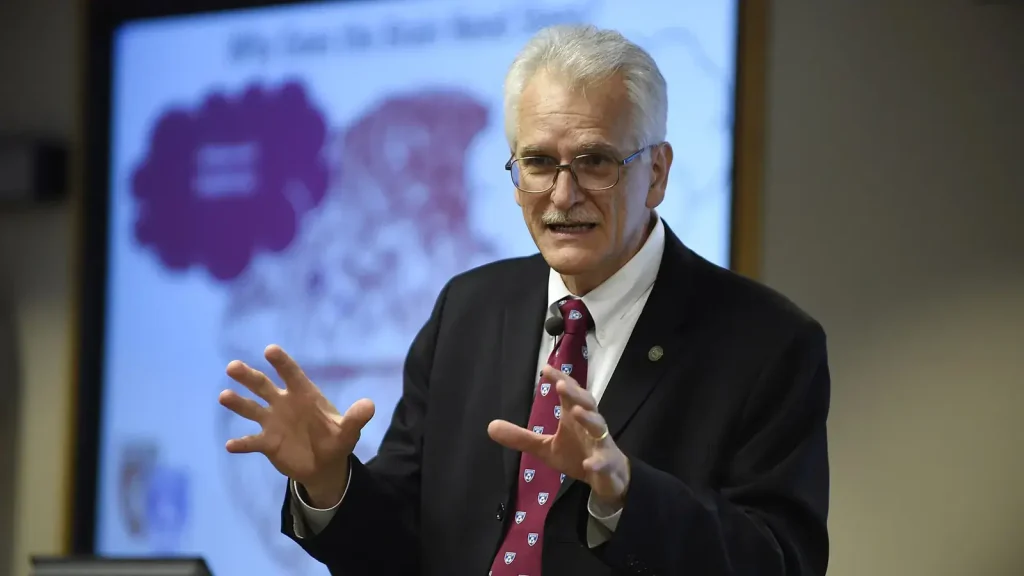
Networks of clock genes create near-24-hour cycles inside cells, and light helps a brain-based master clock coordinate those rhythms with the outside world.
How the Blood–Brain Barrier Controls What Reaches the Brain
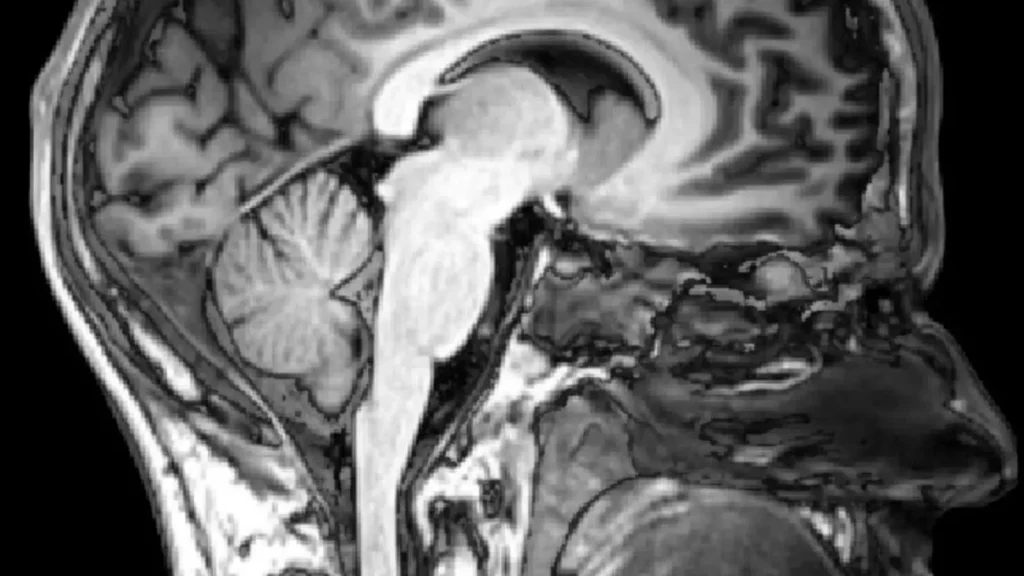
Specialized blood-vessel cells, supporting cells and transport systems tightly regulate movement between circulating blood and brain tissue while still delivering oxygen and essential nutrients.