

How the Liver Rebuilds Lost Tissue
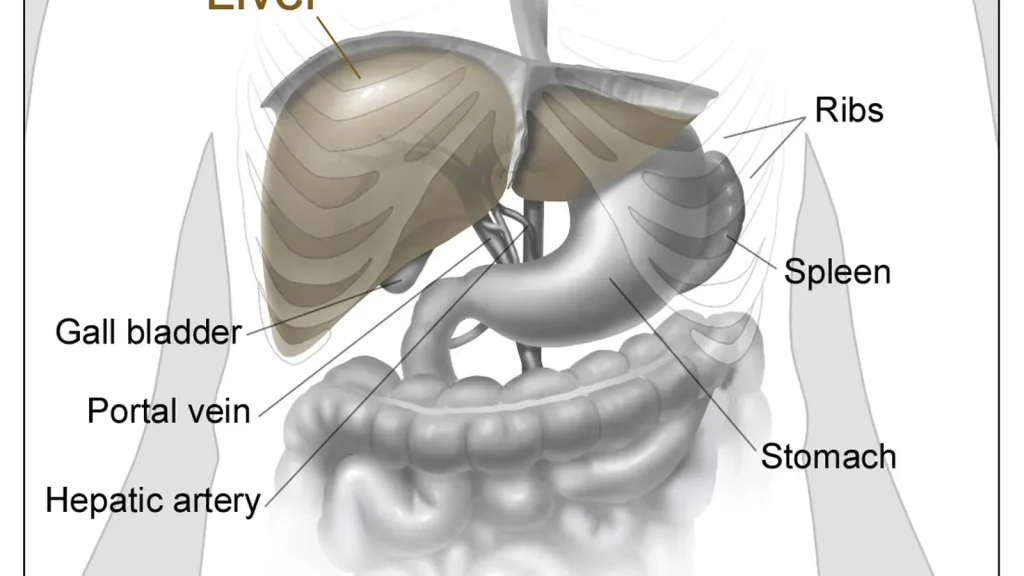
The liver can restore much of its functional mass after injury or surgery mainly by prompting surviving mature cells to re-enter the cell cycle, although severe or repeated damage can overwhelm that capacity.
How Heat Pumps Move More Heat Than the Electricity They Use
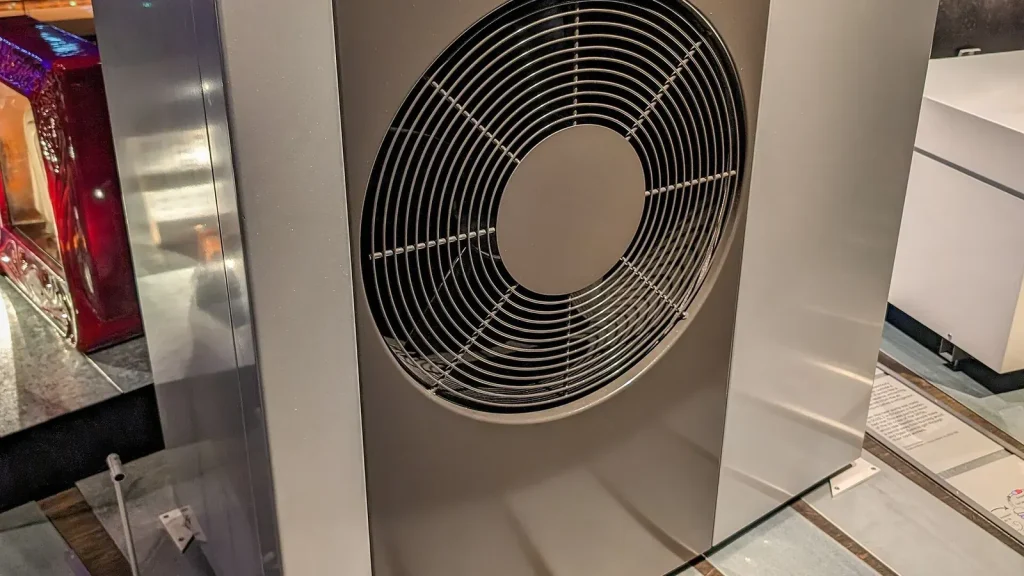
Heat pumps use electricity to move thermal energy rather than create all their heat directly, allowing properly designed systems to deliver several units of heat for each unit of electrical energy consumed.
How the Domain Name System Finds a Website
The Domain Name System translates human-readable domain names into network addresses through a distributed hierarchy of resolvers, root servers, registries and authoritative name servers.
How Monarch Butterflies Navigate Across a Continent
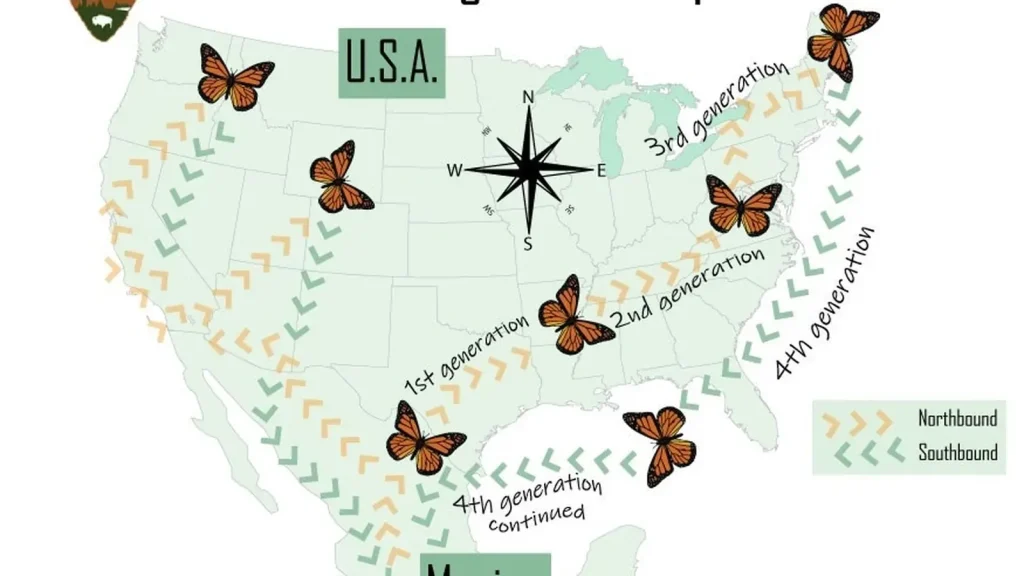
Migrating monarch butterflies combine a time-compensated Sun compass with environmental cues and inherited seasonal behaviour to travel toward overwintering regions they have never previously visited.
How Scholars Learned to Read Maya Writing
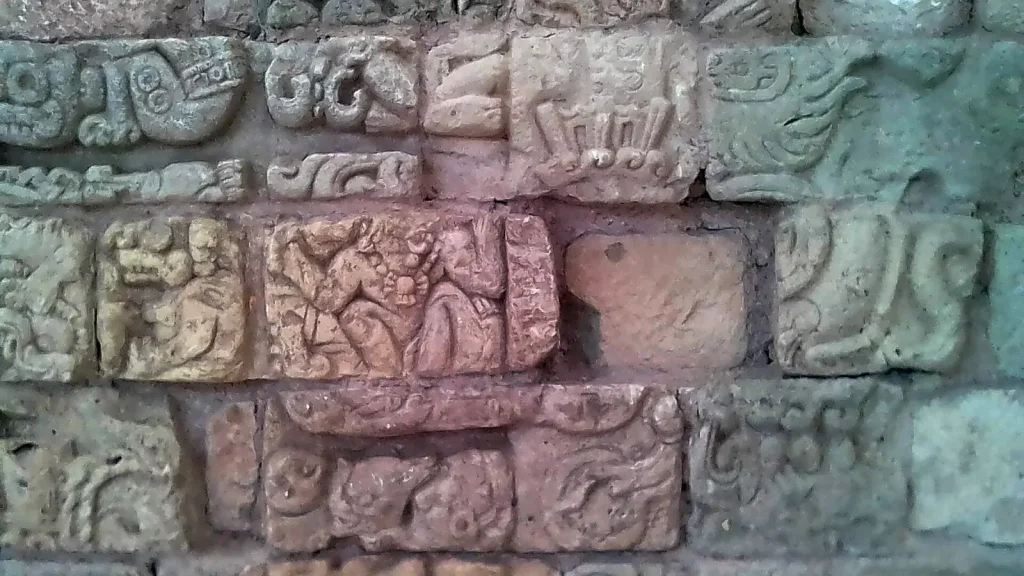
The decipherment of Maya inscriptions emerged from pattern recognition, language knowledge, archaeology and repeated tests across monuments and surviving texts.
How the Inner Ear Keeps You Balanced
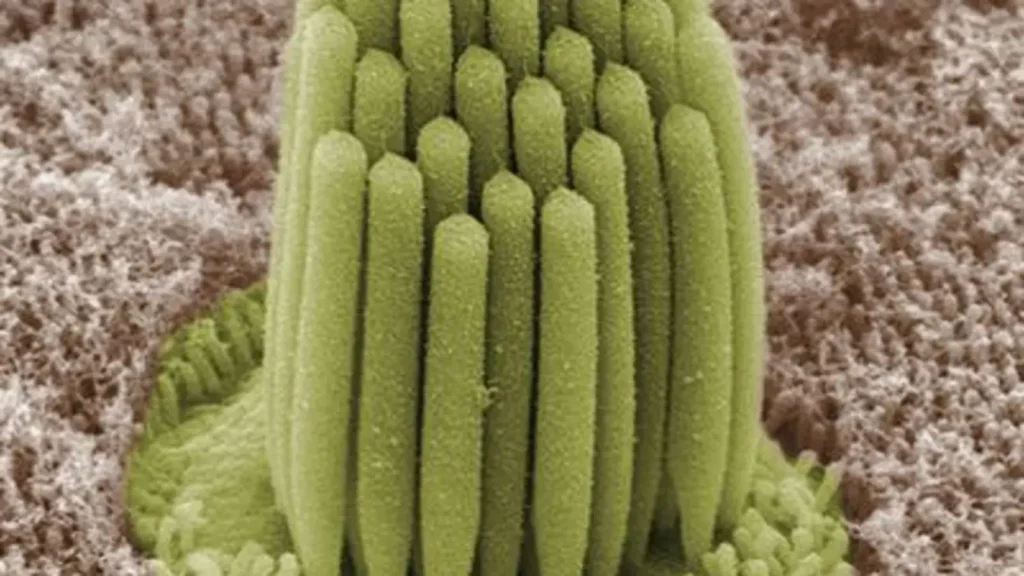
Fluid-filled canals and gravity-sensing organs in the inner ear measure head motion, while the brain combines those signals with vision and body sensation to stabilize movement.
How Fiber-Optic Cables Carry the Internet
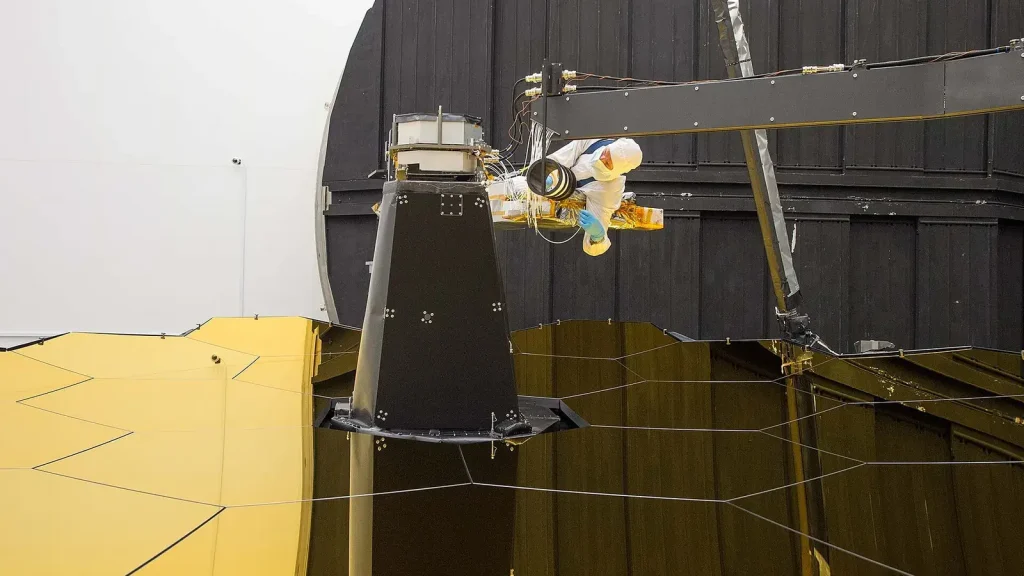
Digital information travels as carefully timed pulses of light through thin glass strands, supported by lasers, amplifiers, switches and error correction.
How Heat Pumps Move More Heat Than the Electricity They Use
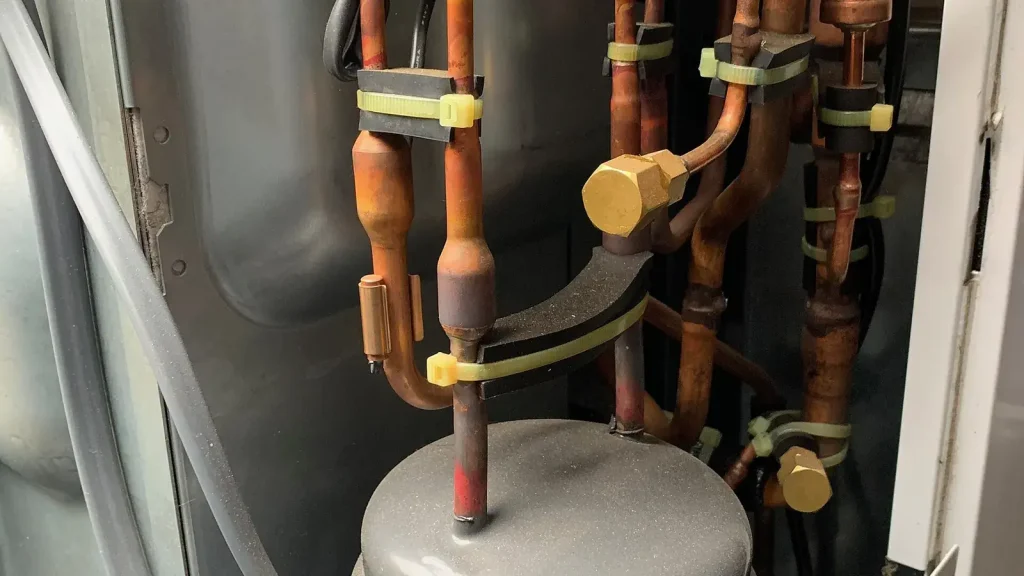
A heat pump uses electricity to move thermal energy rather than create all of it directly, allowing one system to heat or cool depending on the refrigerant cycle.
How Trees Lift Water Hundreds of Feet Without a Pump
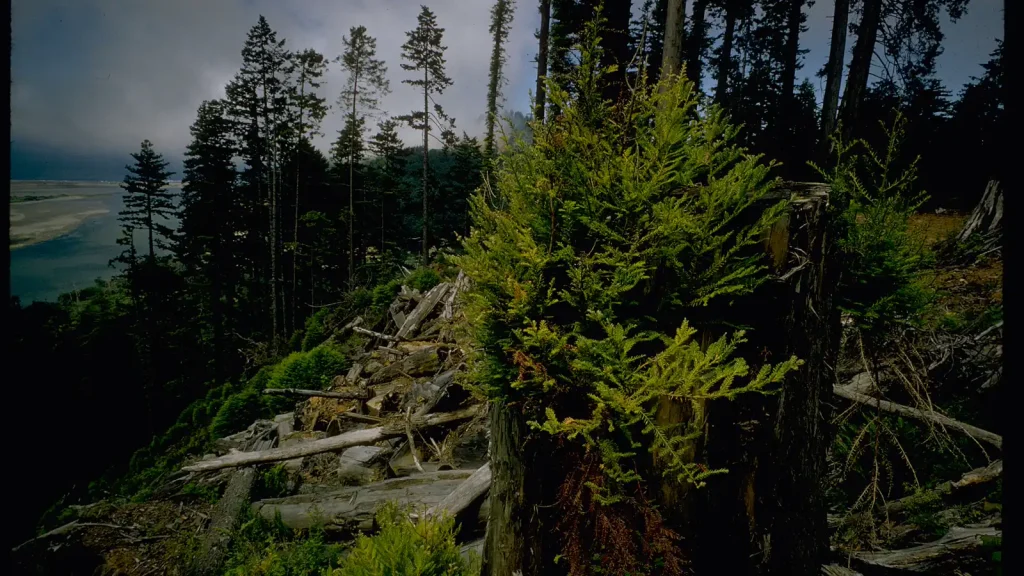
A continuous hydraulic pathway connects moisture in soil to evaporation from leaves high above the ground.
How Ice Cores Preserve Earth’s Ancient Atmosphere
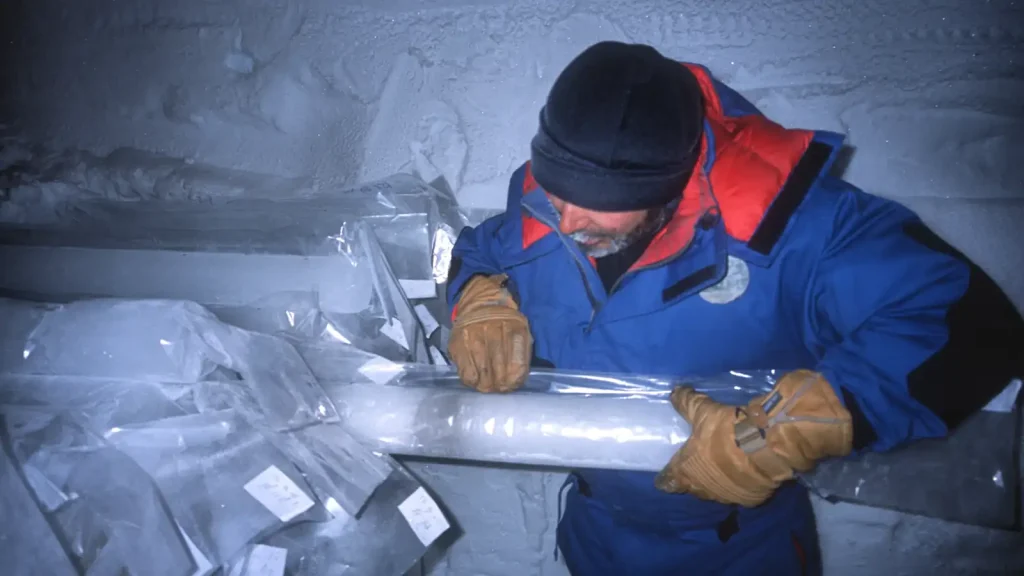
Layered polar ice stores old air, volcanic fallout, dust and water chemistry that scientists use to reconstruct past climates.