
How Does a Camera Aperture Work?
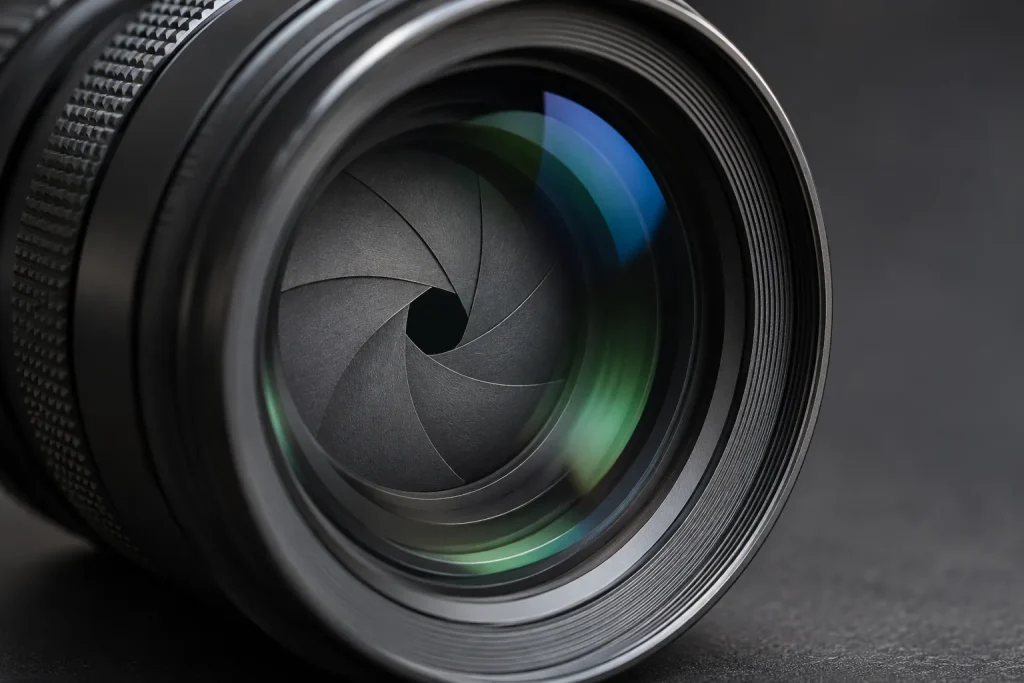
Aperture changes how much light enters a lens and which distances appear acceptably sharp, with a trade-off between depth of field and diffraction.
How Does a Steam Turbine Turn Heat into Power?
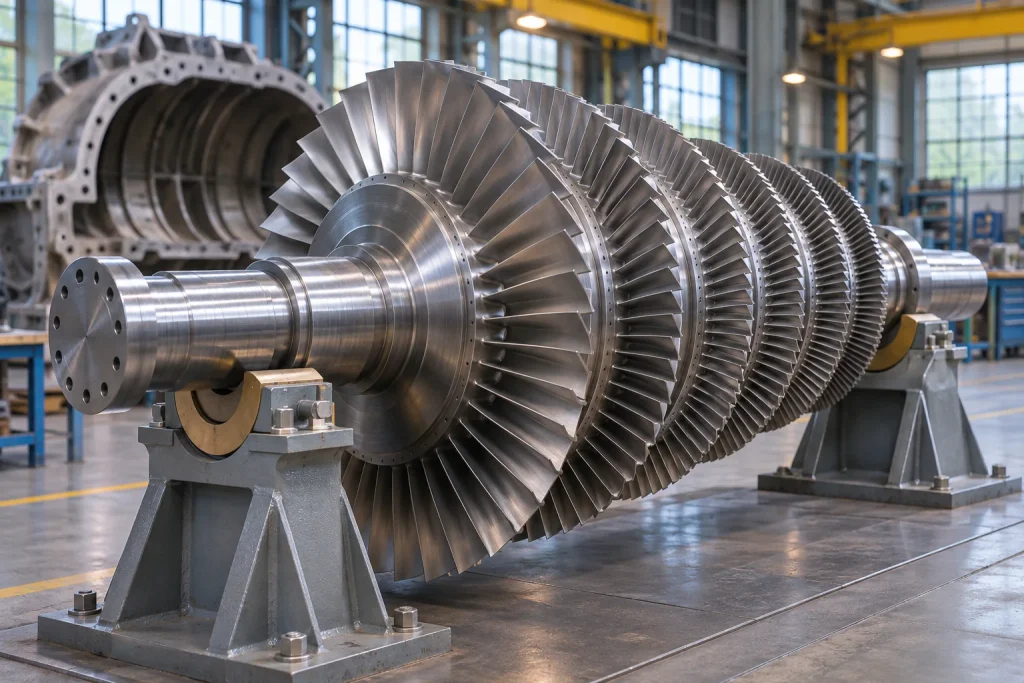
Heat produces energetic steam, expanding steam turns a rotor, and a generator converts the shaft’s mechanical power into electricity.
How Does Firing Turn Clay into Ceramic?

Drying makes clay rigid, but firing changes the material itself. The result depends on mineral composition, heat and the development of bonds and glassy phases.
Why Do Snowshoe Hares Turn White in Winter?
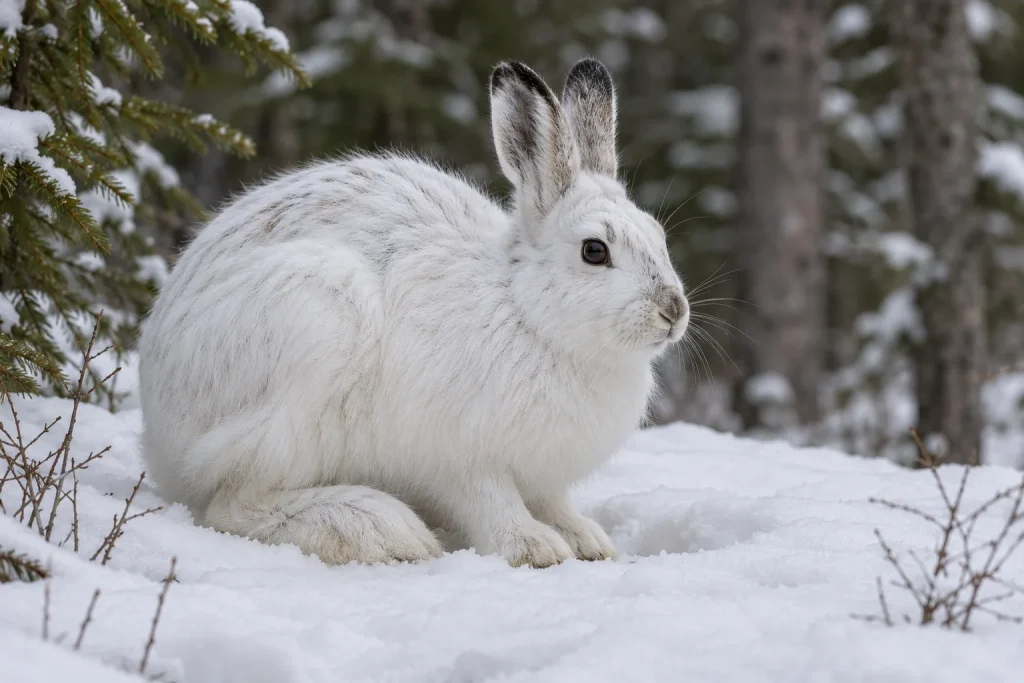
The white coat grows in as old hair is shed. Day length helps time the molt, while local conditions and inherited variation complicate the familiar seasonal pattern.
What Are Saturn’s Rings Made Of?
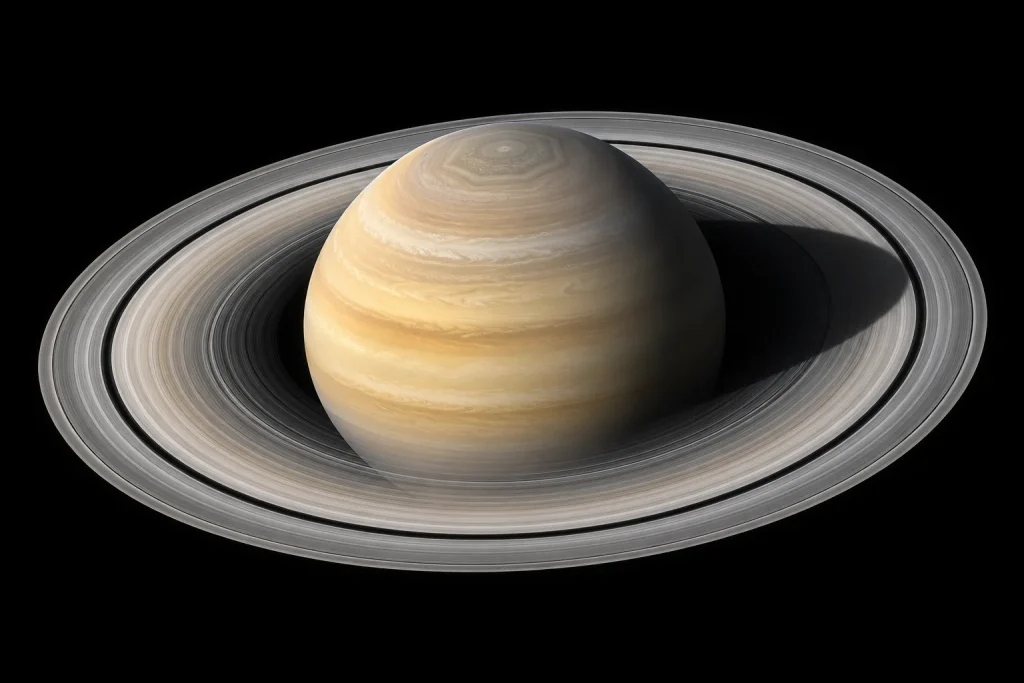
Saturn’s rings look like a solid disc, but they are a moving population of icy particles shaped by gravity and neighbouring moons.
How Do Sea Urchins Move Without Legs?
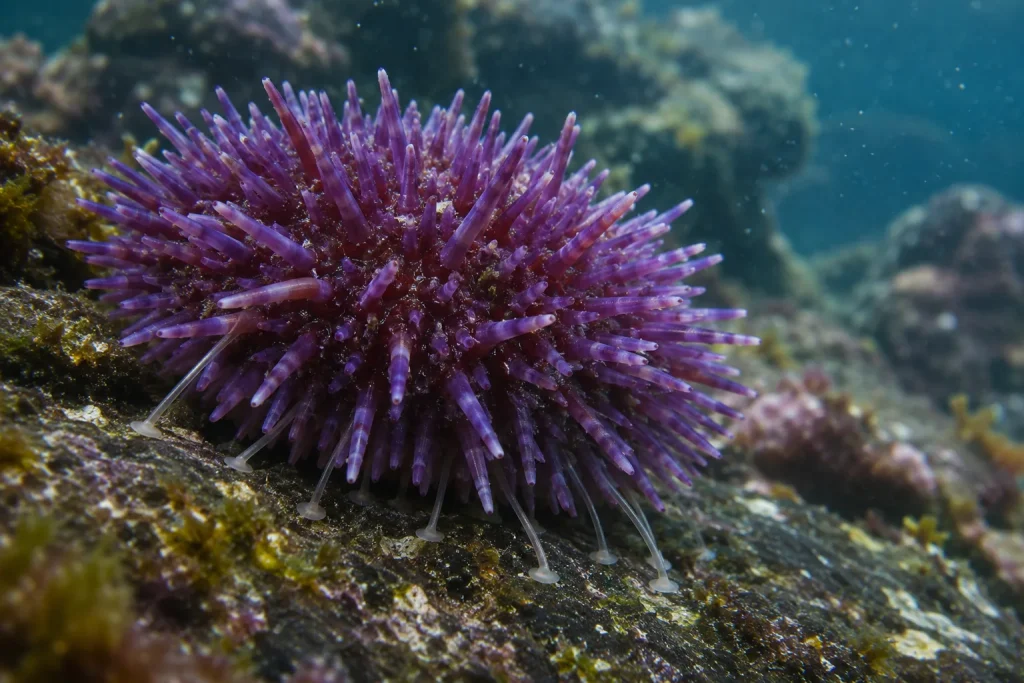
Beneath a sea urchin’s spines, flexible tube feet reach out and attach to the seabed. Water pressure and muscles turn many small movements into a crawl.
How Do Salt Domes Form?
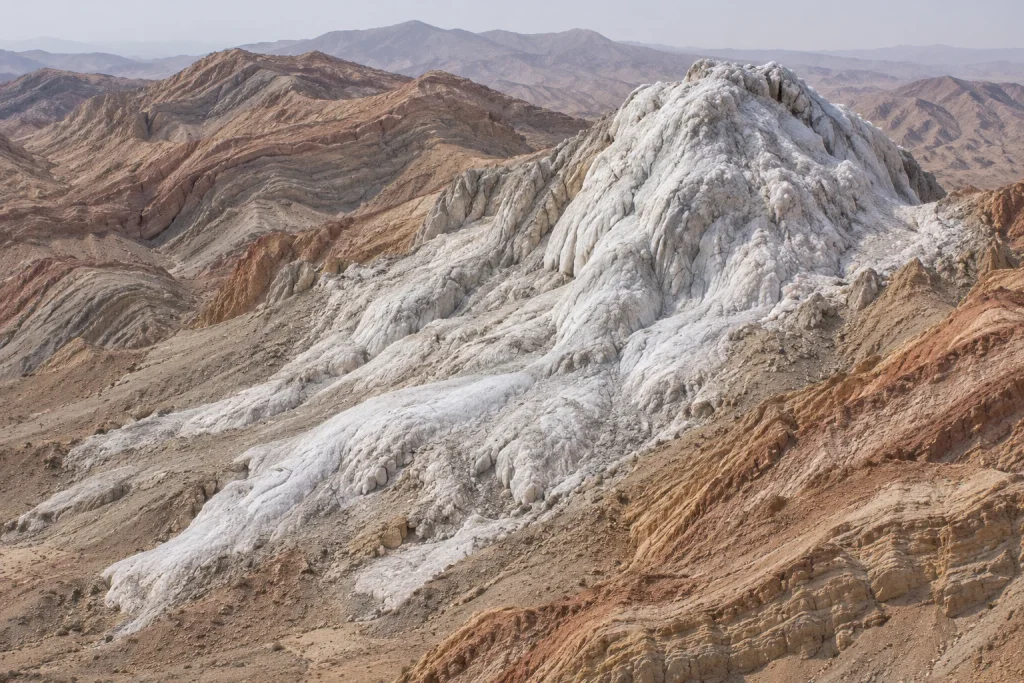
A salt dome begins with an ancient deposit, then grows as buried salt slowly moves in response to pressure differences and the surrounding geology.
How Do Sewing Machines Make Stitches?

The needle is only the visible part of the action. Beneath the cloth, a hook catches its thread loop and links it with thread from a bobbin.
How Do Water Clocks Measure Time?

Long before quartz watches, people measured time with moving water. The challenge was making that movement predictable enough to read.
How Do Fresnel Lenses Focus Light?
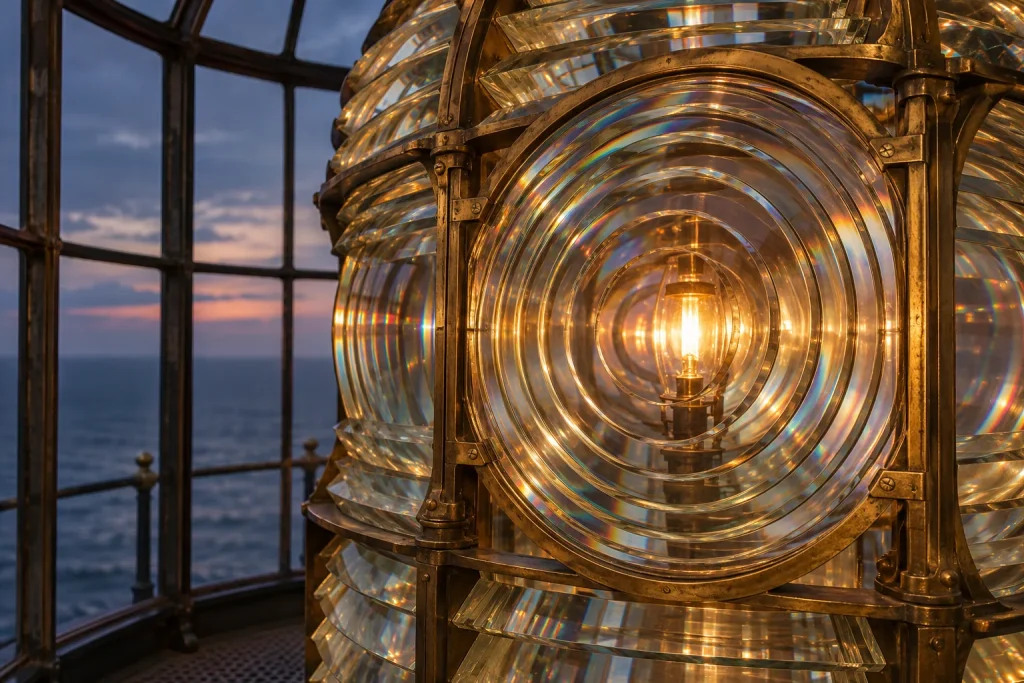
The rings in a Fresnel lens preserve the surfaces that redirect light while removing much of the bulk of a conventional lens.