

Why Birds See Colors Humans Cannot
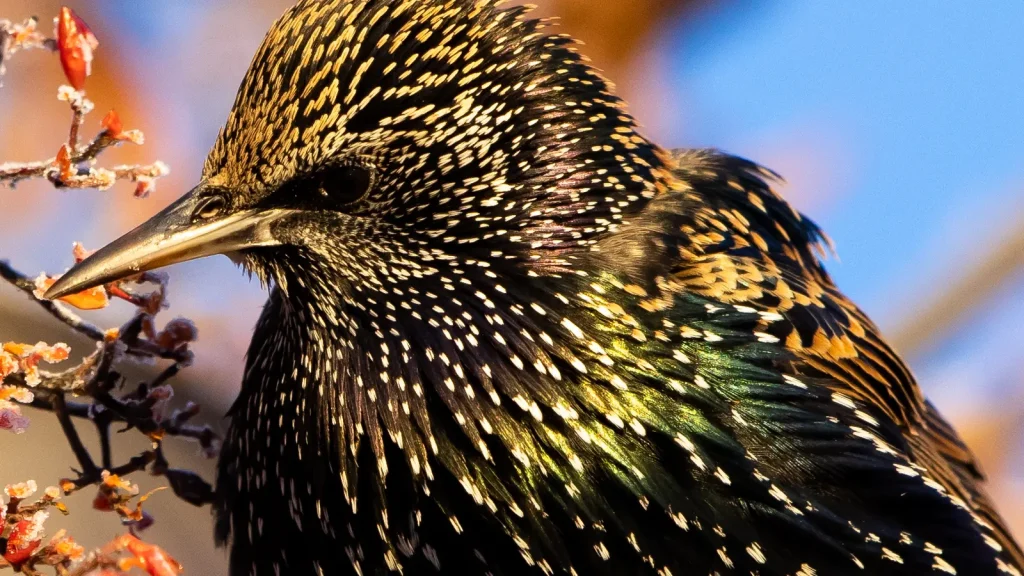
Many birds divide daylight into four color channels, revealing ultraviolet contrasts in feathers, food and landscapes that human vision compresses or misses.
How Artificial Intelligence Actually Learns
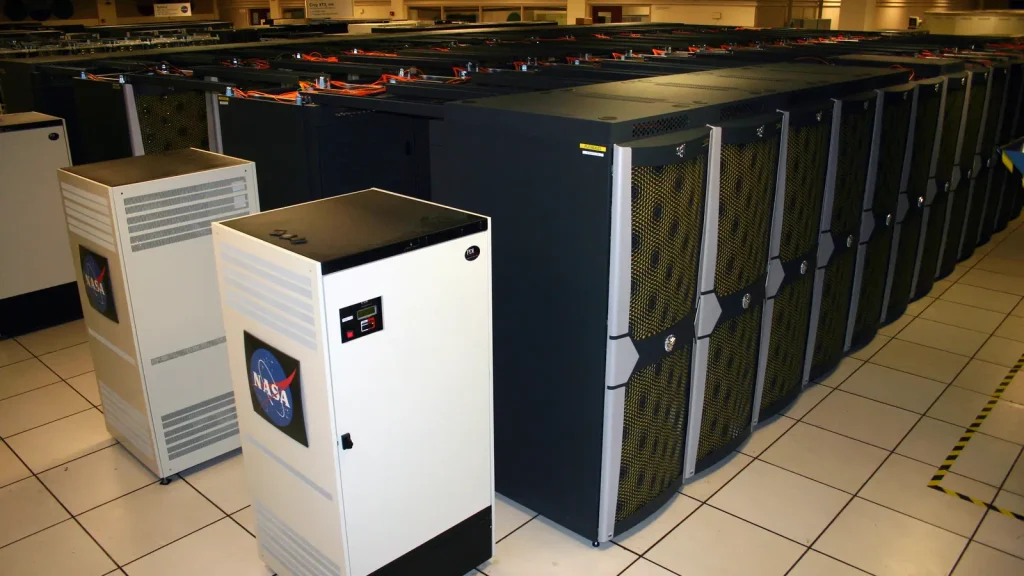
AI learns by adjusting numerical parameters to reduce errors across examples—not by understanding a lesson the way a person does. Here is the machinery behind the metaphor.
Why Volcanoes Produce Lightning
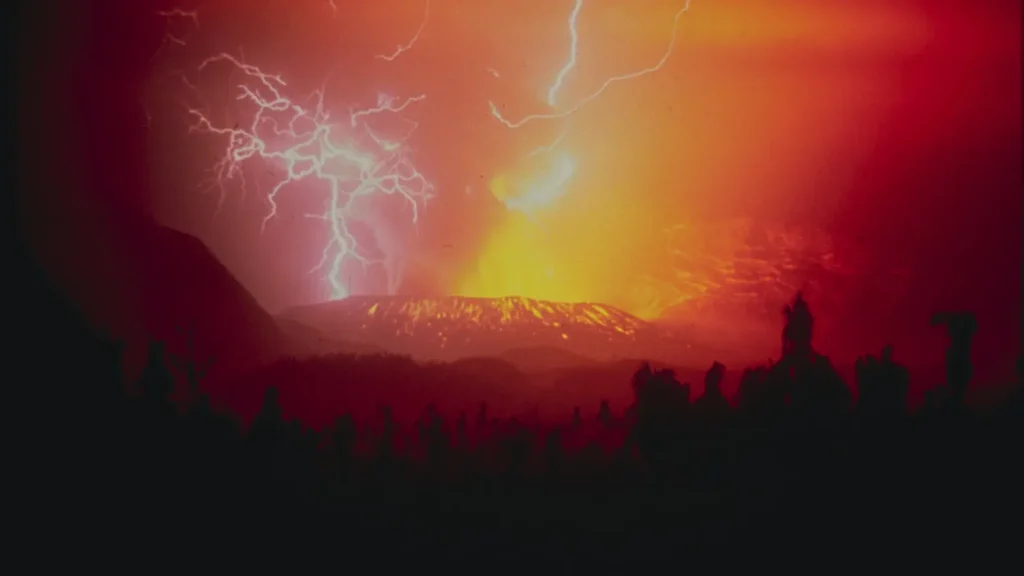
Inside an eruption cloud, colliding ash, ice and fragmented rock can separate electric charge until the plume discharges like a violent thunderstorm.
Why Spacing Study Sessions Makes Memories Last Longer
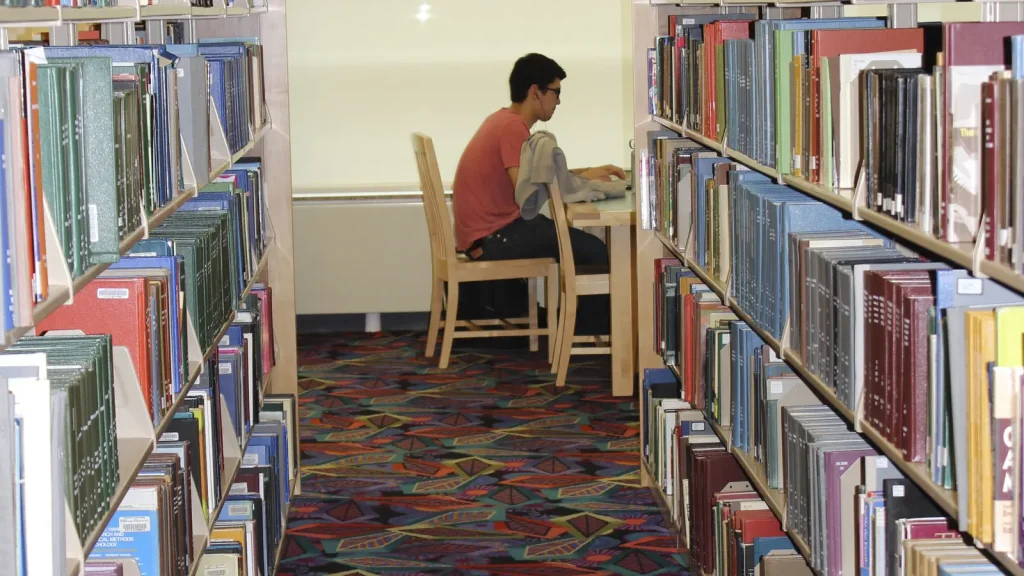
Returning to material over time usually produces more durable learning than packing the same practice into one sitting.
How Your Brain Knows Where Your Body Is
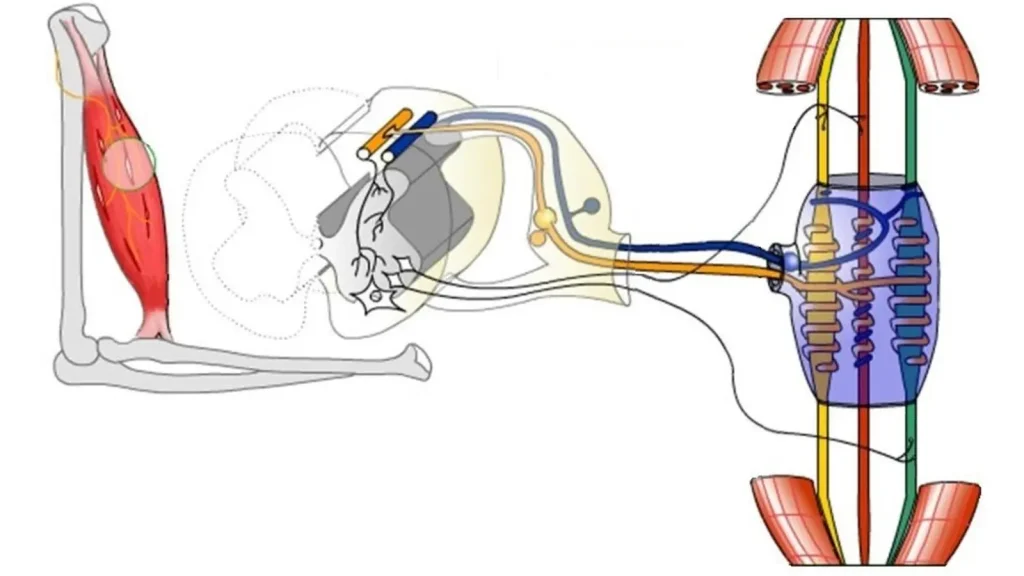
Even with your eyes closed, a distributed sensory system continually estimates the position, movement and effort of your limbs.
How Quantum Computers Detect and Correct Errors
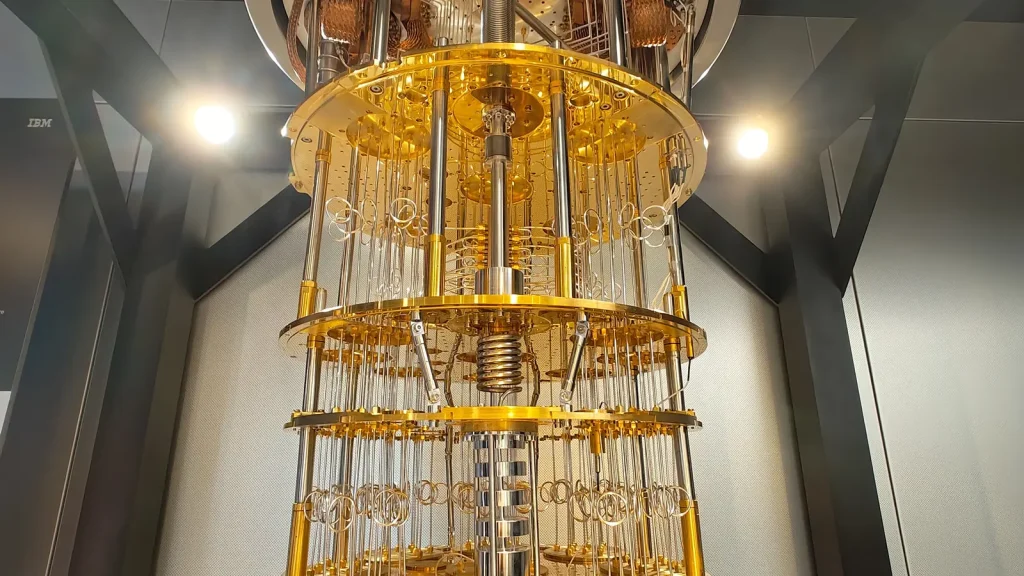
Quantum information is fragile, yet researchers can detect mistakes without directly reading and destroying the state they want to protect.
Why GPS Would Fail Without Einstein’s Relativity
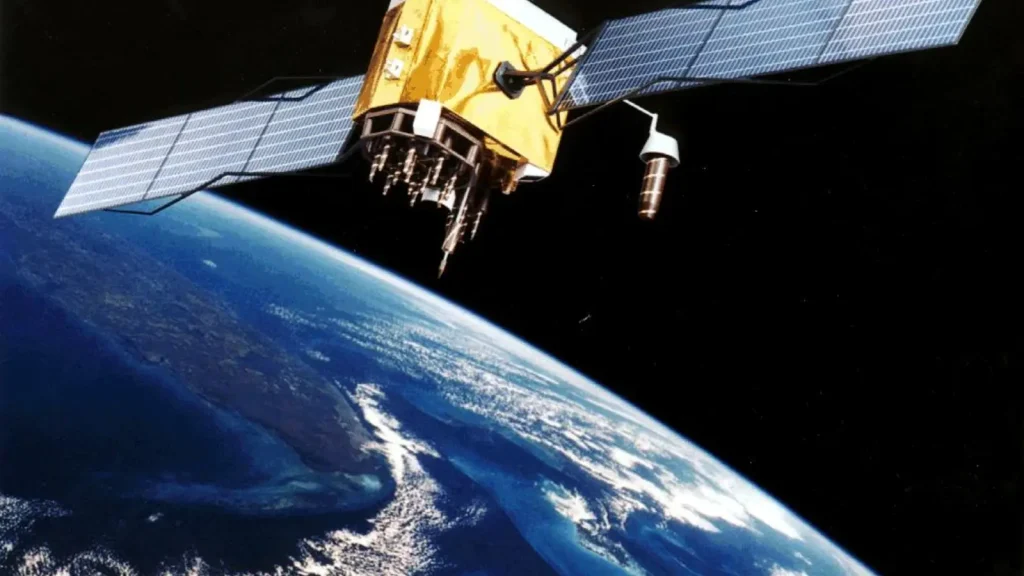
Every GPS position depends on clocks orbiting Earth—and those clocks do not tick at the same rate as clocks on the ground.
How Robots Learn to Walk Without Step-by-Step Programming
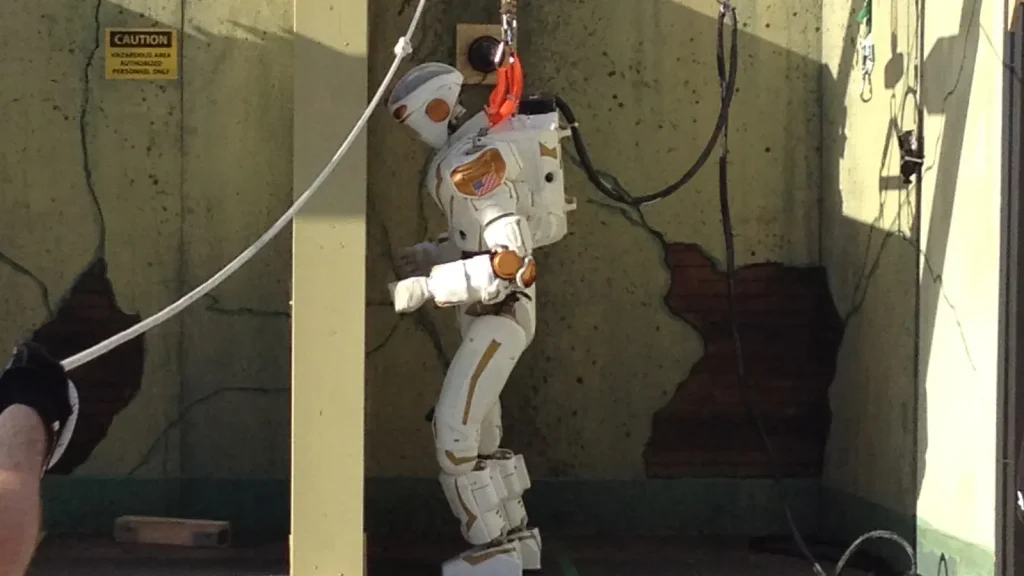
Modern legged robots can practice millions of simulated attempts, optimize a control policy and transfer the result into machines that still have to survive imperfect reality.
What Your Brain Is Doing While You Sleep
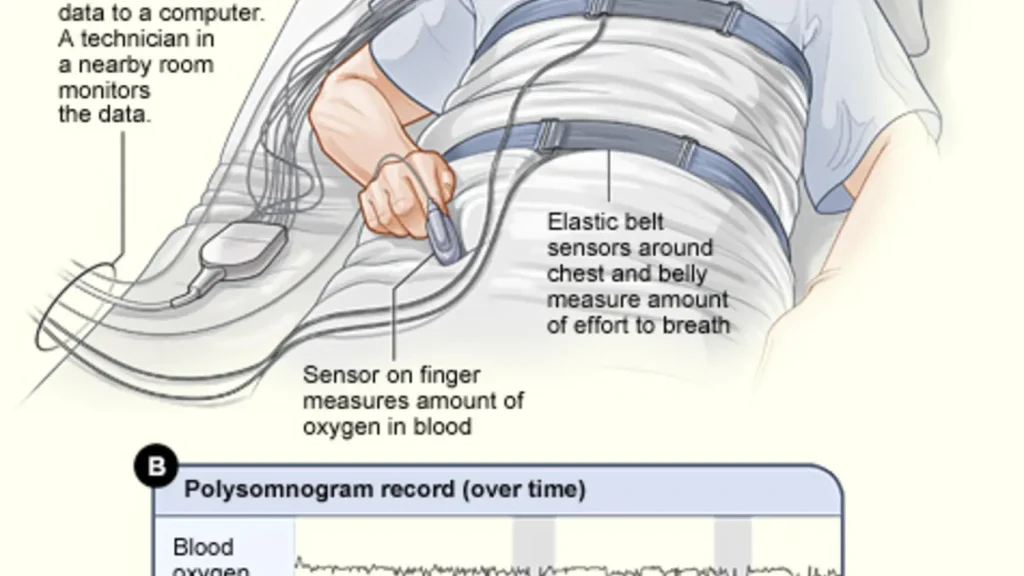
Sleep is not the brain switching off. Neural rhythms, memory processing, emotional regulation and fluid movement change across a repeating architecture of stages.
How LiDAR Reveals Ancient Cities Beneath Forests
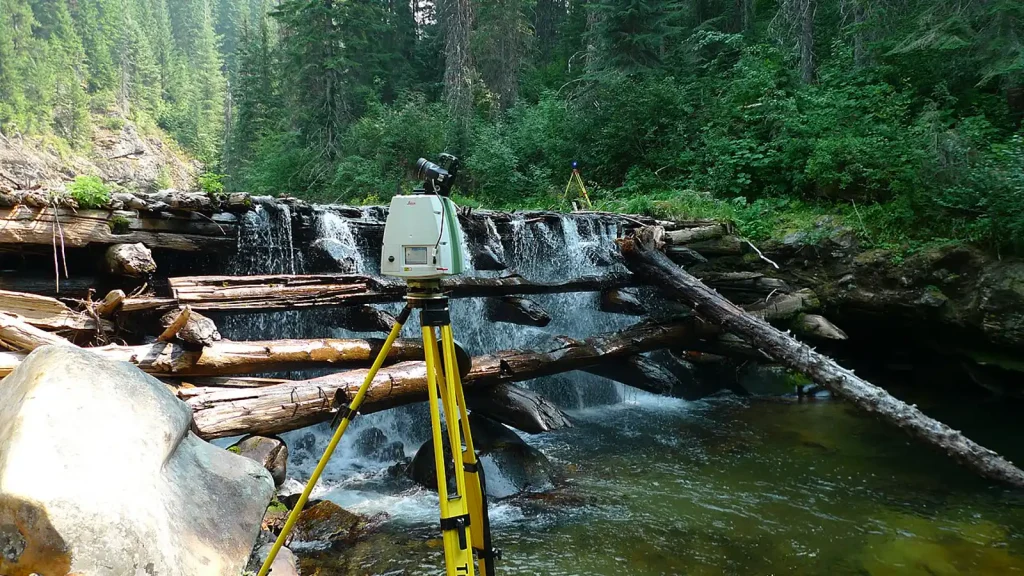
Airborne lasers can map tiny differences in ground elevation through gaps in a canopy, revealing roads, terraces and monumental landscapes—but not replacing archaeology on the ground.