
Archaeology
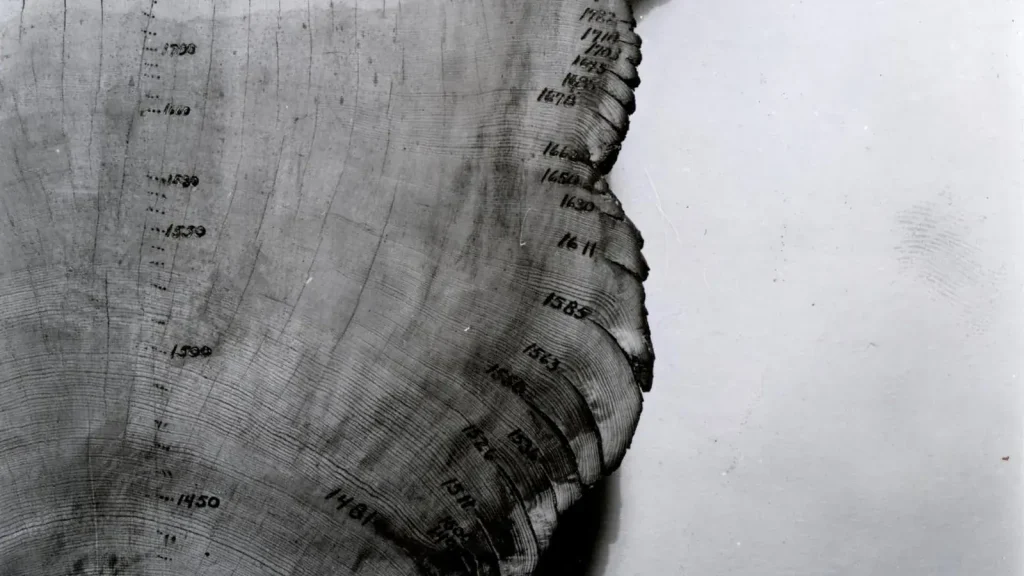
How Tree Rings Put Dates on the Past
Overlapping patterns of wide and narrow growth rings can build exact regional calendars, allowing wood from buildings and sites to be dated while preserving…
Sep 23, 2026 • 13 min readExplore the people, places, inventions and evidence that shape our understanding of the past and the history of knowledge.
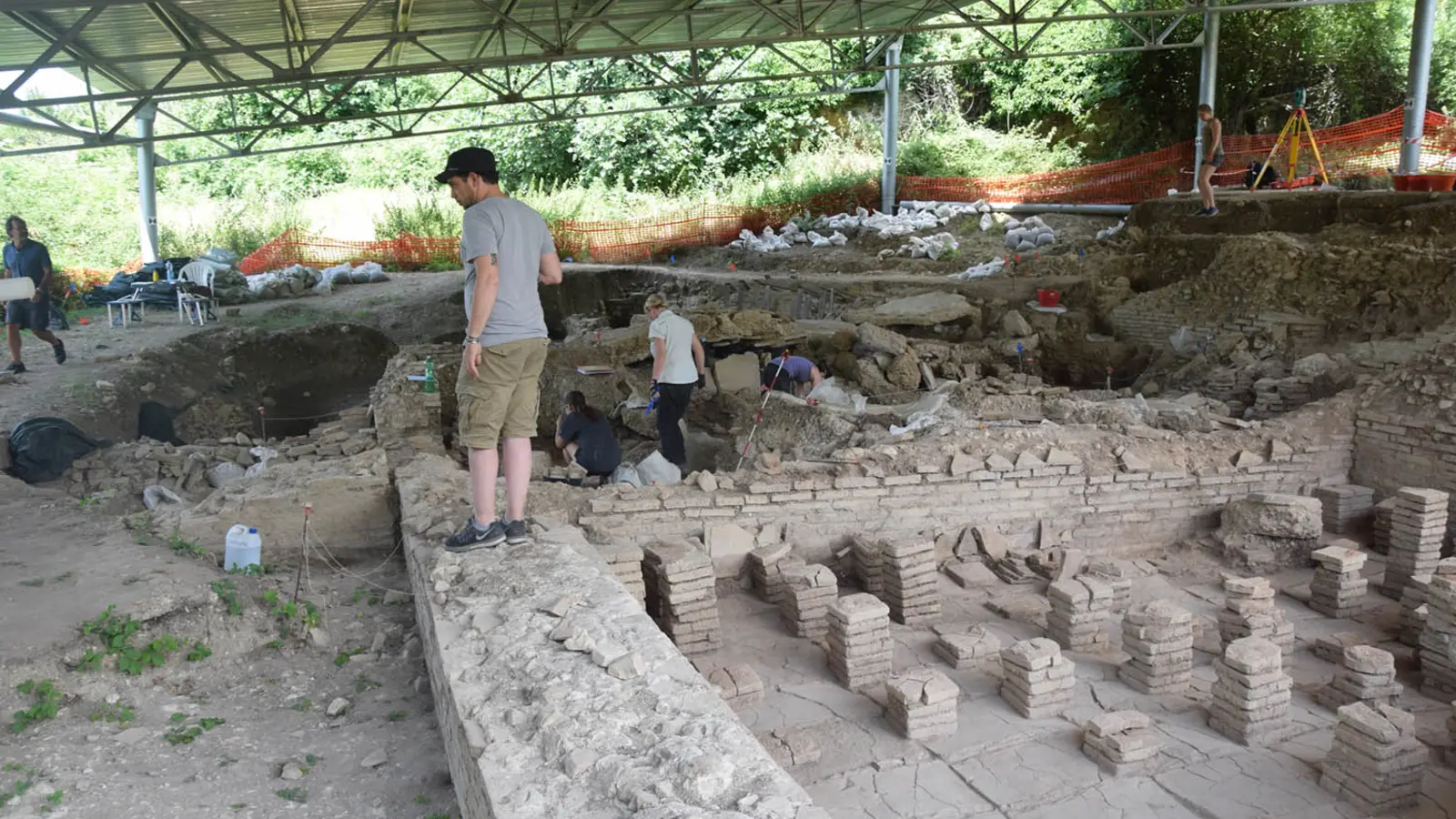
Explore ancient cities beneath Mexico City, Rome and Istanbul—and how archaeologists read layers, date evidence and work beneath living streets.
Sep 16, 2026 • 6 min readRead the discovery →New stories, explanations and research from History & Knowledge.
Overlapping patterns of wide and narrow growth rings can build exact regional calendars, allowing wood from buildings and sites to be dated while preserving…
Sep 23, 2026 • 13 min read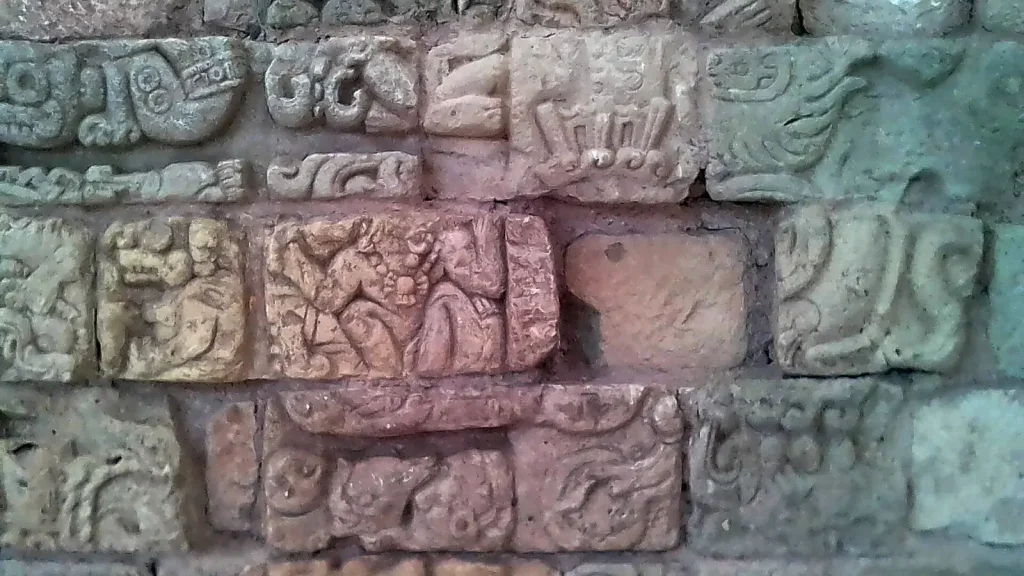
Maya writing combines word signs and syllabic signs. Decipherment advanced by linking sounds, repeated spellings and historical sequences—not by treating every glyph as a…
Sep 22, 2026 • 3 min read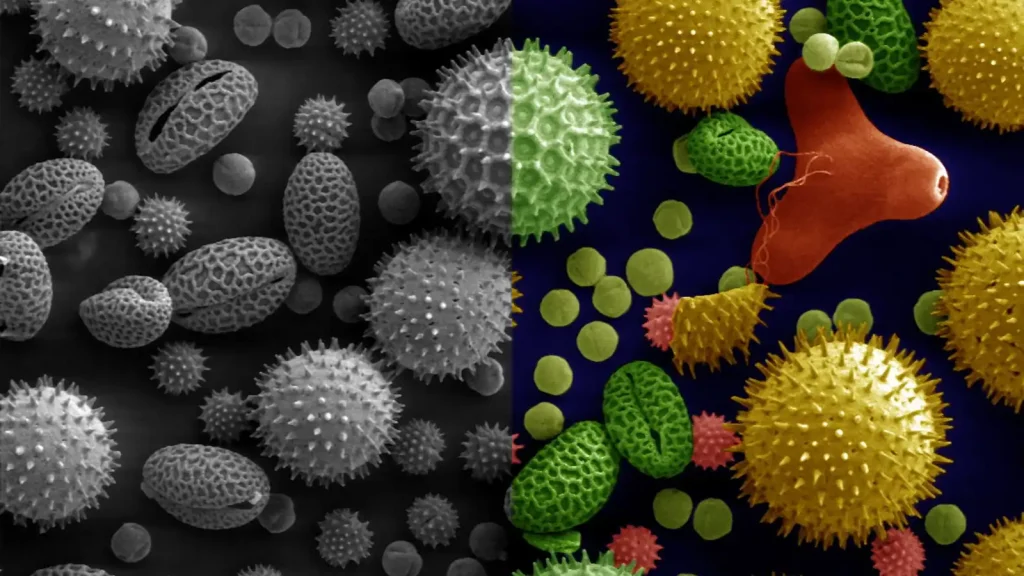
Microscopic grains preserved in sediment reveal changing forests, wetlands, farms, fires and human land use.
Sep 21, 2026 • 12 min read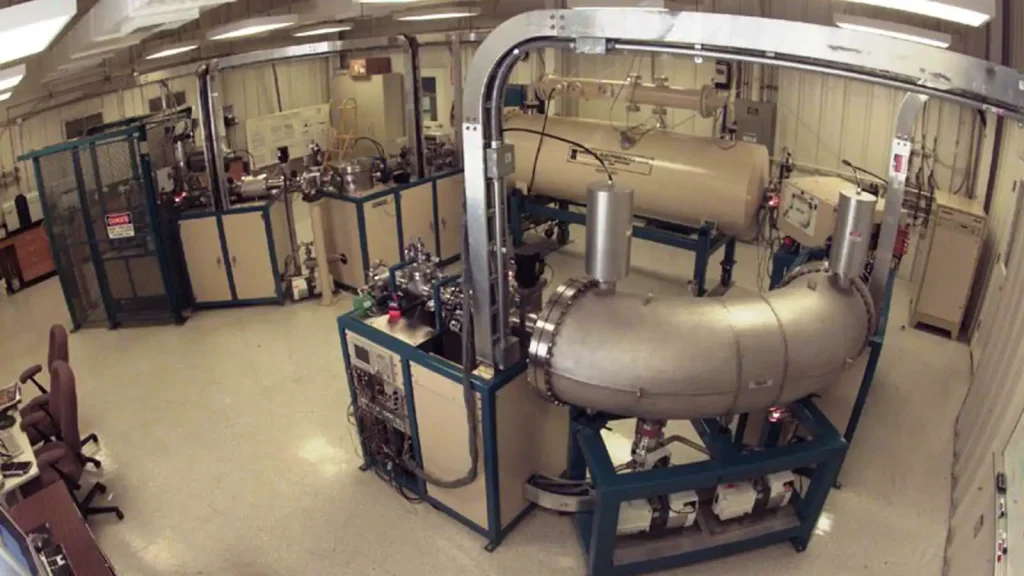
The changing ratio of carbon isotopes can estimate when once-living material stopped exchanging carbon with its environment.
Sep 21, 2026 • 14 min read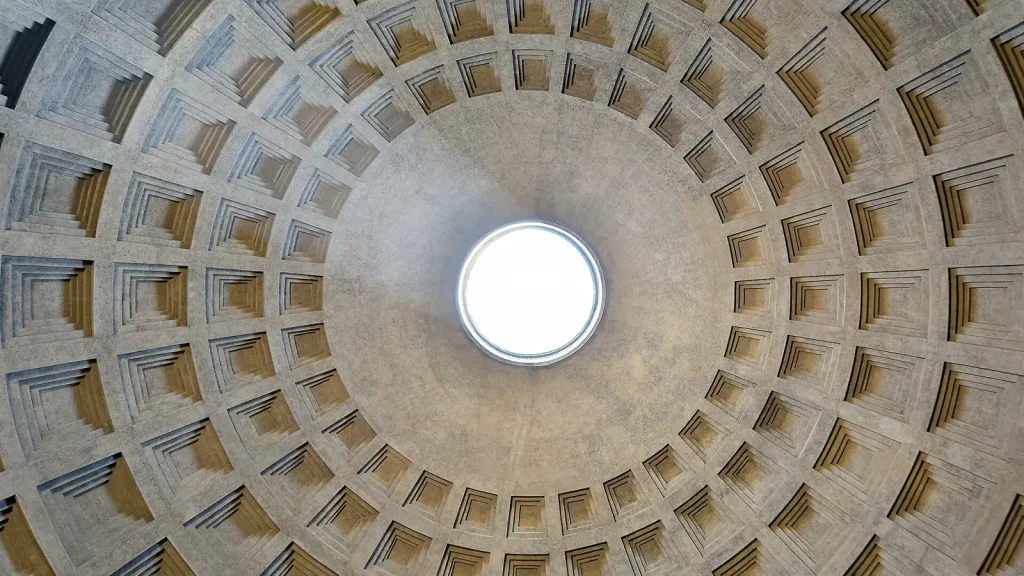
Lime clasts, volcanic materials and water-driven mineral reactions help explain why selected Roman structures endured—and what modern engineers can learn without repeating the myths.
Sep 19, 2026 • 12 min read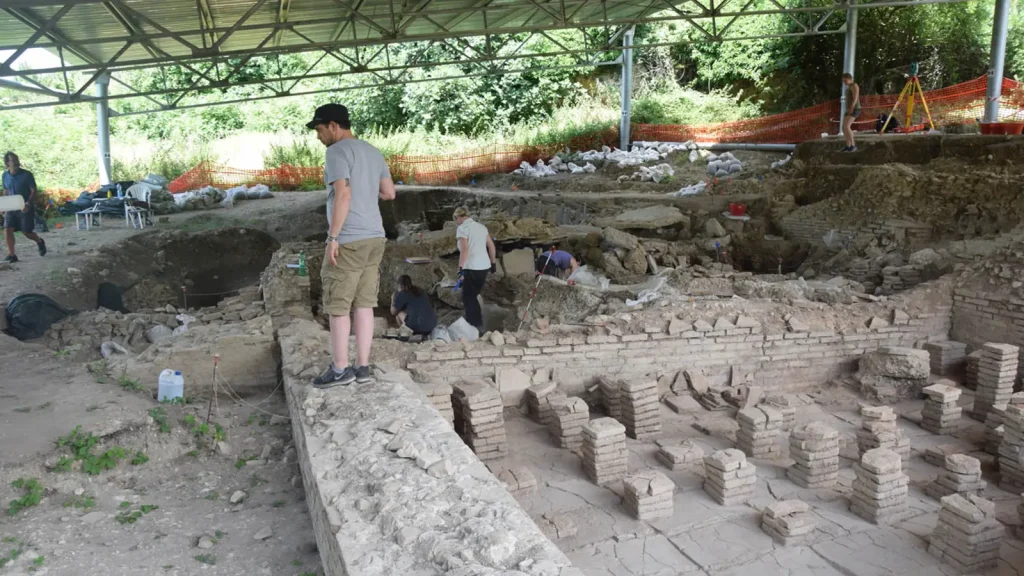
Explore ancient cities beneath Mexico City, Rome and Istanbul—and how archaeologists read layers, date evidence and work beneath living streets.
Sep 16, 2026 • 6 min read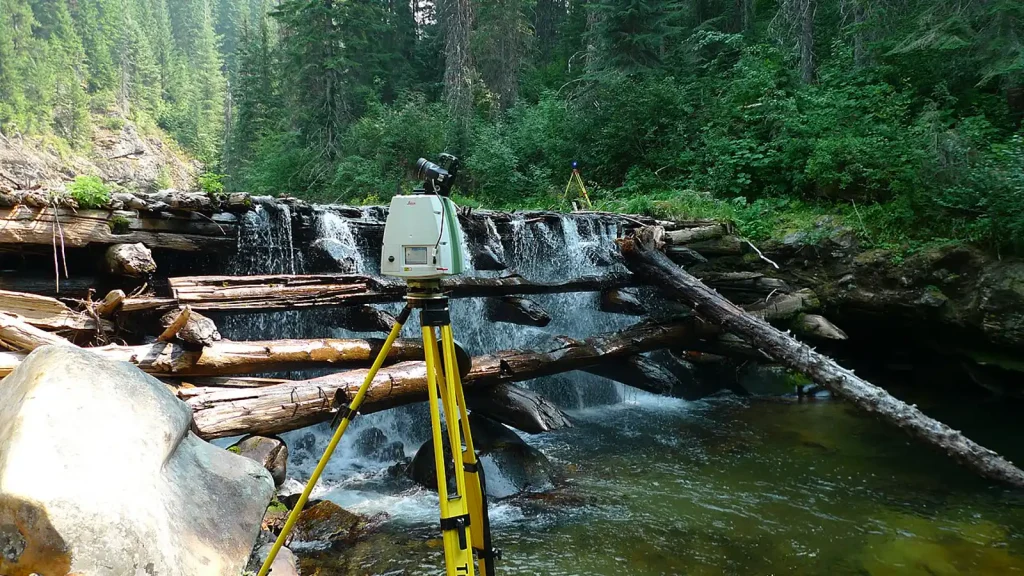
Airborne lasers can map tiny differences in ground elevation through gaps in a canopy, revealing roads, terraces and monumental landscapes—but not replacing archaeology on…
Sep 14, 2026 • 4 min read
Fragments of genetic material recovered from the past reveal population movement, mixture and continuity—but only through careful sampling and statistical comparison.
Sep 13, 2026 • 8 min read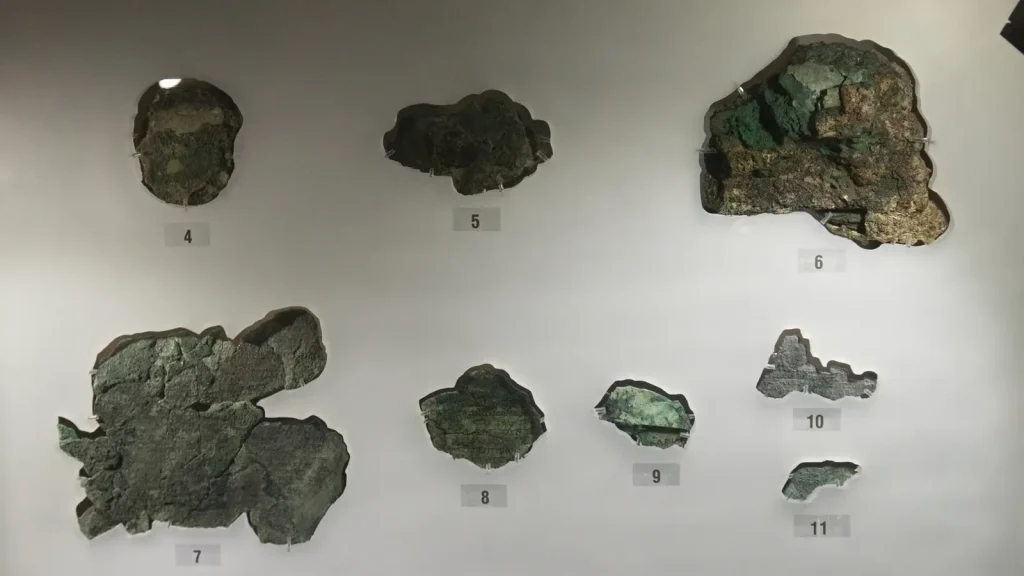
Corroded bronze fragments recovered from a shipwreck preserve an intricate geared model of celestial cycles—and a continuing archaeological puzzle.
Sep 13, 2026 • 8 min read
Microscopic grains preserved in sediment reveal changing forests, wetlands, farms, fires and human land use.
Sep 21, 2026 • 12 min read
The changing ratio of carbon isotopes can estimate when once-living material stopped exchanging carbon with its environment.
Sep 21, 2026 • 14 min read
Lime clasts, volcanic materials and water-driven mineral reactions help explain why selected Roman structures endured—and what modern engineers can learn without repeating the myths.
Sep 19, 2026 • 12 min read
Airborne lasers can map tiny differences in ground elevation through gaps in a canopy, revealing roads, terraces and monumental landscapes—but not replacing archaeology on…
Sep 14, 2026 • 4 min readOne remarkable idea at a time—nature, science, history and beyond.