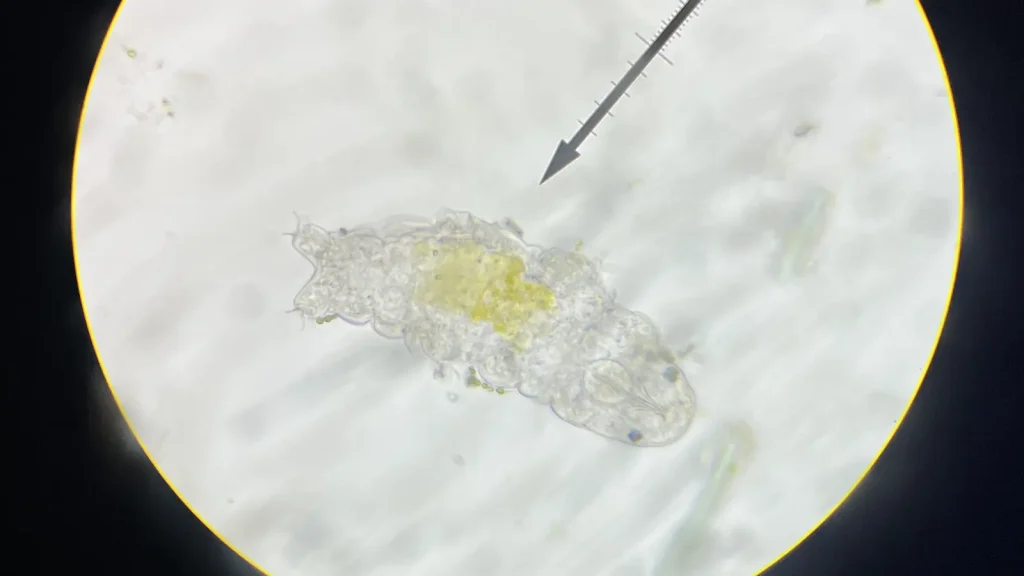
How Tardigrades Survive Extreme Conditions
Tardigrades survive extraordinary laboratory stresses by shutting down, stabilizing molecules and repairing damage—but their famous resilience has strict limits.
Sep 13, 2026 • 13 min readExplore wildlife, plants, fungi and ecosystems, discovering the adaptations and relationships that connect living things to their environments.
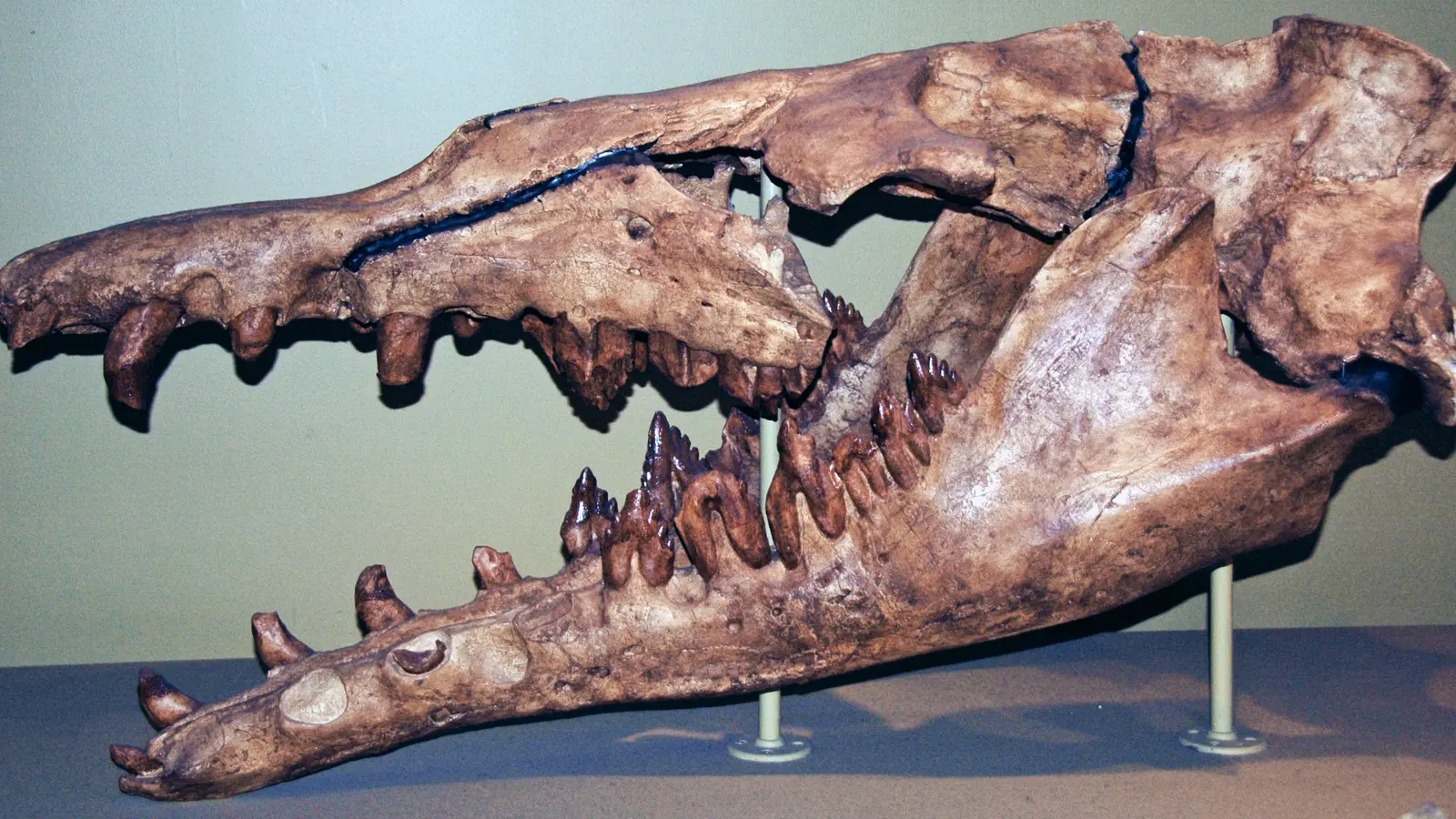
Whales carry the history of land mammals inside their ears, ankles, spines and genes. Their fossil record documents one of evolution’s most dramatic returns to the sea.
Sep 16, 2026 • 4 min readRead the discovery →New stories, explanations and research from Nature & Wildlife.
Tardigrades survive extraordinary laboratory stresses by shutting down, stabilizing molecules and repairing damage—but their famous resilience has strict limits.
Sep 13, 2026 • 13 min read
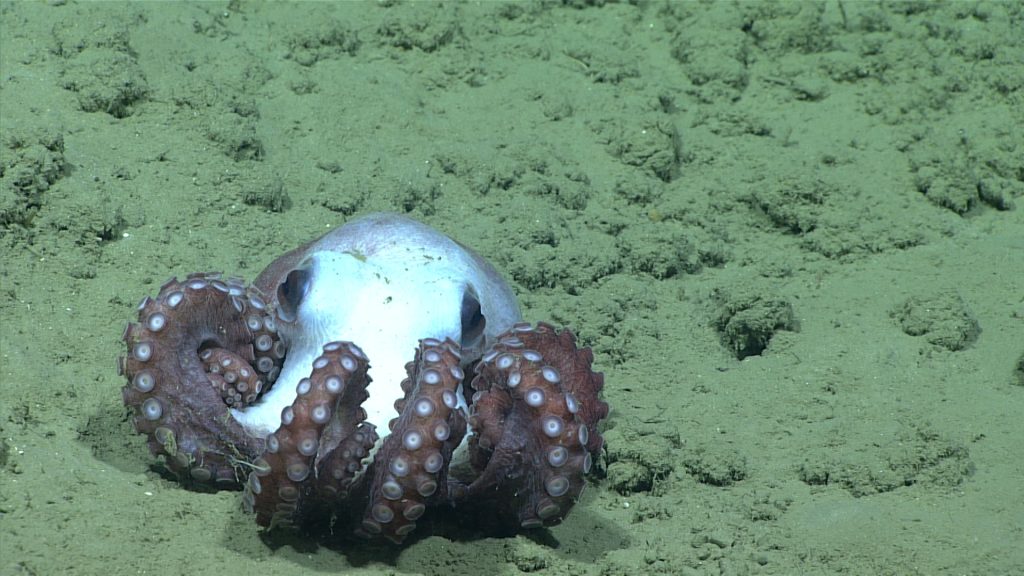
Explore octopus intelligence, learning, camouflage and distributed arm control—and why the popular claim that they have nine brains is misleading.
Sep 12, 2026 • 12 min read
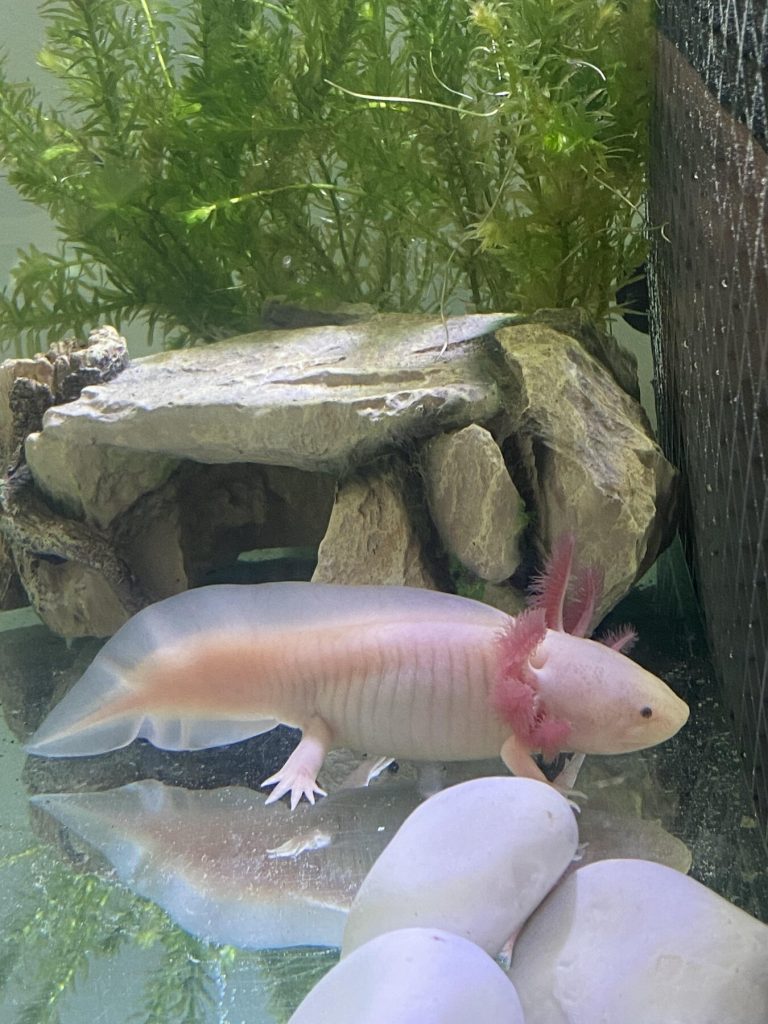
Axolotls can regenerate parts of an injured brain. Discover how the process works, what experiments show and why it is not yet a human…
Sep 11, 2026 • 12 min read
A continuous hydraulic pathway connects moisture in soil to evaporation from leaves high above the ground.
Sep 21, 2026 • 12 min read
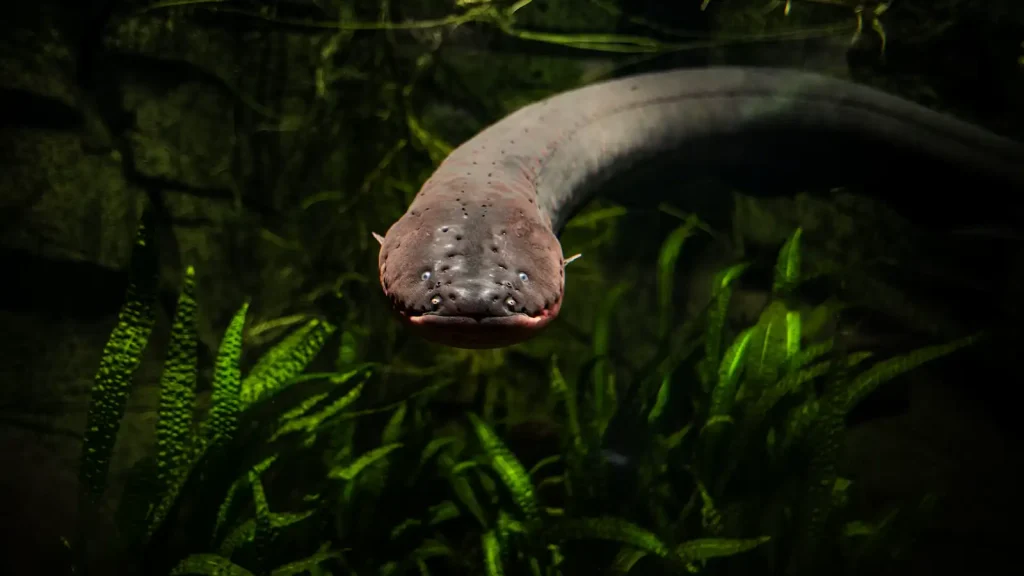
Thousands of specialized cells fire in sequence, turning ordinary ion gradients into precisely controlled electrical pulses.
Sep 21, 2026 • 14 min read
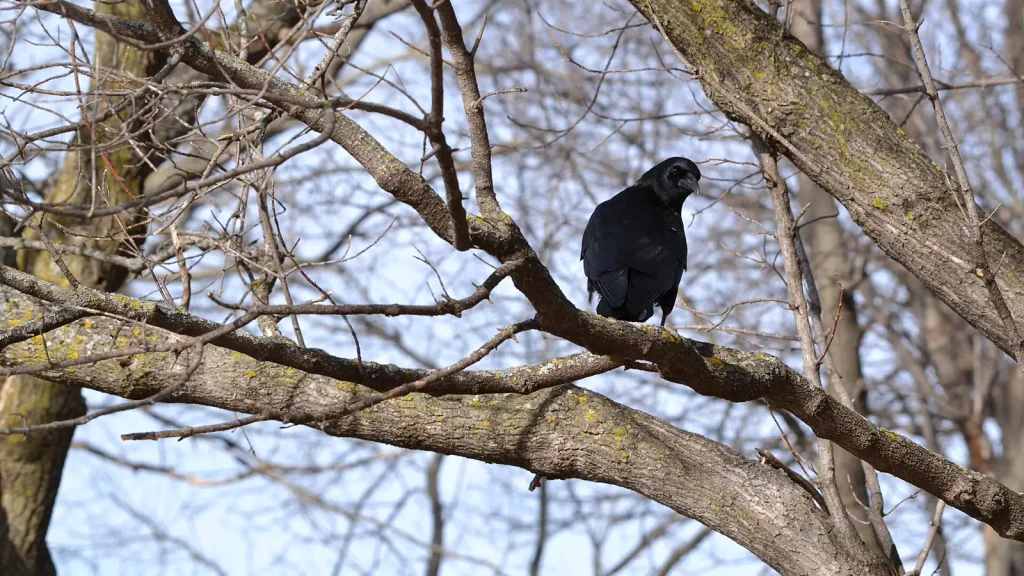
Field experiments show that crows can remember particular human faces and that social encounters spread information about danger.
Sep 19, 2026 • 12 min read
Living corals, algae, waves and sediments work across centuries to create reef frameworks, beaches and islands while reducing incoming wave energy.
Sep 18, 2026 • 13 min readOne remarkable idea at a time—nature, science, history and beyond.