Skip to content
FIELD NOTES

Nature & Wildlife

Explore wildlife, plants, fungi and ecosystems, discovering the adaptations and relationships that connect living things to their environments.

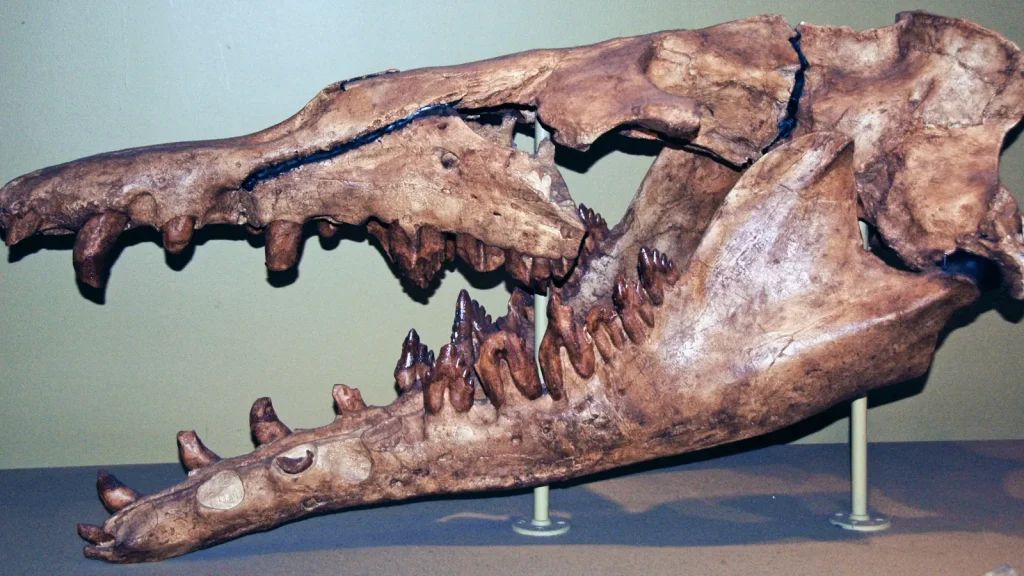
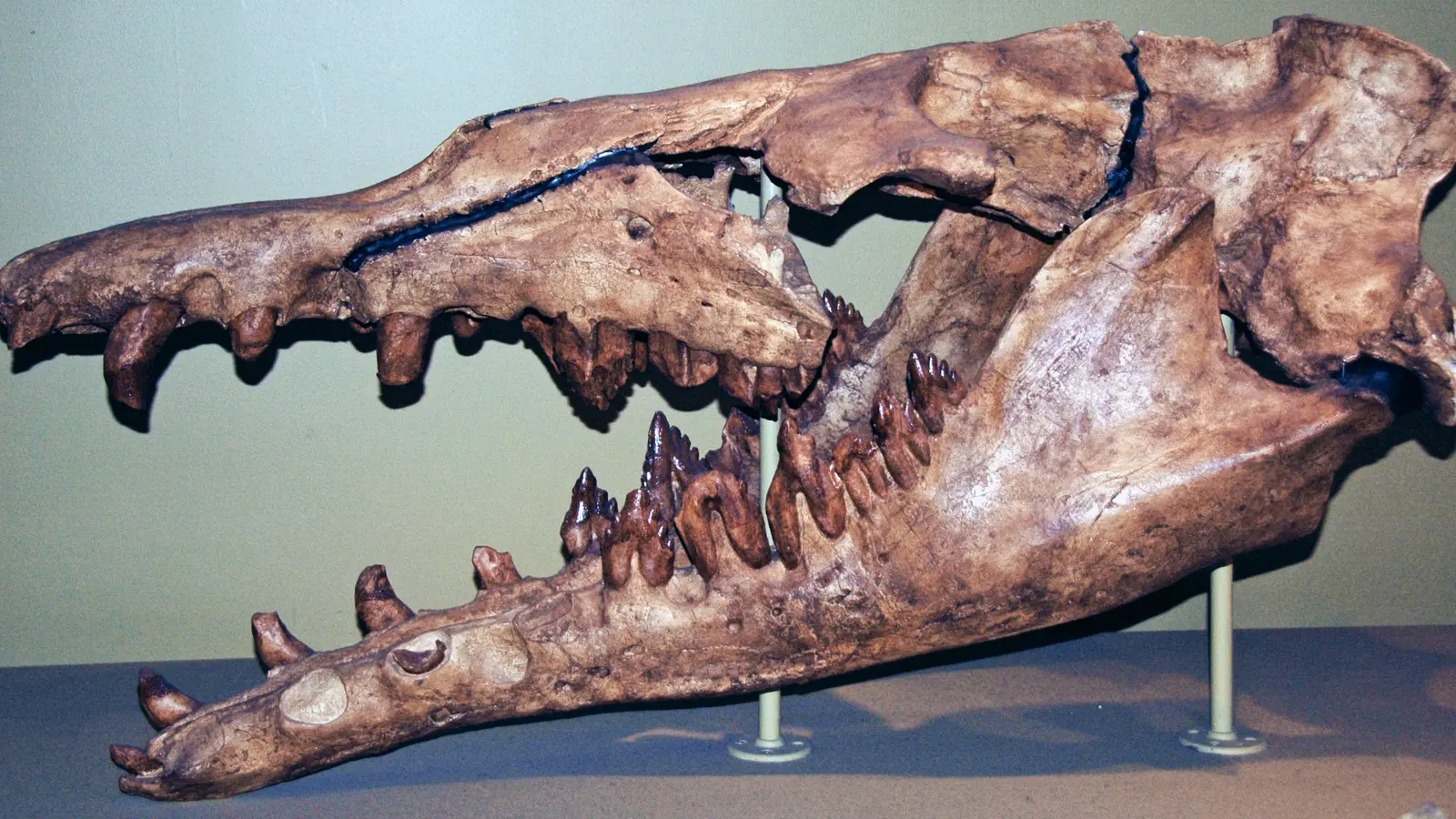
Fossil skeleton of the ancient whale Basilosaurus in a museum display
EDITOR’S PICK

How Whales Went From Walking on Land to Living in the Ocean

Whales carry the history of land mammals inside their ears, ankles, spines and genes. Their fossil record documents one of evolution’s most dramatic returns to the sea.

Sep 16, 2026 • 4 min readRead the discovery →
LATEST

Latest discoveries

New stories, explanations and research from Nature & Wildlife.

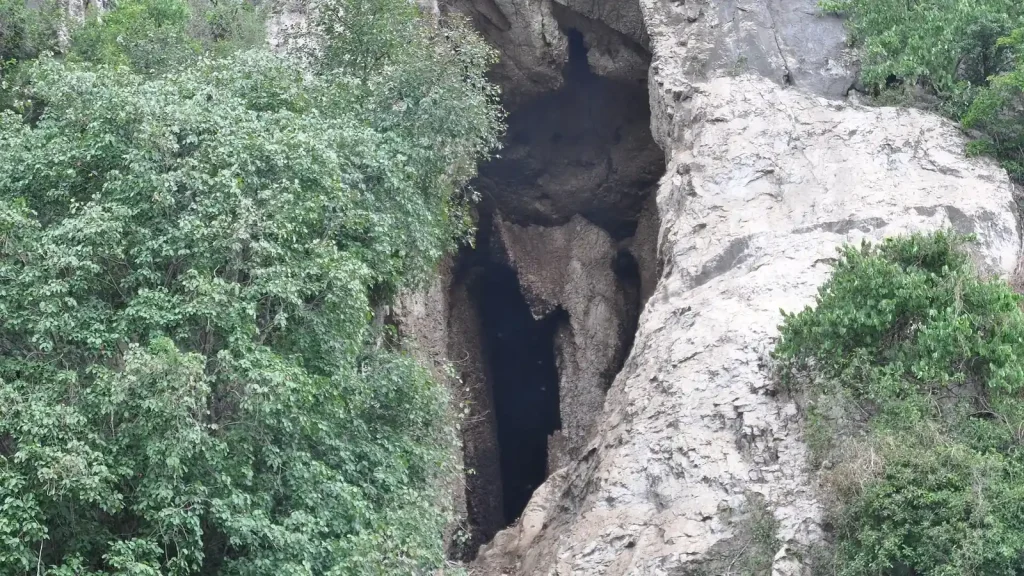
Rocky cave entrance used by a large bat colony, surrounded by green trees
Animal Behavior

How Bats Avoid Collisions in Crowded Skies

Crowded flight challenges bat sonar with competing calls and moving obstacles. Experiments show several responses, rather than one universal anti-jamming trick.

Sep 23, 2026 • 3 min read
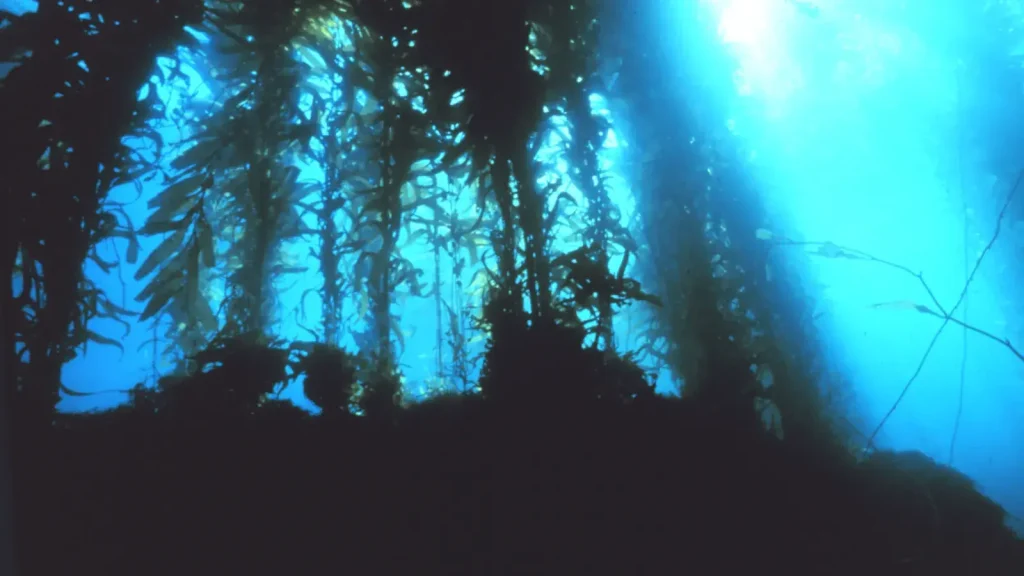
Sunlight filtering through a dense underwater kelp forest
Nature & Wildlife

How Kelp Forests Reshape Coastal Ecosystems

Kelp creates underwater structure, food and shelter. Grazers, predators, temperature and storms help determine whether a forest persists or becomes an urchin barren.

Sep 23, 2026 • 3 min read
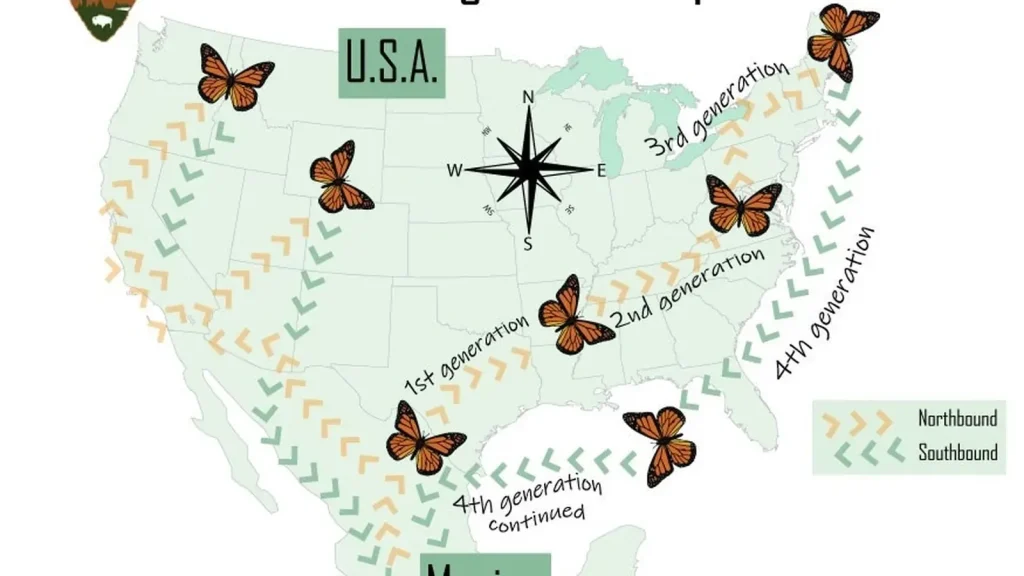
How Monarch Butterflies Navigate Across a Continent featured reference image
Animal Behavior

How Monarch Butterflies Navigate Across a Continent

Migrating monarch butterflies combine a time-compensated Sun compass with environmental cues and inherited seasonal behaviour to travel toward overwintering regions they have never previously…

Sep 23, 2026 • 12 min read
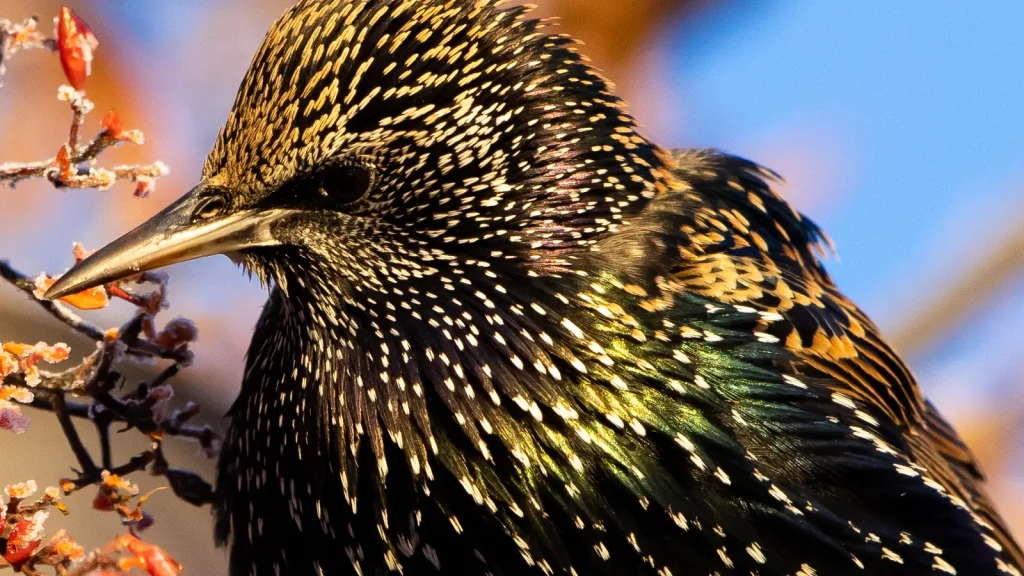
European starling perched among red mountain ash berries in winter
Animal Behavior

Why Birds See Colors Humans Cannot

Many birds divide daylight into four color channels, revealing ultraviolet contrasts in feathers, food and landscapes that human vision compresses or misses.

Sep 16, 2026 • 13 min read