
Animal Behavior
Why Do Cats Land on Their Feet?
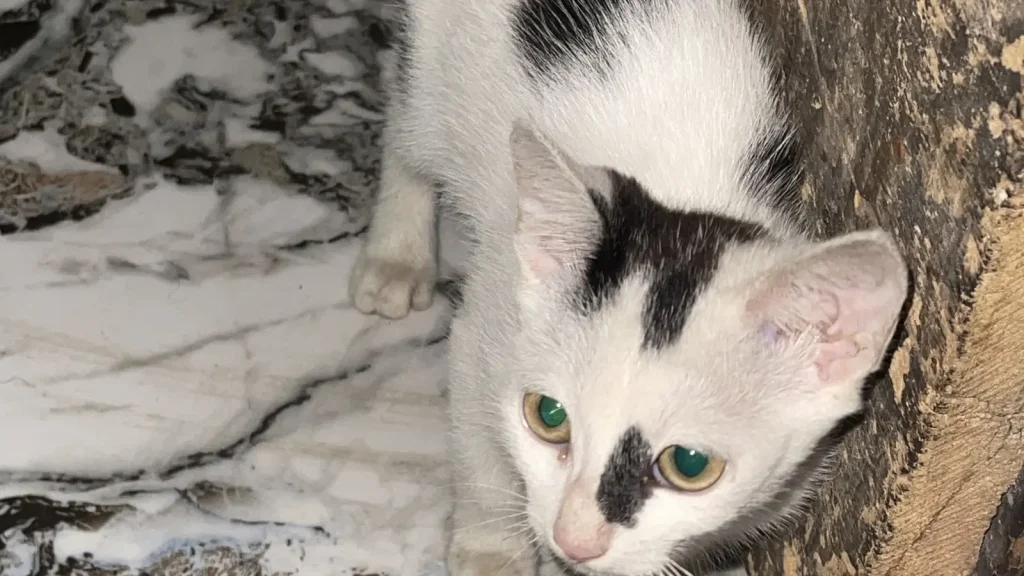
Cats often land feet-first because their vestibular and visual systems detect orientation, then a flexible spine and coordinated limb movements rotate the front and…
Oct 4, 2026 • 13 min readExplore wildlife, plants, fungi and ecosystems, discovering the adaptations and relationships that connect living things to their environments.
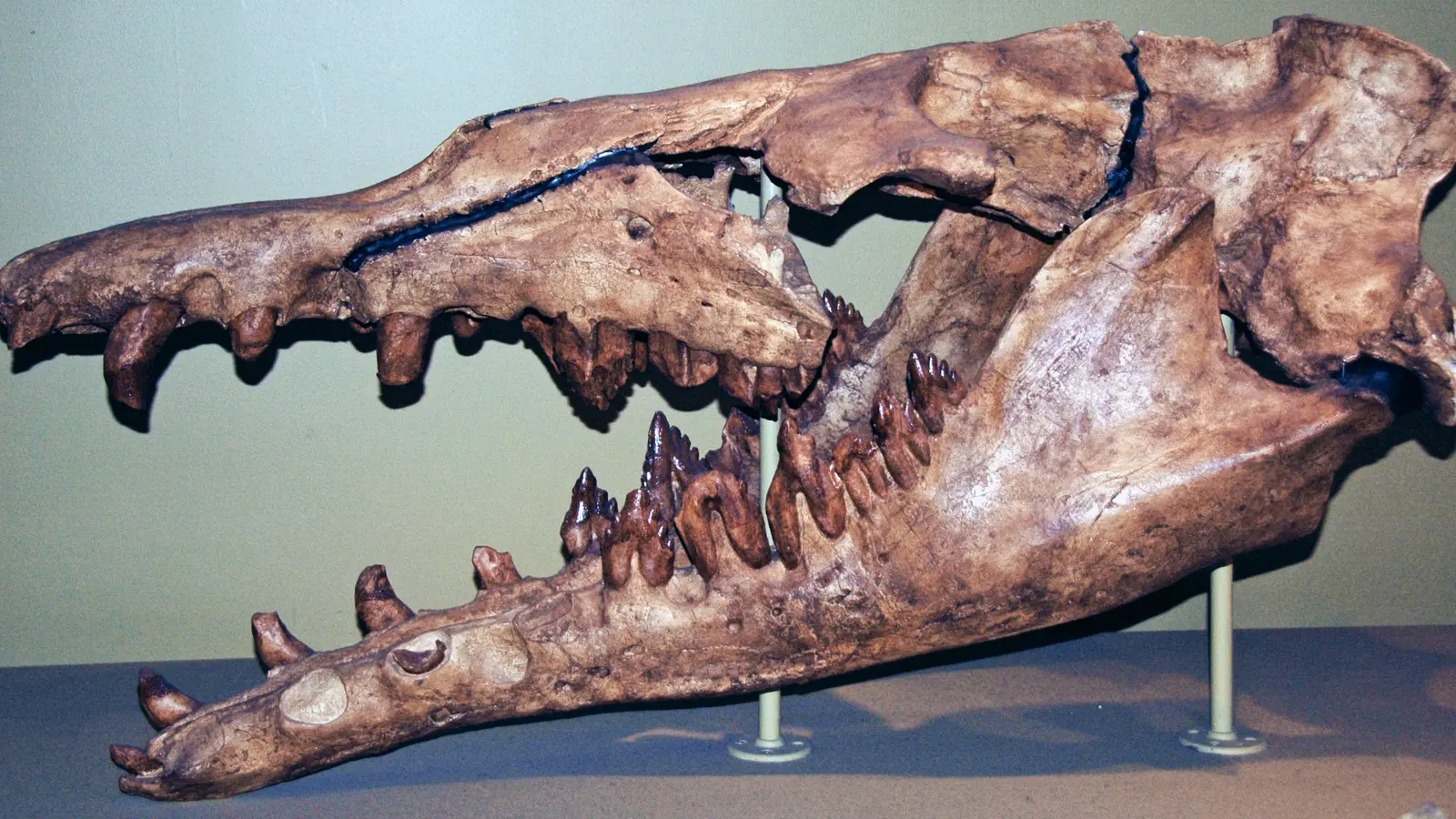
Whales carry the history of land mammals inside their ears, ankles, spines and genes. Their fossil record documents one of evolution’s most dramatic returns to the sea.
Sep 16, 2026 • 4 min readRead the discovery →New stories, explanations and research from Nature & Wildlife.
Cats often land feet-first because their vestibular and visual systems detect orientation, then a flexible spine and coordinated limb movements rotate the front and…
Oct 4, 2026 • 13 min read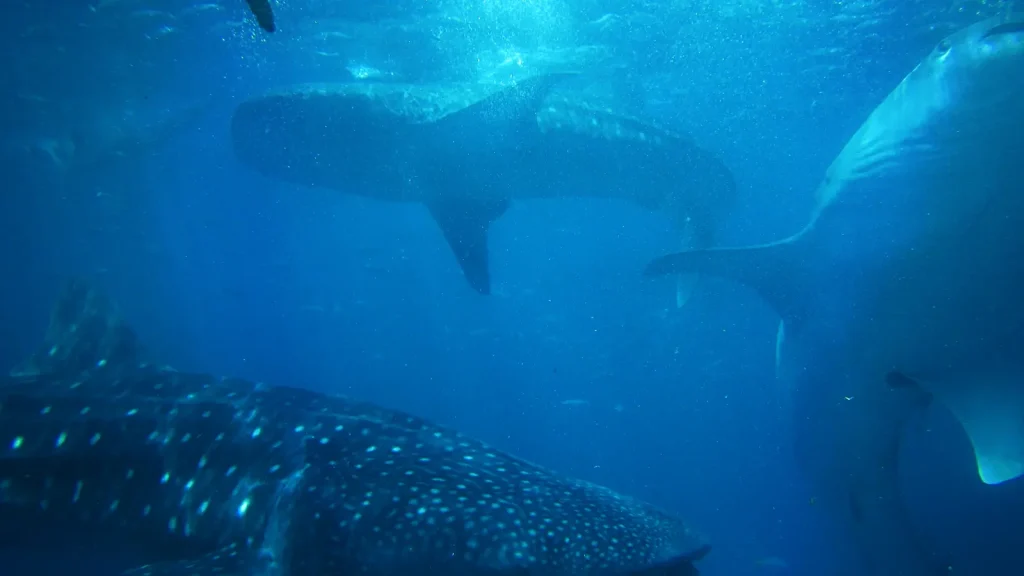
Most fish breathe by moving water across gills. Oxygen dissolved in water diffuses through thin gill surfaces into blood, while carbon dioxide diffuses out.…
Oct 4, 2026 • 13 min read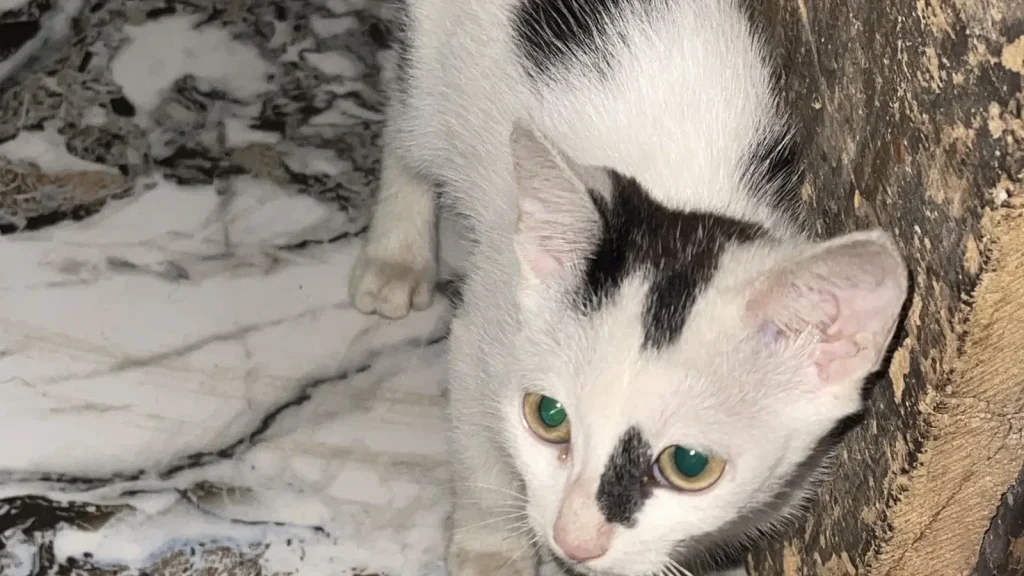
Cats use purring in more than one context. Research on the voice box explains how the low sound can form, while communication studies help…
Oct 3, 2026 • 3 min read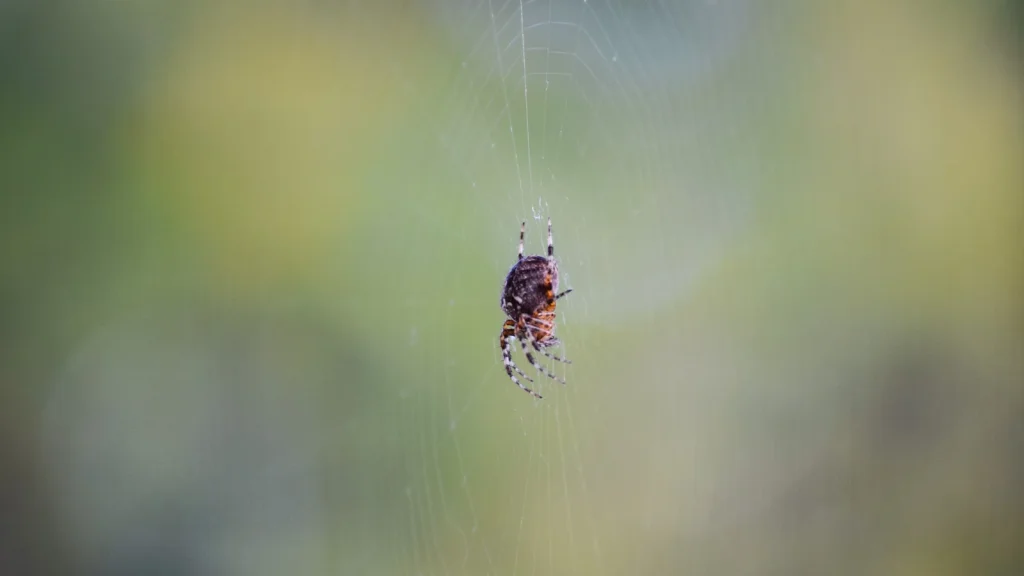
Spiders make silk proteins in abdominal glands, store them as a concentrated liquid and pull the material through ducts and microscopic spigots on spinnerets.…
Oct 3, 2026 • 12 min read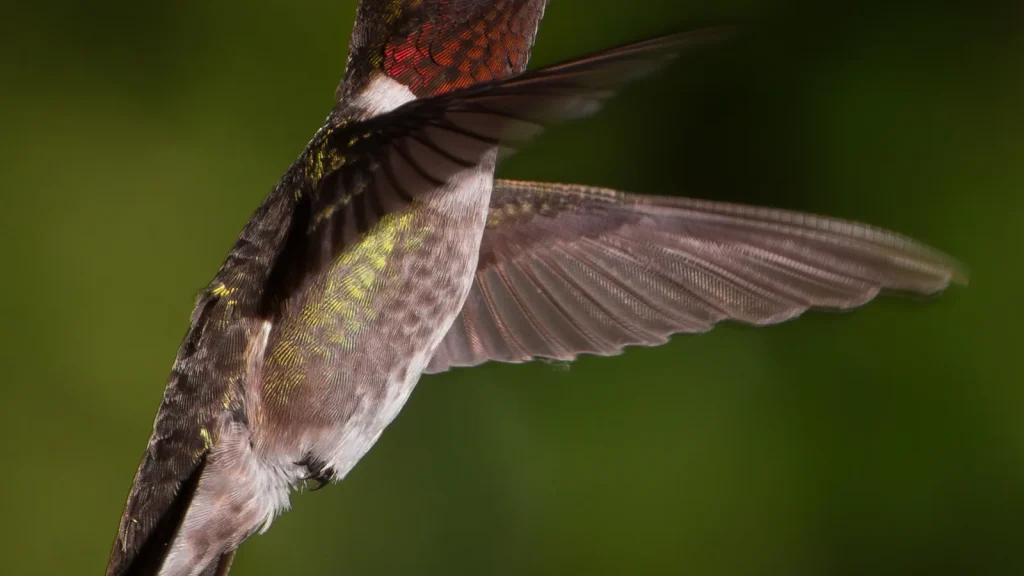
Hummingbirds hover by sweeping their wings back and forth in a flattened figure-eight pattern while rotating them at the shoulder. Unlike most birds, they…
Oct 1, 2026 • 12 min read
Fireflies glow through bioluminescence in specialized abdominal organs. Luciferase activates luciferin using ATP, then oxygen helps create excited oxyluciferin. As that product returns to…
Oct 1, 2026 • 12 min read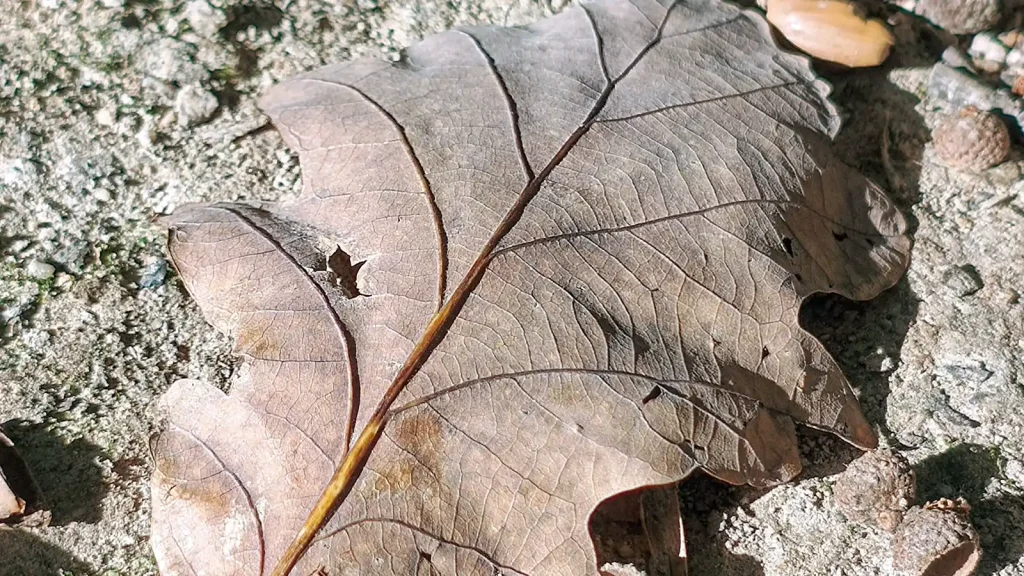
Leaves change colour as deciduous trees prepare for winter. Shorter days help trigger senescence, chlorophyll is dismantled and nutrients are recovered. Yellow and orange…
Oct 1, 2026 • 13 min read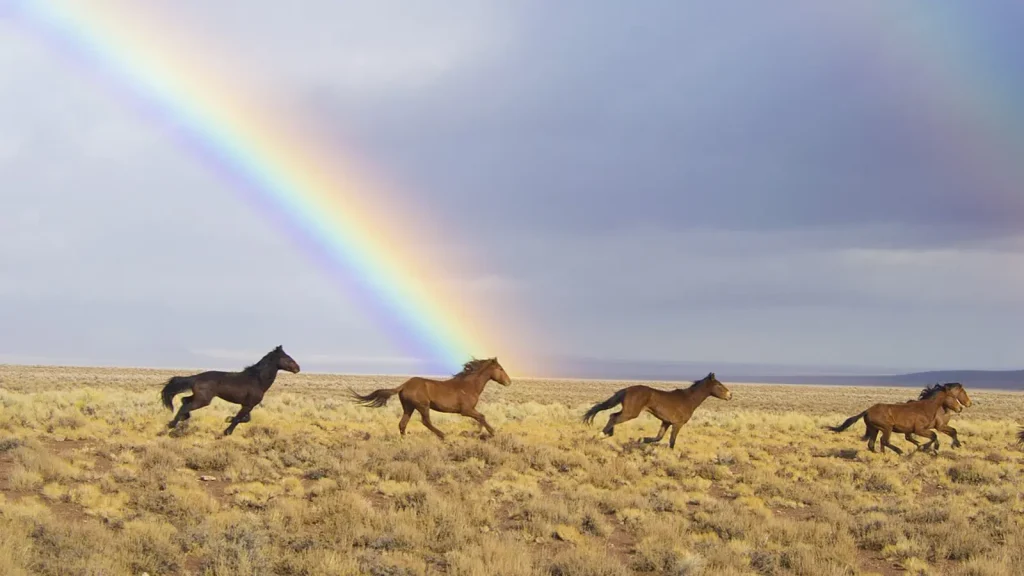
Horses did not evolve in a straight line from a tiny ancestor into the modern animal. Their family tree branched repeatedly as climates and…
Oct 1, 2026 • 14 min read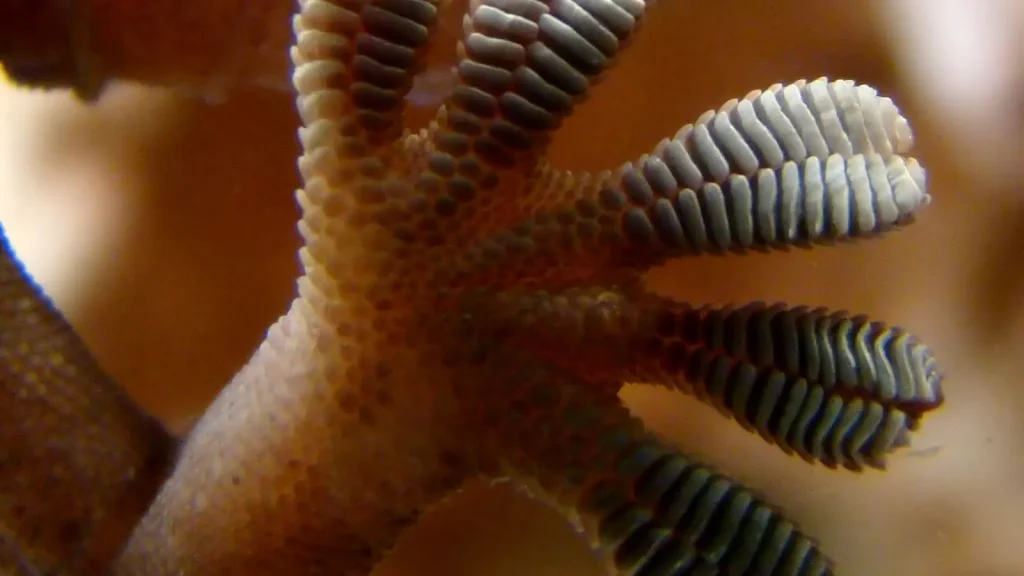
Many geckos cling without glue or suction cups. Microscopic hairs called setae branch into nanoscale tips that make extremely close contact with a surface.…
Oct 1, 2026 • 14 min read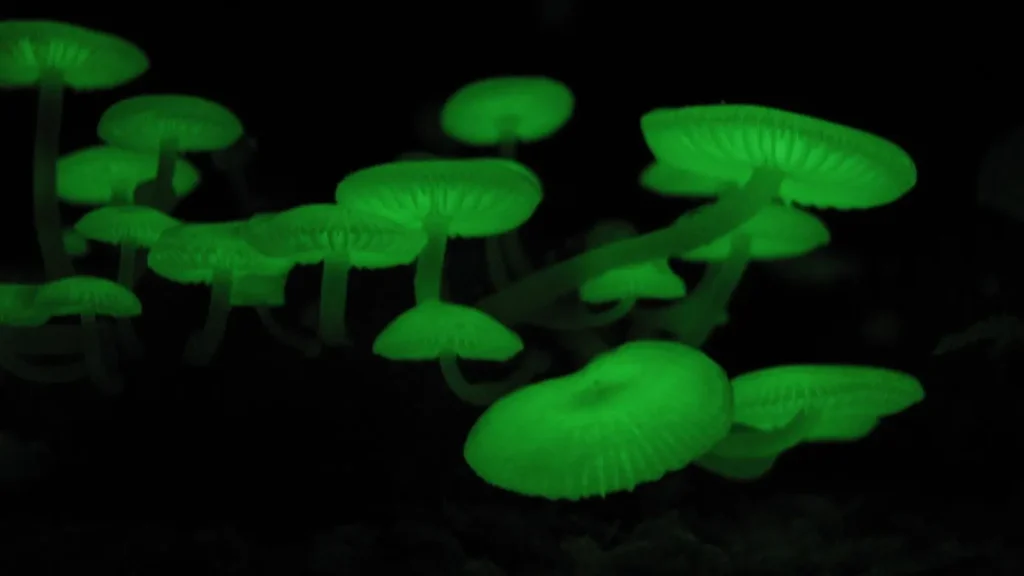
Light-producing chemistry explains the green glow. Experiments with glowing mushrooms and insect traps help test what that light might do in a forest.
Sep 30, 2026 • 3 min read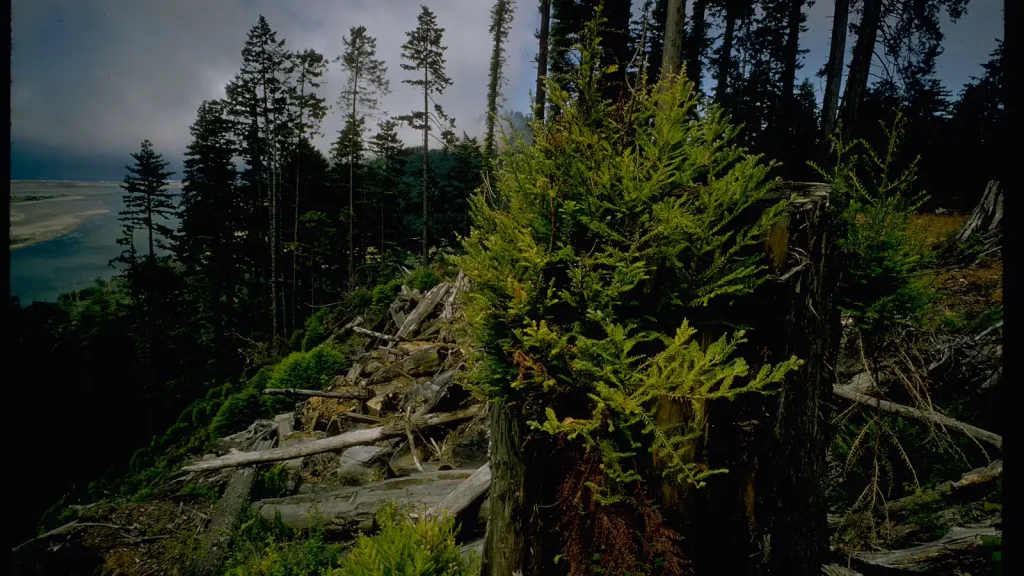
A continuous hydraulic pathway connects moisture in soil to evaporation from leaves high above the ground.
Sep 21, 2026 • 12 min read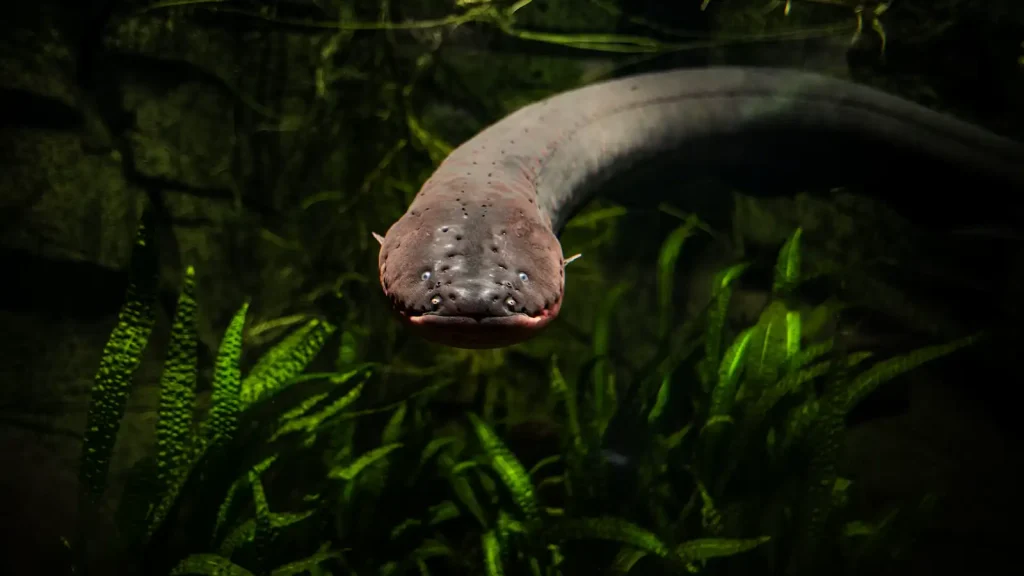
Thousands of specialized cells fire in sequence, turning ordinary ion gradients into precisely controlled electrical pulses.
Sep 21, 2026 • 14 min read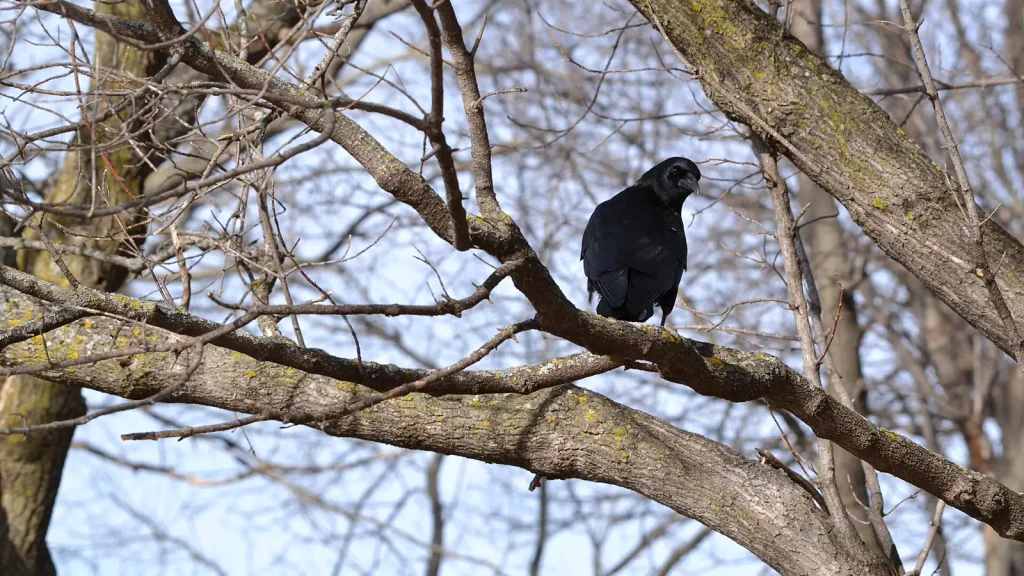
Field experiments show that crows can remember particular human faces and that social encounters spread information about danger.
Sep 19, 2026 • 12 min read
Living corals, algae, waves and sediments work across centuries to create reef frameworks, beaches and islands while reducing incoming wave energy.
Sep 18, 2026 • 13 min readOne remarkable idea at a time—nature, science, history and beyond.