
Physics
Why Does Static Electricity Make Hair Stand Up?
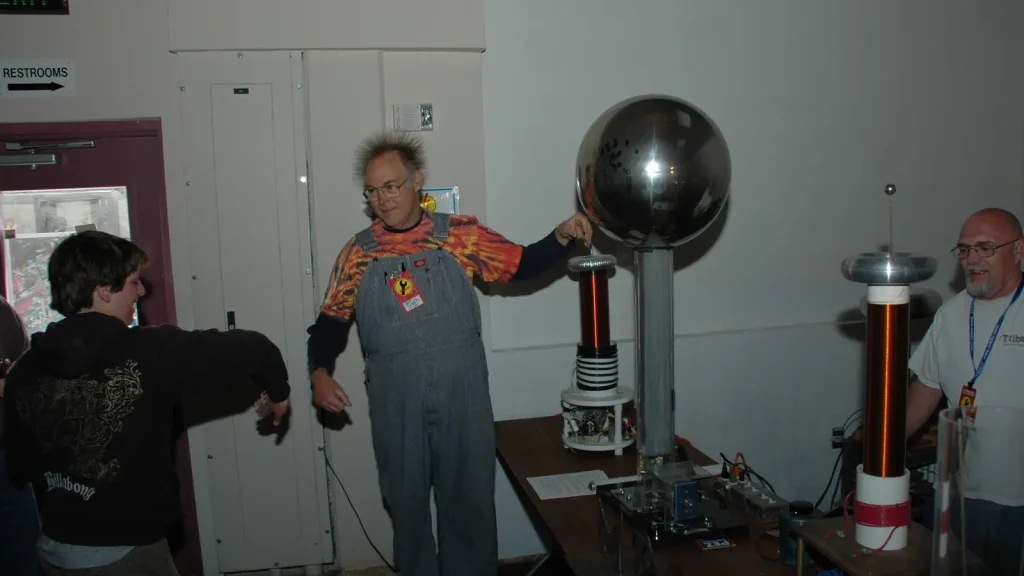
Static electricity makes hair stand up when electrons move between materials and leave many hairs with the same net charge. Like charges repel, so…
Oct 9, 2026 • 13 min readExplore scientific questions, experiments and discoveries, with explanations of the evidence and methods behind what researchers conclude.
Science advances by turning questions into testable ideas, confronting them with evidence and revising what we think we know. Here is how that process really works—and why uncertainty is a strength, not a flaw.
Sep 12, 2026 • 8 min readRead the discovery →New stories, explanations and research from Science.
Static electricity makes hair stand up when electrons move between materials and leave many hairs with the same net charge. Like charges repel, so…
Oct 9, 2026 • 13 min read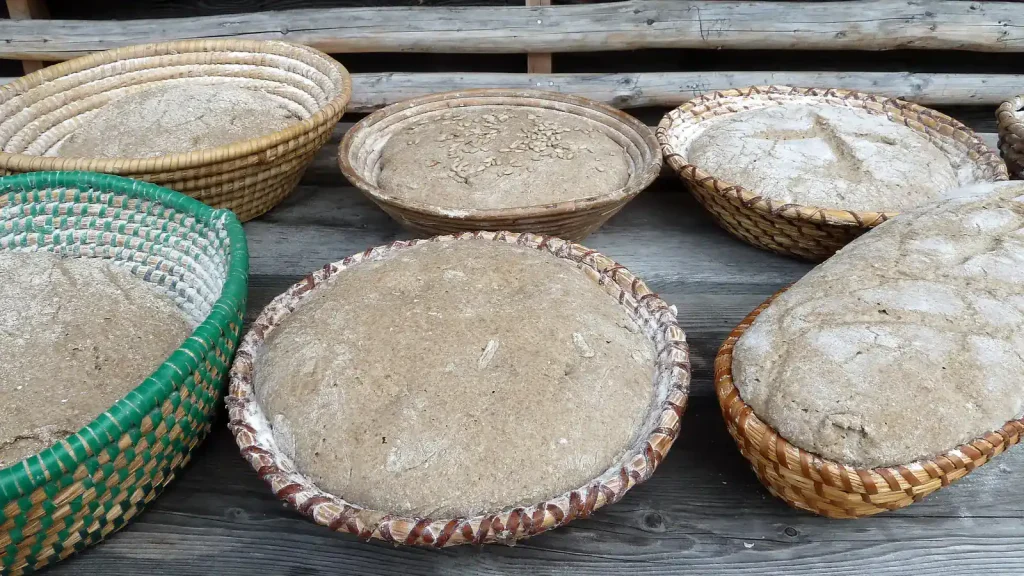
Bread rises because baker’s yeast metabolizes available sugars and releases carbon dioxide. Gas accumulates in tiny bubbles that expand inside the dough. Hydrated flour…
Oct 7, 2026 • 13 min read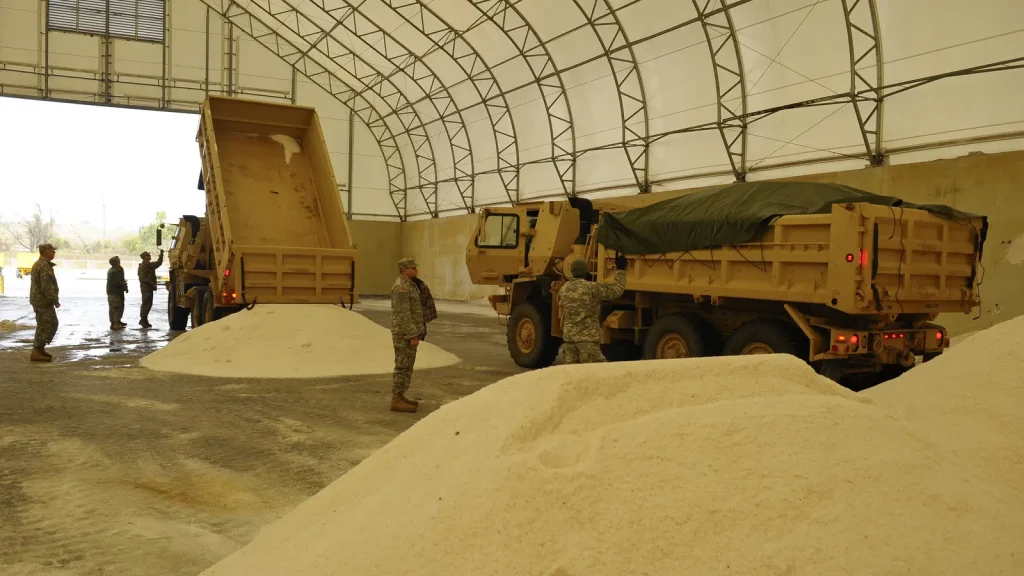
Salt melts ice by dissolving in the thin layer of liquid water that naturally exists on an ice surface. Sodium and chloride ions make…
Oct 7, 2026 • 14 min read
Ordinary clear glass is transparent to visible light because its electrons do not have readily available energy transitions that match most visible photons. Much…
Oct 7, 2026 • 13 min read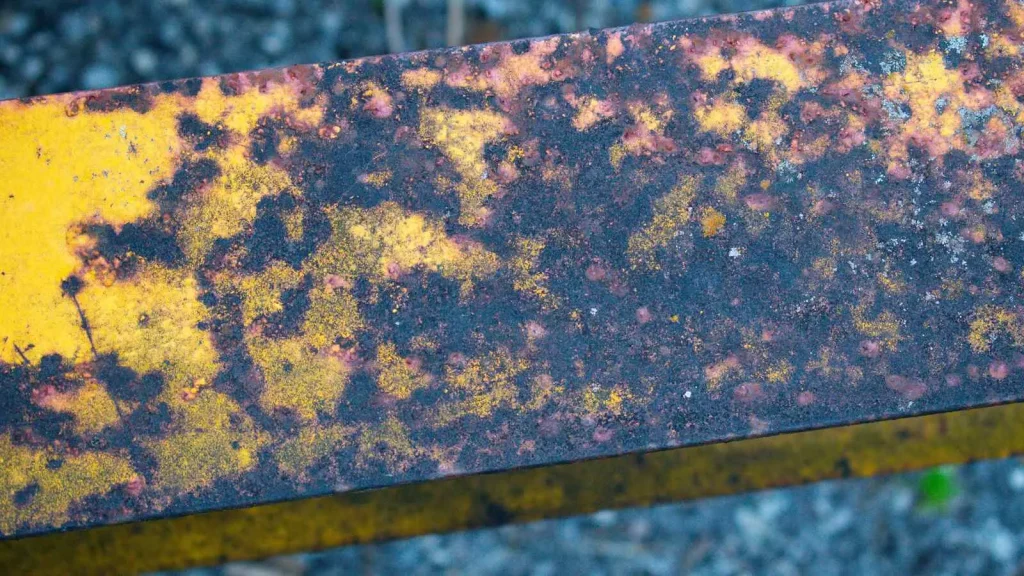
Rust is iron corrosion, driven by reactions on a wet surface. Water, oxygen, salts and protective coatings help explain why some objects deteriorate faster…
Oct 6, 2026 • 3 min read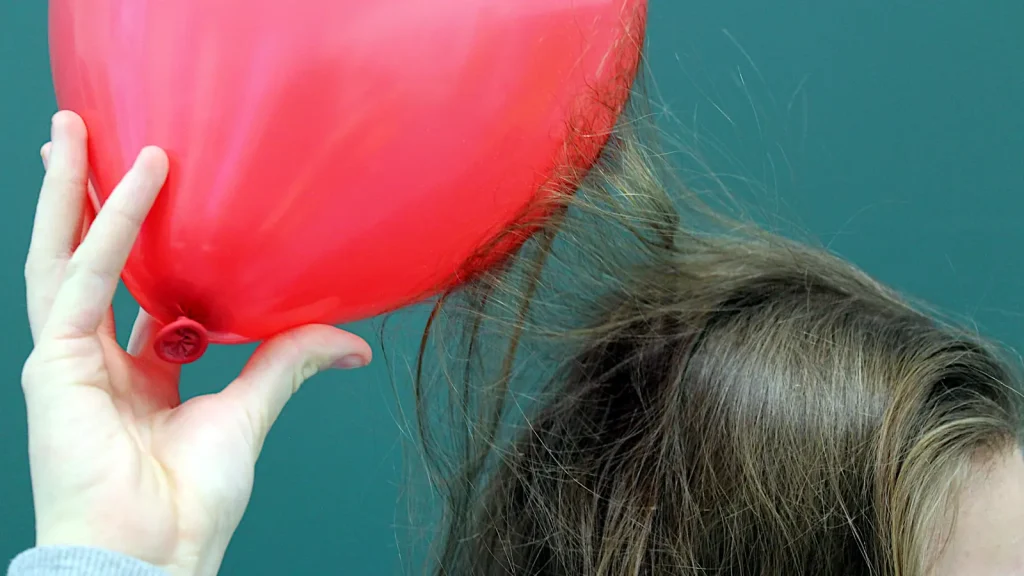
Static electricity builds when electrons are transferred or separated between materials faster than the charge can leak away. Rubbing often increases contact and separation,…
Oct 6, 2026 • 13 min read
Soap removes grease because each surfactant molecule has a water-attracting head and an oil-attracting tail. The tails associate with grease while the heads remain…
Oct 6, 2026 • 13 min read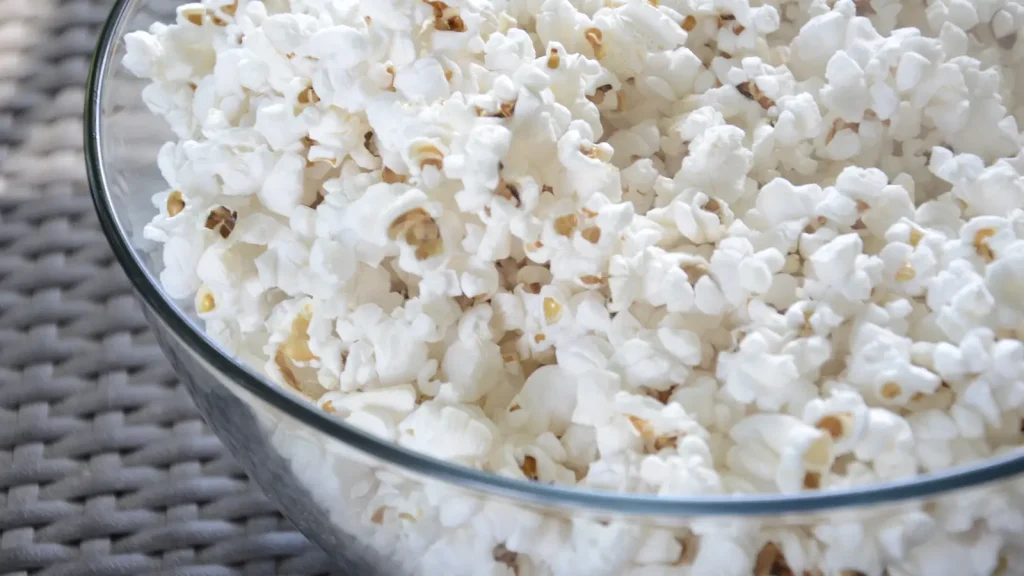
A popcorn kernel contains water and dense starch sealed inside a hard hull. Heating turns the water into pressurized vapour and softens the starch.…
Oct 6, 2026 • 12 min read
Ice floats because ordinary ice is less dense than liquid water. When water freezes, hydrogen bonds arrange its molecules into an open hexagonal crystal…
Oct 5, 2026 • 13 min read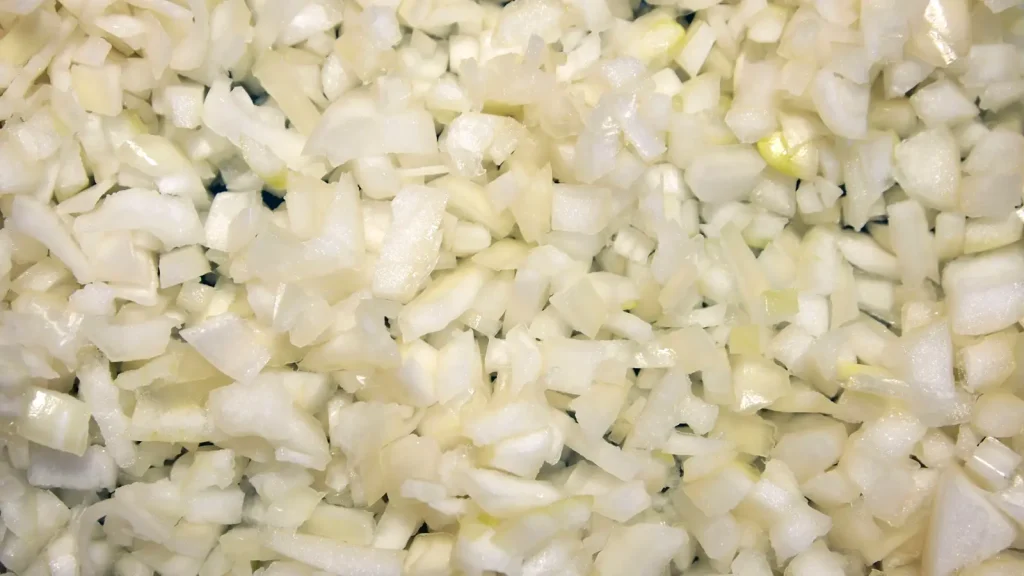
Cutting onion tissue starts an enzyme-driven reaction that releases a volatile irritant. The tear response comes from exposure at the eyes, not from the…
Oct 3, 2026 • 4 min read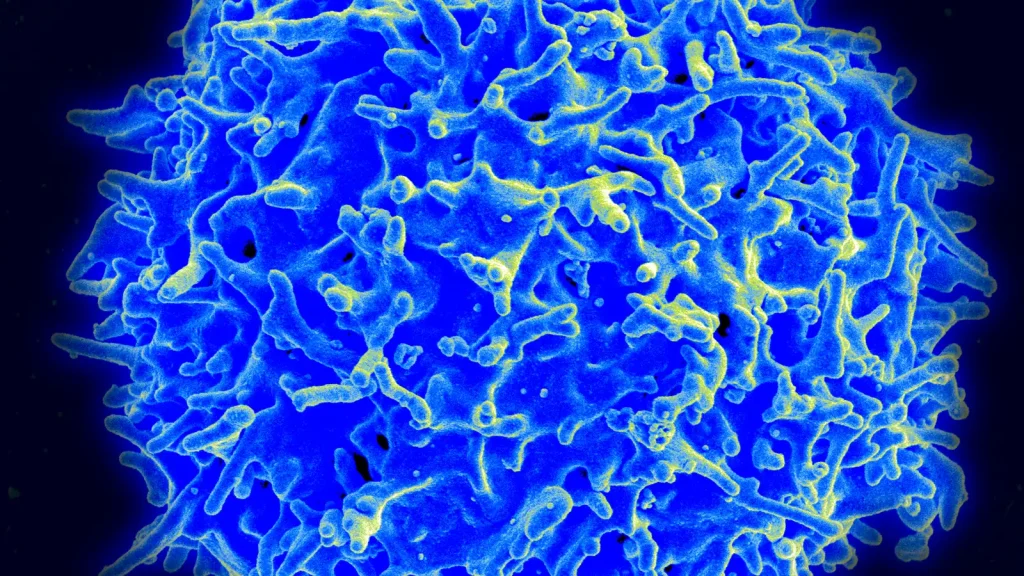
Layered recognition, cellular education and regulatory brakes let immunity respond to danger without routinely attacking the body it protects.
Sep 21, 2026 • 14 min read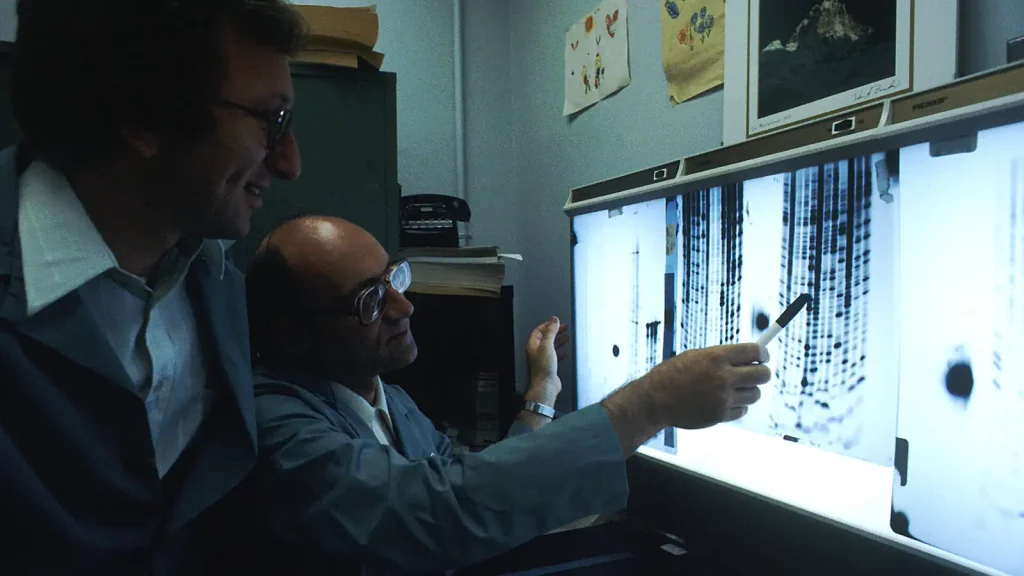
A programmable RNA guide, a DNA-recognizing protein and the cell’s own repair systems turn a bacterial defense mechanism into a genome-editing platform.
Sep 19, 2026 • 12 min read
Learn what statistical significance and p-values do—and do not—tell you about effect size, uncertainty, practical importance and scientific evidence.
Sep 12, 2026 • 6 min read
Discover how scientific consensus emerges from converging evidence, expert scrutiny and replication—and why responsible consensus can change.
Sep 12, 2026 • 6 min readOne remarkable idea at a time—nature, science, history and beyond.